
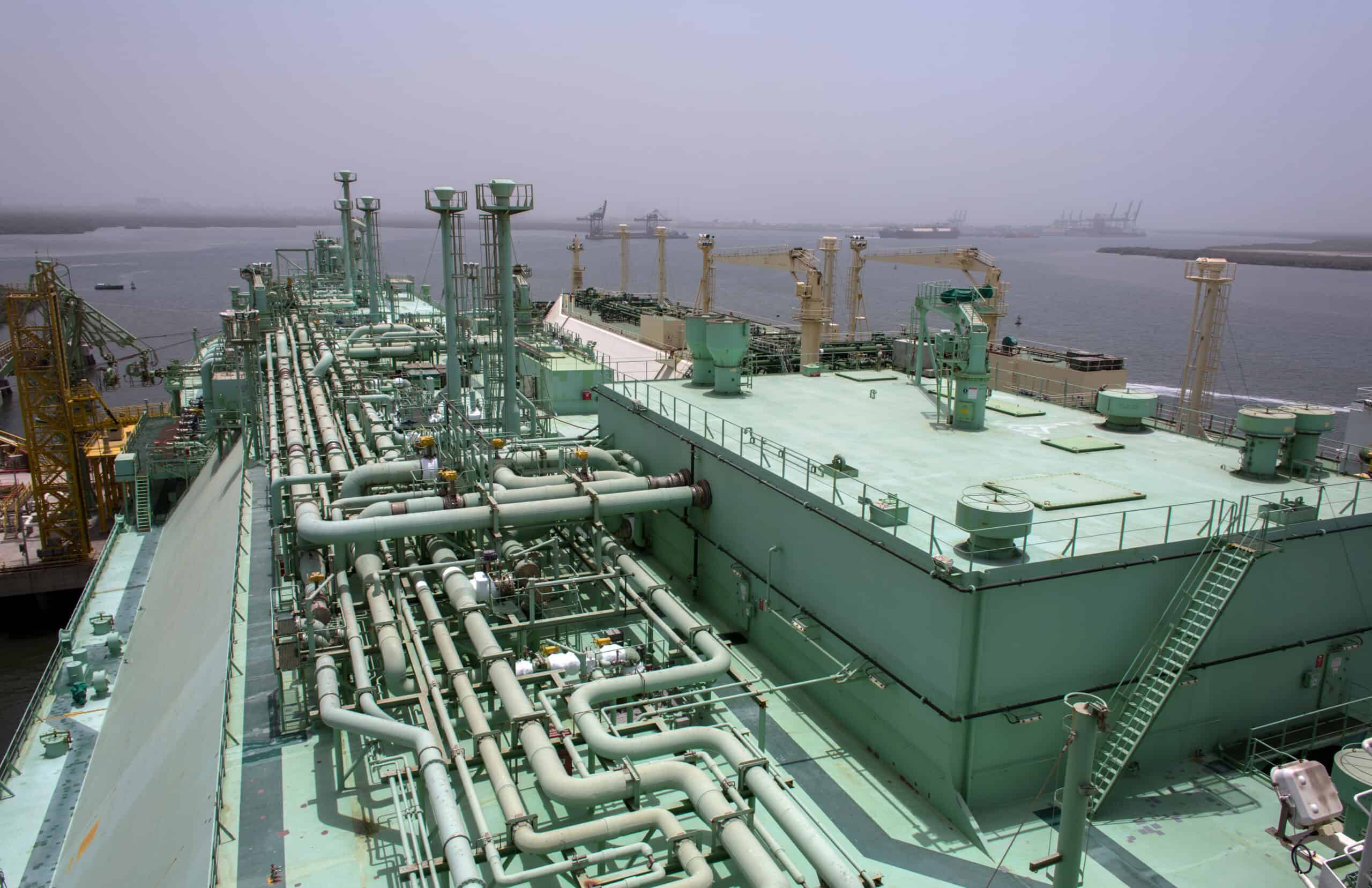
India, which sourced about 90% of its imported liquefied petroleum gas from the Middle East, faced an early physical shortage when Hormuz traffic collapsed. The government cut LPG allocations to industry to protect household supplies, encouraged some users to switch fuels and discouraged hoarding. Asian buyers later secured replacement cargoes, especially from the United States. Longer voyages from the U.S. Gulf Coast raised transport costs; by fall, the immediate shortage had eased as imports diversified and Middle Eastern supplies began to recover. State fuel retailers nevertheless incurred substantial losses by selling subsidized LPG below market prices.
Fertilizer markets showed a less complete recovery. Gulf producers supply a large share of global urea and ammonia exports, and the region is also important to sulfur, an input for phosphate fertilizer. Urea prices surged after the disruption and millions of metric tons of Gulf fertilizer exports were temporarily removed from the market. China increased urea exports, demand eased after the Northern Hemisphere application season, and nitrogen prices fell from wartime peaks. Phosphate markets remained tighter because sulfur shortages continued to constrain production.
Europe avoided the feared summer jet-fuel shortage. Local refiners increased production, while imports from the United States and West Africa, along with inventories, helped replace Middle Eastern supply. Jet fuel prices still rose considerably, adding costs for airlines and prompting reconsideration of routes that were no longer economical. Europe also had more diversified gas supplies and greater LNG import capacity than during the 2022 Russian gas crisis, but higher global prices made storage refills more expensive. Germany entered November with unusually low storage for the start of winter.
The adaptations drew on the system’s safety margin. Global oil inventories fell substantially despite major emergency-reserve releases; tankers travelled farther, transport costs rose and diesel inventories remained tight in several regions. The disruption did not cause every feared shortage, but supplies were redirected at higher cost and consumers adjusted. Inventories, spare capacity and emergency stocks helped maintain flows, while leaving less protection against another shock, such as refinery outages, hurricanes, a cold winter, a new geopolitical crisis or stronger-than-expected demand.


Comments (0)
No comments yet. Be the first!