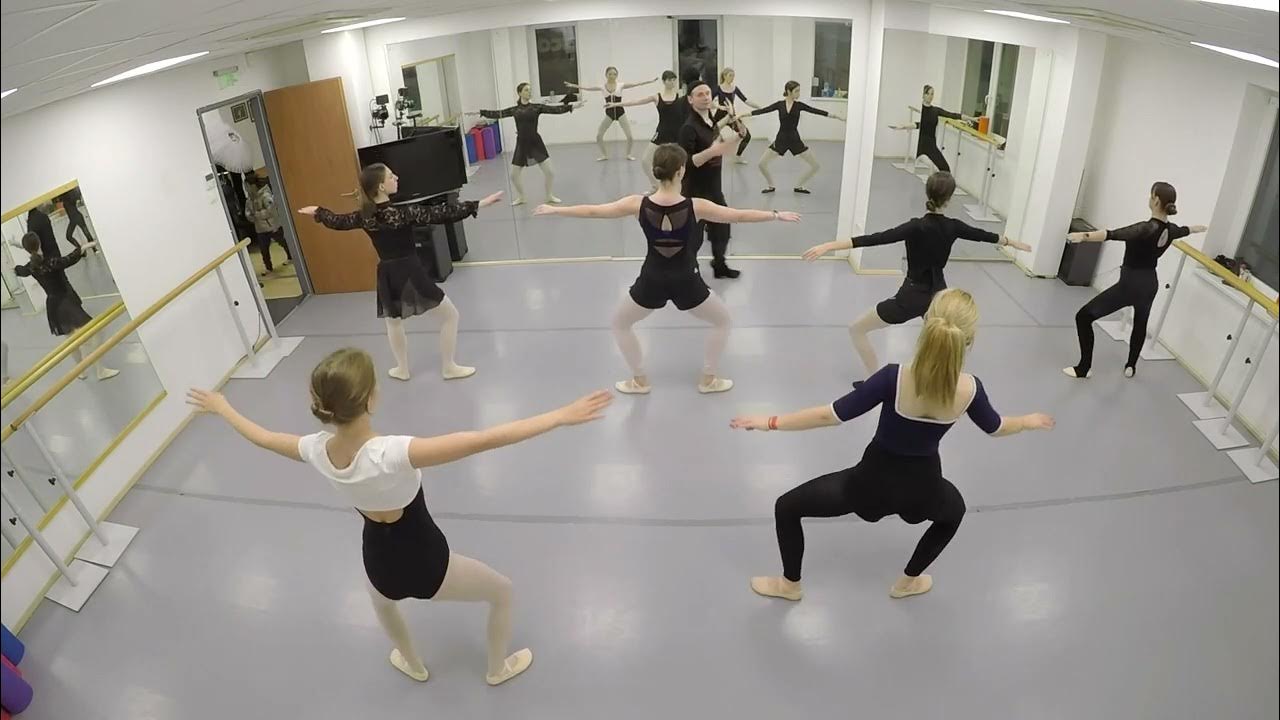
The article recommends weighing movement and music preferences alongside training goals. Students who like precise instruction may gravitate toward ballet, which builds posture, alignment, balance and controlled movement through established techniques. Jazz combines technique with energetic choreography, including turns, leaps and isolations, while tap makes rhythm and musicality central as dancers create sounds with their shoes.
Contemporary classes often explore changes in level, direction, dynamics and space, mixing technical skills with creative movement. Hip-hop centers on rhythm, coordination, grooves and choreography. Lyrical and musical theater, the article says, can place more emphasis on storytelling, interpretation and character.
A first class may feel unfamiliar, and new movements or terminology may take time to learn. The article advises beginners to give themselves time to adjust rather than expect everything to feel natural immediately. Age-appropriate placement also matters: instruction should reflect a student's physical development, attention span and prior experience, offering a challenge suited to their current abilities.
Goals differ, too. Some students seek flexibility and technical control; others want confidence performing choreography or simply an enjoyable way to move to music. Trying several styles can help students discover which movements, teaching approaches and performance experiences suit them. The article notes that dancers may later focus on one form or continue across several, and that interests can change with experience.




Comments (0)
No comments yet. Be the first!