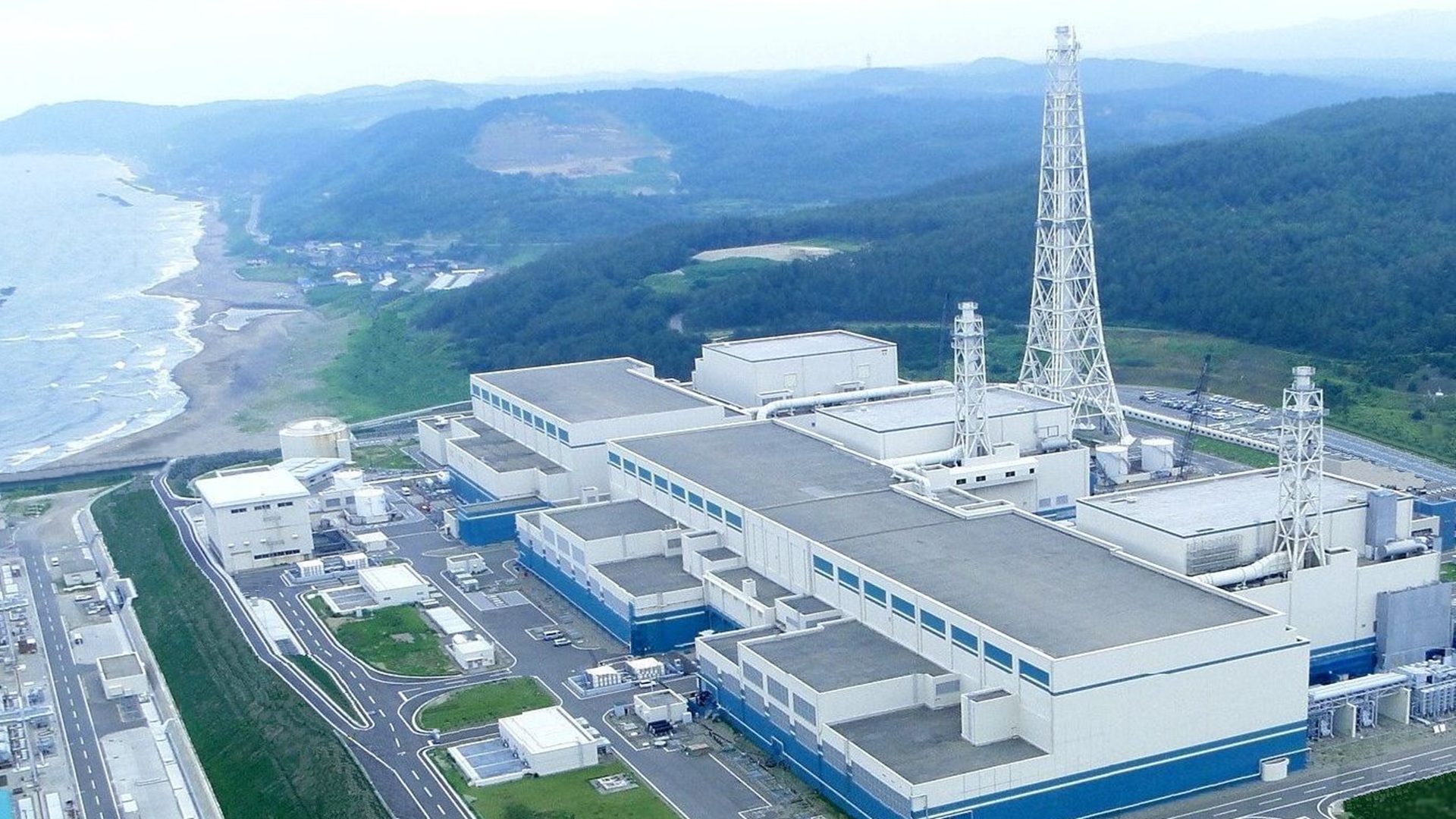
The world has 408 GW of operating nuclear capacity, with another 91 GW under construction. Rising investment in reactors comes as Asian countries focus more sharply on energy security amid Middle East tensions and higher oil and gas prices. Renewable power construction is also expanding across the region.
China has more than 43 GW of nuclear capacity under construction, followed by India with 6.6 GW, Japan with 6.1 GW and South Korea with 5.6 GW. China is adding nuclear power alongside coal, solar and wind to meet rising electricity demand and limit reliance on fossil fuel imports. India, too, continues to build coal capacity while expanding renewables and nuclear power.
India aims to raise installed nuclear capacity from 8.8 GW to 100 GW by 2047. Its government approved the Atomic Energy Bill at the end of 2025, allowing private companies to invest in the nuclear sector for the first time. The country also expects to build five small modular reactors domestically by 2033, Atomic Energy Minister Jitendra Singh said earlier this year.
Japan plans for nuclear power to supply 20% of its electricity by 2040, up from less than 10% now. Before the 2011 Fukushima disaster, reactors provided about 30% of the country’s electricity; more than a dozen have since restarted. Japan and South Korea have no plans for new coal-fired capacity, though both are expected to rely more on coal this winter while Qatari LNG supplies remain unavailable to buyers. Their nuclear and renewable additions could reduce gas demand over the longer term.


Comments (0)
No comments yet. Be the first!