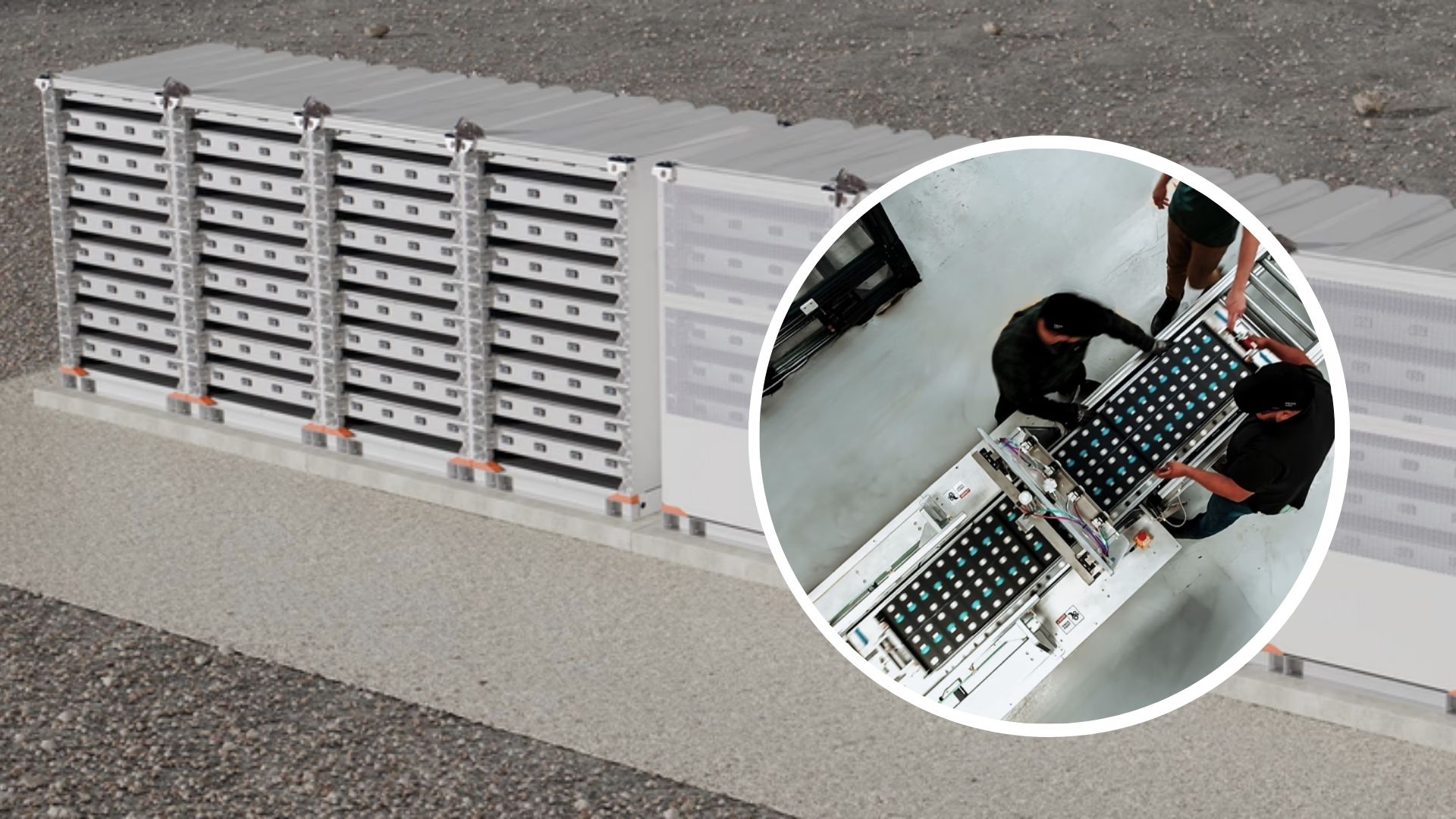
Utility-scale projects accounted for 12.2 gigawatt hours of the quarter’s additions. Residential systems added 746 megawatt hours, while commercial and industrial users installed 1.3 gigawatt hours, largely in response to demand from data centers.
Installations reached 48.3 gigawatt hours in the first nine months of the year, more than 20% above the year-earlier period. The total included a record 21.5 gigawatt hours in the second quarter. The SEIA said cumulative U.S. storage capacity has now topped 200 gigawatt hours, as grid operators, utilities and energy buyers use batteries to reduce costs and improve reliability. The two organizations forecast capacity will reach 708 gigawatt hours by 2030, 3.7% above their previous estimate.
Battery systems can store solar and wind power for periods when demand is high and generation declines, while helping grids respond to shifts in electricity use. A gigawatt-hour is enough electricity to power about 90 average U.S. homes for a year.
The SEIA estimated that solar growth and battery storage lowered average wholesale electricity prices during the peak-demand months of summer 2026 by 42% in Texas and 51% in California, compared with summer 2021, adjusted for inflation. Residential generation costs fell 4% in Texas and 10% in California over the period, but higher transmission and distribution costs lifted total household bills by 3% and 22%, respectively, the association said.
The Energy Information Administration’s latest Short Term Energy Outlook projects solar will supply 8% of U.S. electricity this year and 10% in 2027. Natural gas remains the largest generation fuel, with a 40% share. The SEIA expects power-sector generation to grow 2.7% this year from 2025, then 1.2% next year as milder summer weather curbs residential demand. Most generation growth over the forecast period is expected to come from utility-scale solar plants, the SEIA said.



Comments (0)
No comments yet. Be the first!