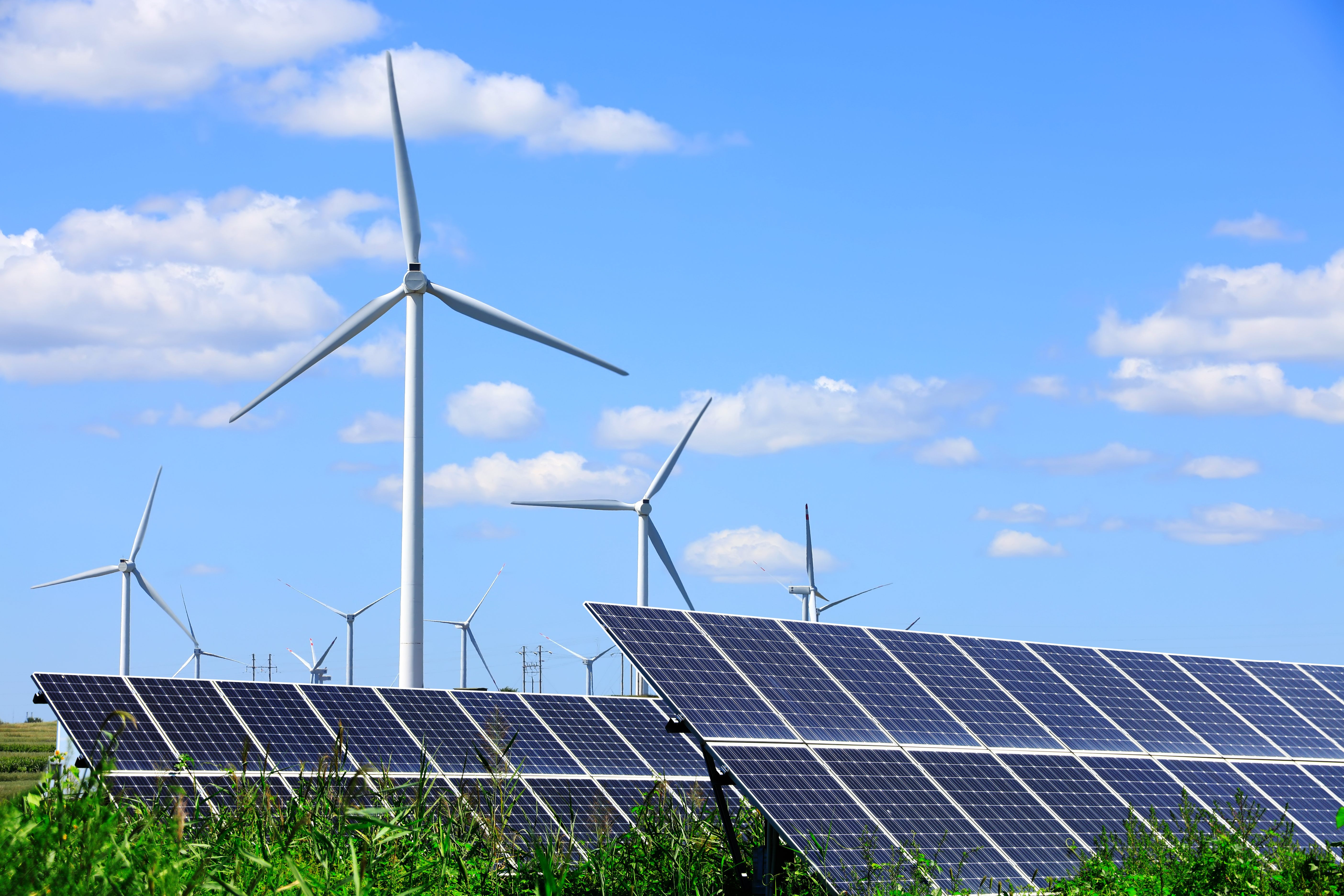
Under the agreement, member states would be able to classify new wind and solar developments as being in the overriding public interest, allowing them to move through permitting faster, Reuters reported, citing the EU Council. The deal is part of the EU’s effort to expand alternative energy and cut dependence on oil and gas imports.
The cost of oil imports climbed after the Strait of Hormuz was closed and prices rose. In the second quarter of 2026, the EU spent an average of $30.7 billion (27.6 billion euro) a month on petroleum oil imports, compared with $19.7 billion (17.7 billion euro) in the same period in 2025. Import volumes increased by just 1.2%, Euronews Business estimates, putting the additional monthly cost at $11 billion (€9.9 billion) compared with the 2025 monthly average.
The higher bill underscores the difficulty of moving away from hydrocarbons, despite regulatory changes and financial support for wind, solar and batteries. Growing renewable capacity has contributed to more frequent negative electricity prices during periods of excess generation, weakening project profitability. Battery storage remains expensive, while the European Commission estimates that grid upgrades will require 584 billion euro in investment through 2030.




Comments (0)
No comments yet. Be the first!