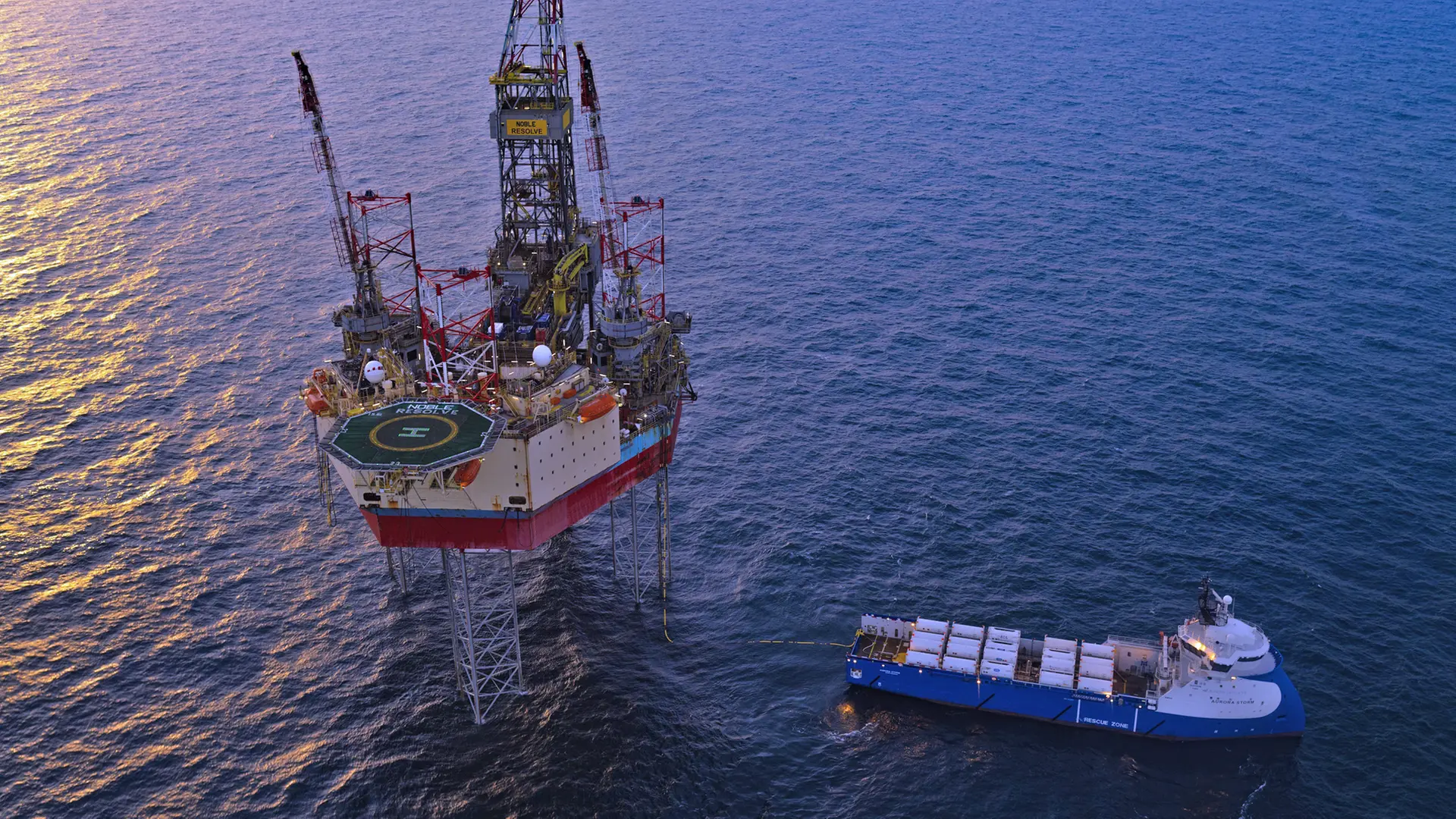
The Northern Endurance Partnership (NEP) said the system consists of six seabed landers. It is intended to establish baseline environmental and seismic conditions and help engineers check that injected carbon dioxide remains contained underground throughout the project’s lifetime, according to a report by Interesting Engineering.
Endurance is being developed by BP, Equinor and TotalEnergies as part of the East Coast Cluster. The wider initiative includes industrial carbon capture, low-carbon hydrogen production, negative-emissions power and power generation with carbon capture. The project is located offshore from a major UK industrial hub, with the cluster’s Teesside and Humber areas accounting for about 50 percent of the country’s industrial-cluster emissions.
Carbon capture remains contentious. Critics argue it can serve as greenwashing by fossil fuel companies and divert attention from phasing out fossil fuels. Jonathan Foley, executive director of climate nonprofit Project Drawdown, called carbon capture “mostly a distraction” from more effective climate solutions in an opinion piece for Scientific American.
Despite such criticism, the article says carbon capture projects continue to receive support from energy companies and policymakers. Interest has also grown amid concerns about emissions from artificial intelligence and expanding data centers. At the COP30 climate conference in Türkiye, a Carbon Herald report said leaders from Baker Hughes and SINTEF urged hyperscalers to include carbon capture, utilization and storage (CCUS) in facility designs and locate projects near shared transport and storage hubs.
The Endurance project also aligns with the European Union’s Net-Zero Industry Act, which legally obligates major oil companies to invest in carbon capture technologies.




Comments (0)
No comments yet. Be the first!