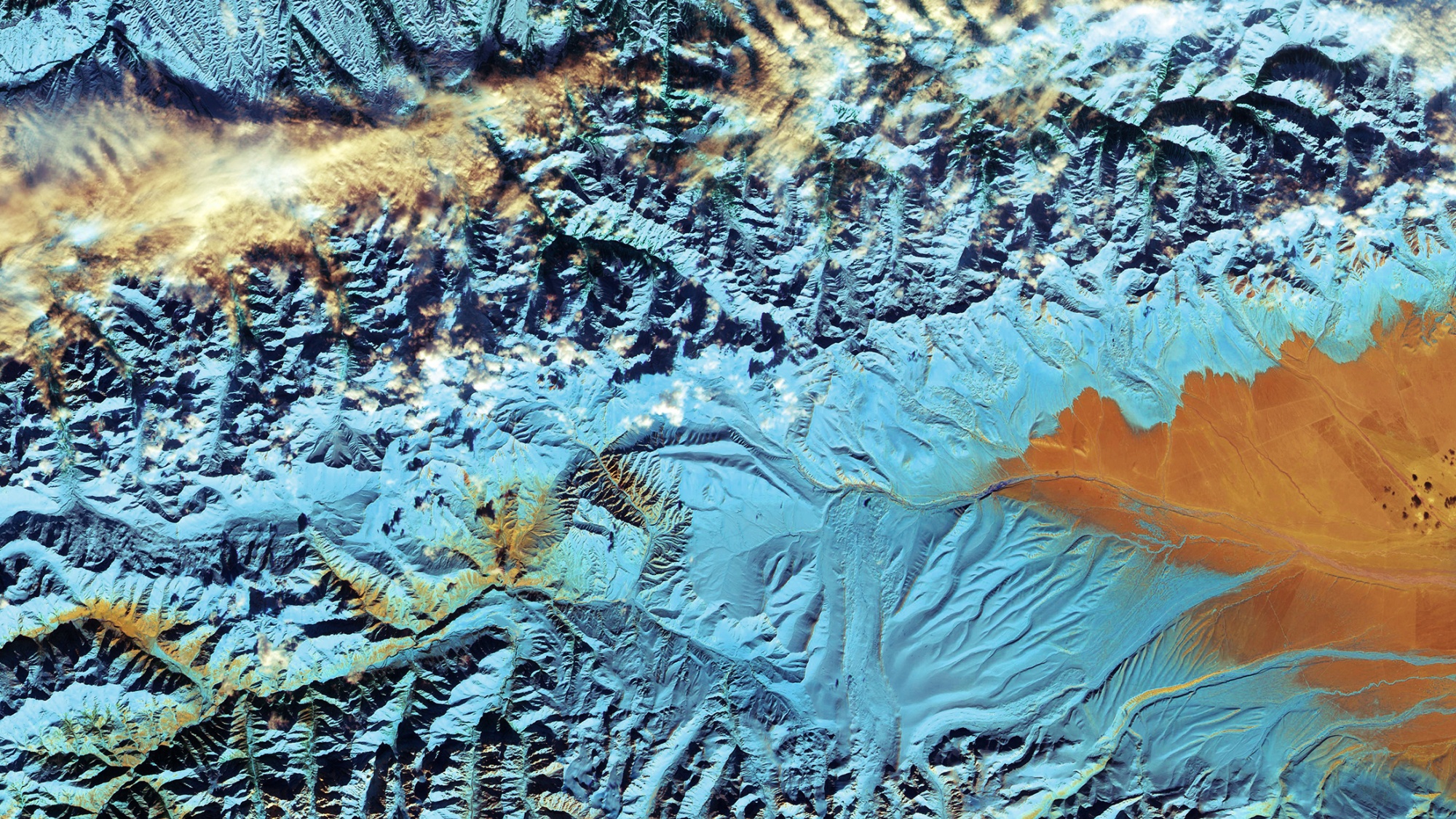
The report, titled Glaciers to Farms Climate Risk and Capacity Assessment, examined glaciers and water use in the Naryn and Pyanj river basins in Central Asia and the Kura basin in the Caucasus. Using historical data, the ADB produced basin-specific projections covering glaciers, snow and permafrost to assess potential climate impacts.
Under a high-emissions scenario, models project accelerated glacier loss and the near-total disappearance of small Caucasus glaciers by 2100. The assessment also points to permafrost degradation, changing river flows and reduced long-term natural water storage.
Rising temperatures and glacier melt are expected to increase the risks of drought, landslides and glacial lake outburst floods. The report says current capacity to monitor these hazards is limited. Although some areas may receive more winter precipitation, overall water availability is projected to fall as glacier-fed runoff declines.
The ADB warns that less reliable glacier-fed rivers could undermine water security, hydropower and agricultural productivity, while increasing the risk of flood damage to infrastructure. Its recommendations include stronger monitoring and early-warning systems, improved water management, climate-resilient crops and more efficient farming practices.




Comments (0)
No comments yet. Be the first!