The EDF analysis found that 70 coal plants also received exemptions from Clean Air Act limits on toxic pollution. The group described the measures as “cash handouts, free passes to pollute, and requirements to stay online past their retirement dates.” Surbhi Sarang, EDF’s director and senior attorney, said the policies increase electricity costs and pollution, meaning Americans are “getting hit twice.”
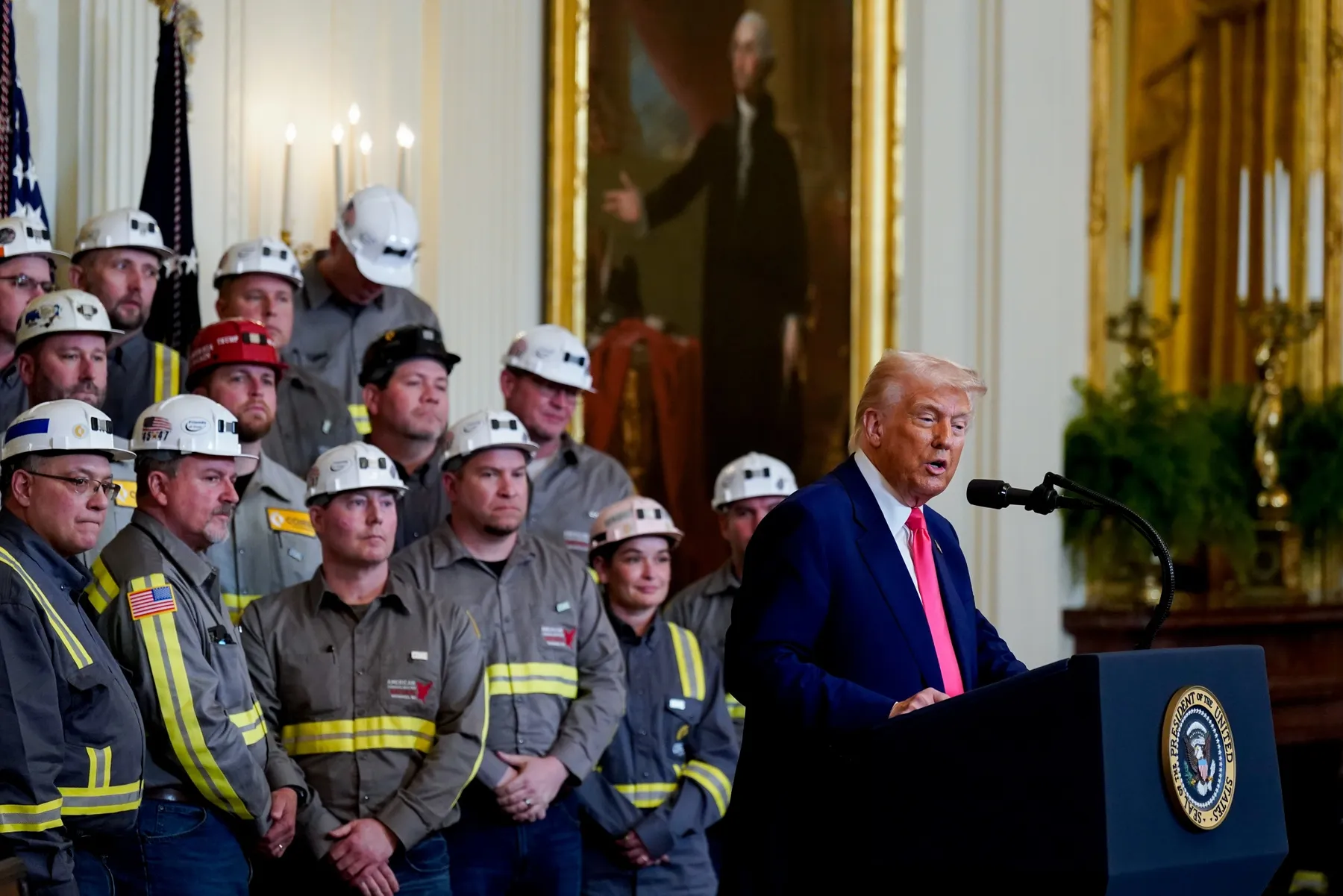
The administration has issued executive orders to support coal and used federal funds and regulatory measures to keep plants running beyond planned retirement dates. In September 2025, after passage of the One Big Beautiful Bill Act, the Interior Department announced that 13.1 million acres of federal land would be opened for coal leasing. Interior Secretary Doug Burgum said the policy would reduce coal royalties, make more land available for leasing and unlock critical minerals from mine waste.
The support has drawn criticism from environmentalists and some coal plant operators. Climate activists say extending plants’ lives conflicts with decarbonisation goals, while operators have argued that running ageing facilities can be uneconomical as natural gas and renewable energy become cheaper. The average U.S. coal plant is 44 years old, and many need upgrades to operate effectively.
The EPA’s Mercury and Air Toxics Standards, effective since 2015, helped cut mercury emissions from coal- and oil-fired power plants by more than 90 per cent by 2026. The agency strengthened the standards in 2024, but coal firms were allowed to seek exemptions, arguing compliance upgrades would cost too much. Rice University professor Daniel Cohan said exemptions from the stricter rules let plants stay open longer, although pollution controls could prompt some facilities to retire and be replaced by cheaper, cleaner sources.
The U.S. Energy Information Administration said power-sector carbon emissions rose 4 per cent in 2025, largely because of higher electricity demand and a larger coal share than in 2024. Coal-fired generation increased 13 per cent, adding 78 million metric tonnes to coal-related CO2 emissions. Sarang said continued public support for the plants, alongside pollution from their operation, would impose costs on communities.


Comments (0)
No comments yet. Be the first!