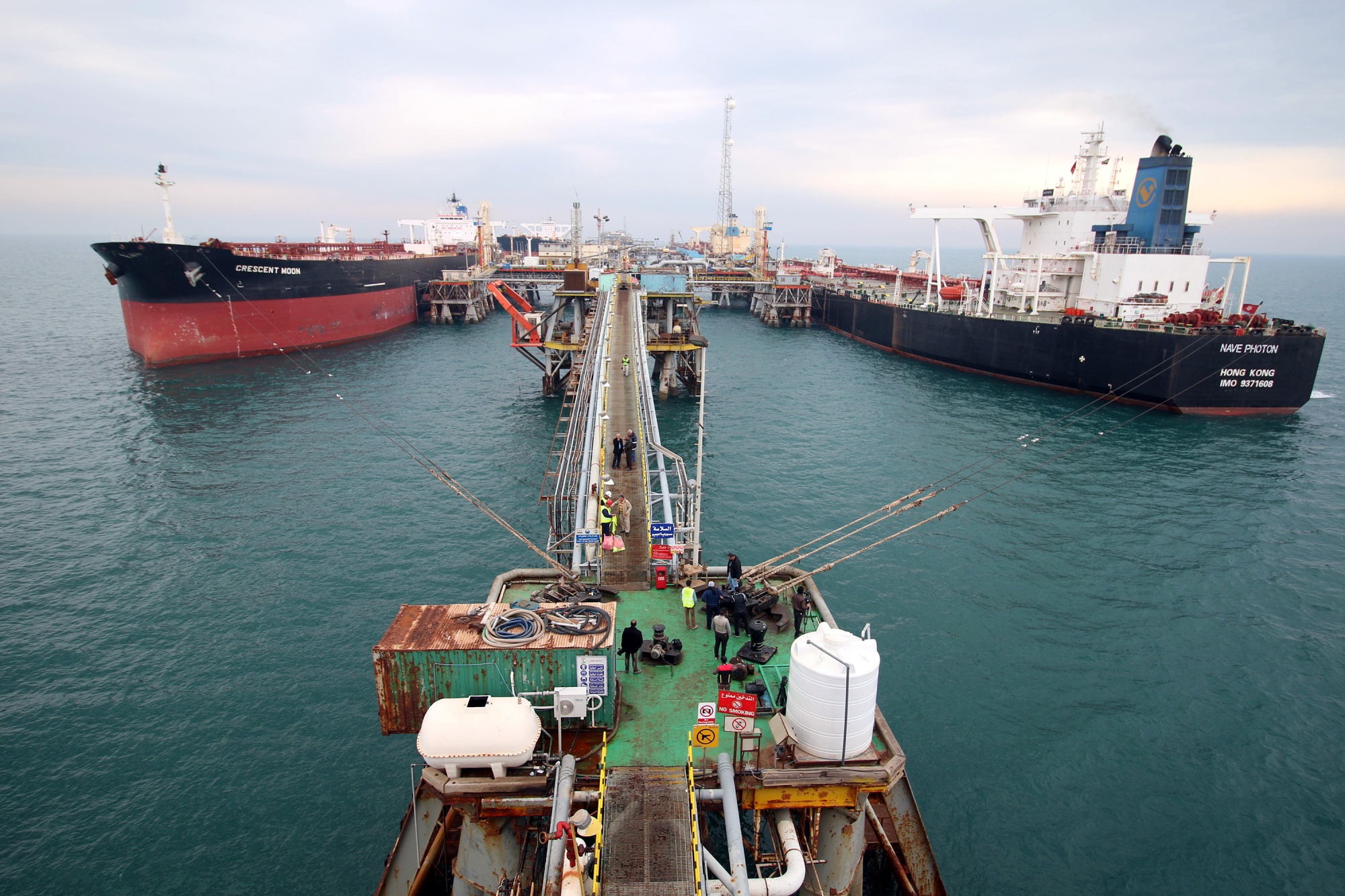
The reason for the delay has not been established. One possible explanation is rising risk for vessels moving through the Strait of Hormuz, Iraq’s only maritime route from the Persian Gulf to the open ocean. That possibility has not been confirmed by officials. Recent reports have described tankers hitting mines in the strait after failing to follow a corridor approved by Iran.
A sudden fall in demand is another possible explanation, but the Bloomberg report offered no support for that scenario: buyers were reportedly looking for prompt alternatives to Iraqi crude from elsewhere in the Middle East, rather than from other regions.
Iraq has been particularly affected by the U.S. and Israeli war with Iran. The country exports almost all its oil through Hormuz, and when Iran shut down traffic, Iraq soon had to cut production because it lacked ample storage capacity. Production and exports have since rebounded, reportedly supported by deals with Iran and ship-to-ship transfers in the Gulf of Oman, outside the strait.
Iraq’s average daily production reached 4.6 million barrels in October, the highest level since 2019 and 540,000 barrels a day above September, according to the latest figures.



Comments (0)
No comments yet. Be the first!