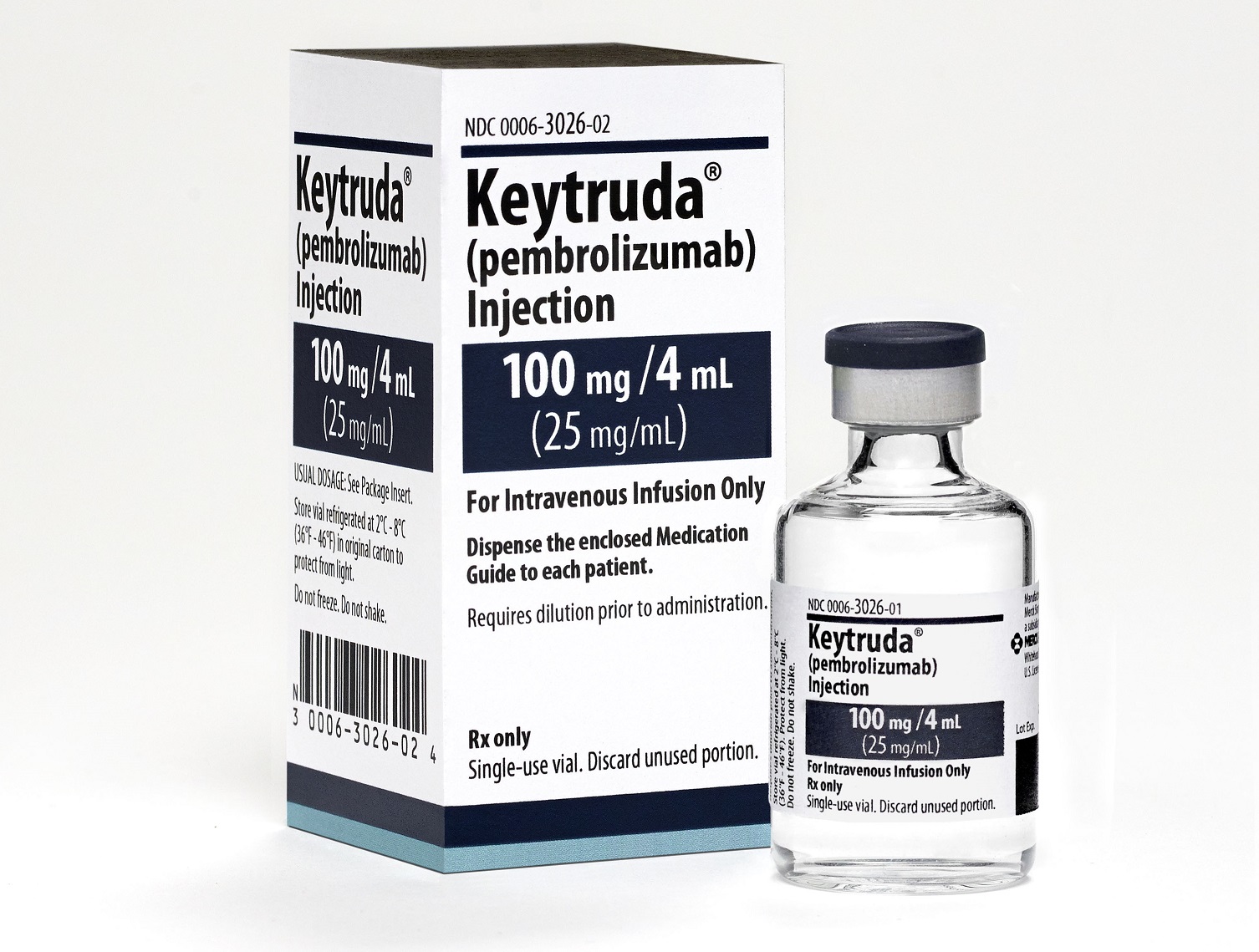
The new formulation, known as Keytruda SC, utilizes the same active ingredient, pembrolizumab, found in the standard anti-PD-1 therapy. By moving from an intravenous drip to a subcutaneous injection, the treatment significantly reduces the time patients spend in clinical settings, potentially easing the burden on the Canadian healthcare system.
Clinical Equivalence and Access
The regulator's decision rests on results from the pivotal 3475A-D77 trial. According to the study, the subcutaneous version achieved comparable drug levels and therapeutic effectiveness to the IV version when administered alongside chemotherapy. The trial specifically focused on patients with certain types of lung cancer, confirming that the delivery method did not compromise the drug’s performance.
While the federal approval allows Merck to market the drug nationwide, the actual availability for patients will hinge on regional healthcare policies. The company noted that the rollout will depend on individual provincial and territorial reimbursement decisions, which determine how the treatment is funded within Canada's public health framework.



Comments (0)
No comments yet. Be the first!