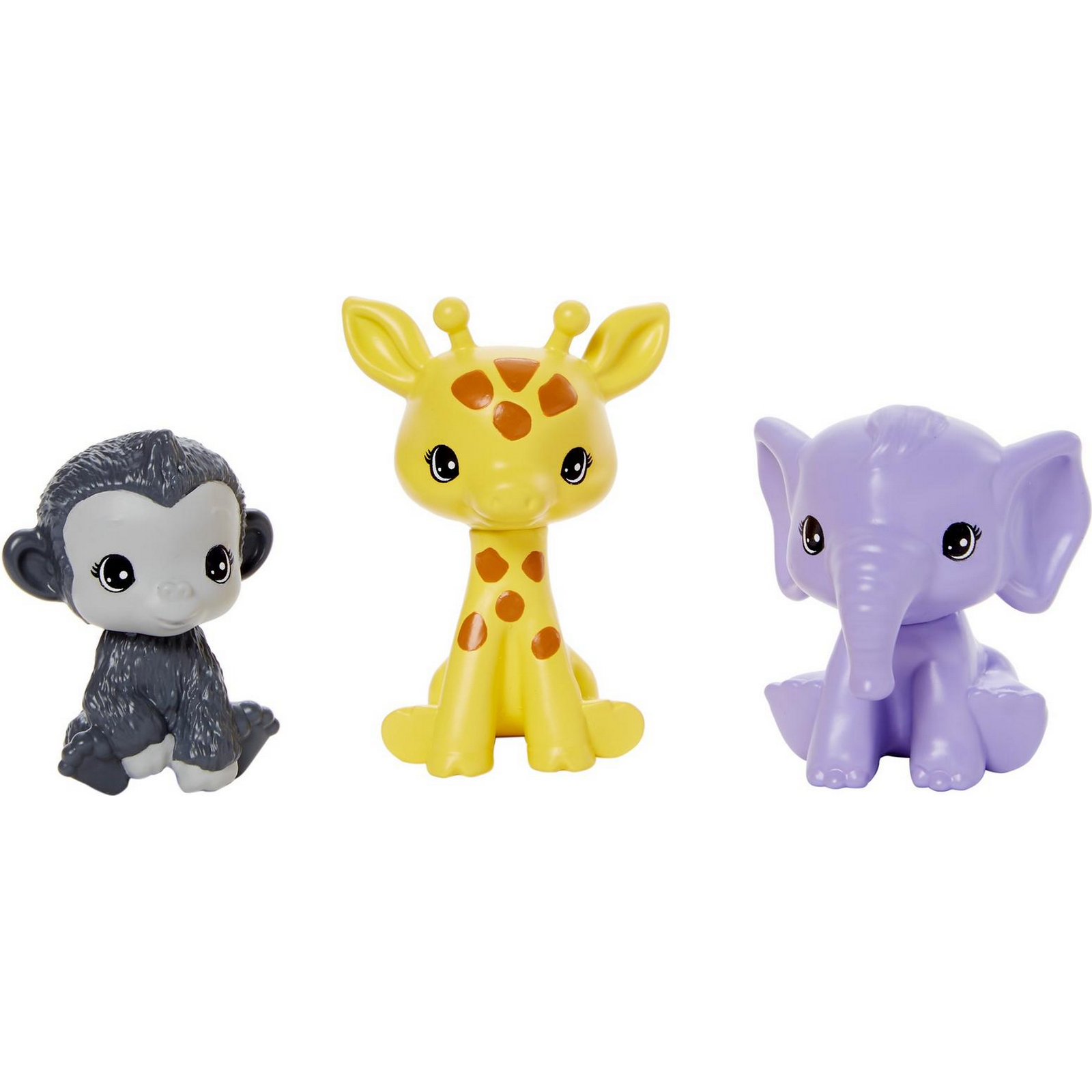
Following the decision, Mattel shares climbed 2.9% to $17.92, while Hasbro saw a 1.6% uptick to $102.68. The gains mark a shift for a sector recently burdened by an effective tariff rate of 25% on goods that previously entered the U.S. duty-free. Industry executives previously warned that these levies, which also impacted manufacturing hubs in Malaysia and Vietnam, were eroding profit margins and forcing widespread workforce reductions.
Strategic Shifts Beyond China
To mitigate the impact of trade volatility, toy giants have been aggressively diversifying their production footprints. Mattel, the maker of Barbie and Hot Wheels, is working toward a goal where no single nation accounts for more than a quarter of its total production by 2027. Similarly, Hasbro has scaled back its Chinese operations to approximately 40% of its total manufacturing, shifting significant capacity to newer facilities in Vietnam to hedge against future geopolitical friction.Despite the newfound legal relief, the industry has undergone a permanent transformation. Greg Ahearn, CEO of the Toy Association, noted that while the transition was painful, the sector has successfully built business models more resilient to trade disruptions. This restructuring, combined with strategic price hikes implemented over the summer, has positioned major players to maintain stability as they head toward 2026.


Comments (0)
No comments yet. Be the first!