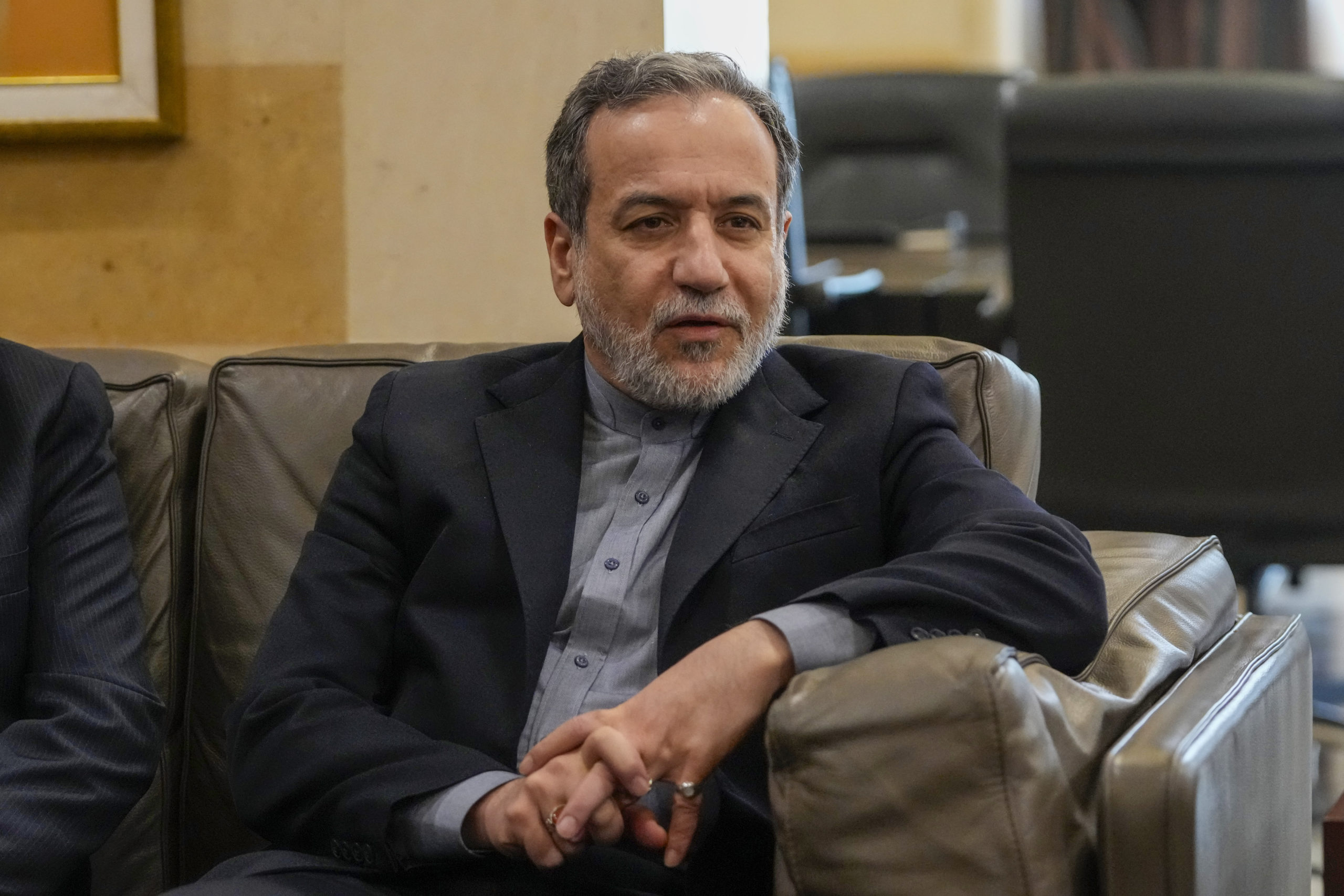
Foreign Minister Abbas Araghchi confirmed the impasse via the Tasnim news agency, effectively dampening market optimism that had briefly pushed Brent Crude prices below $100 per barrel. While the U.S. and Iran have been exchanging framework proposals for weeks, the underlying positions remain fundamentally misaligned. The prospect of an immediate resolution—or a meaningful reopening of the Strait of Hormuz—appears distant, particularly as regional tensions escalate.
Simultaneously, a U.S.-brokered ceasefire between Israel and Lebanon is showing immediate signs of strain. Although the announcement triggered a 1.5% drop in oil prices on Thursday, reports from the region indicate that hostilities persist. Israeli strikes continued in southern Lebanon, resulting in casualties and casting doubt on the agreement's stability. The deal is explicitly contingent upon Hezbollah ceasing all fire and withdrawing from the South Litani Sector, a condition that remains unfulfilled. With Iran recently targeting infrastructure in Kuwait and Bahrain, the broader regional conflict continues to pose a significant risk to global energy stability.




Comments (0)
No comments yet. Be the first!