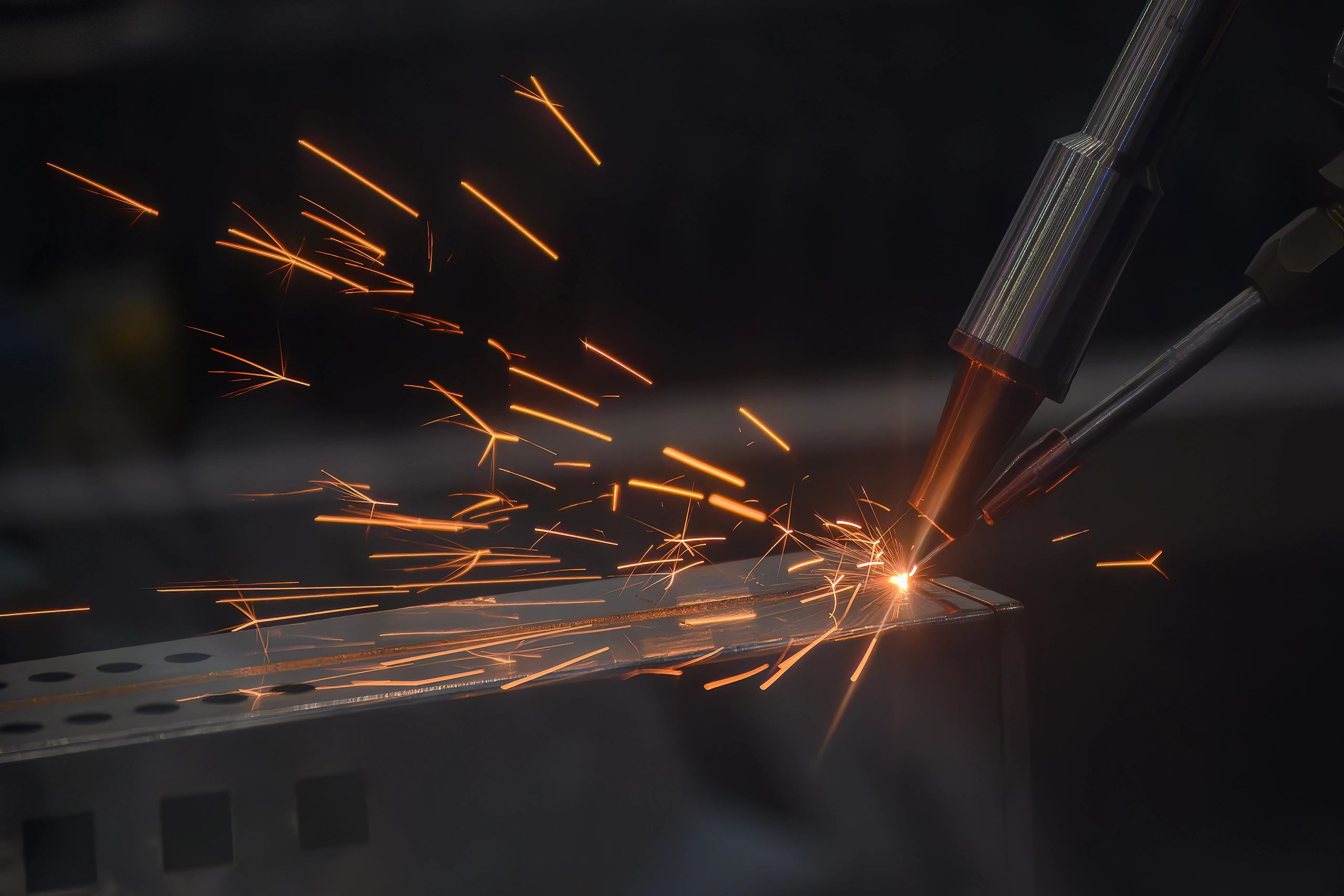
The transition to electric mobility serves as the primary catalyst for this growth. As manufacturers establish gigafactories across China, Europe, and North America, the need for high-precision joining of battery tabs, cooling systems, and busbars has become a critical bottleneck. Laser technology offers the necessary consistency and minimal thermal distortion required for lithium-ion battery safety, positioning it ahead of traditional welding methods. Industry leaders such as TRUMPF are already responding by integrating artificial intelligence and real-time monitoring into their systems to ensure quality control at high throughputs.
Technological dominance is currently held by fiber laser systems, which account for nearly half of the market share due to their energy efficiency and compatibility with robotic assembly. Beyond the automotive sector, semiconductor fabrication and electronics miniaturization are further driving demand for specialized laser solutions. Asia Pacific remains the dominant regional player, controlling over 49% of the market, as massive investments in smart factory infrastructure and local manufacturing initiatives continue to reshape global production standards.


Comments (0)
No comments yet. Be the first!