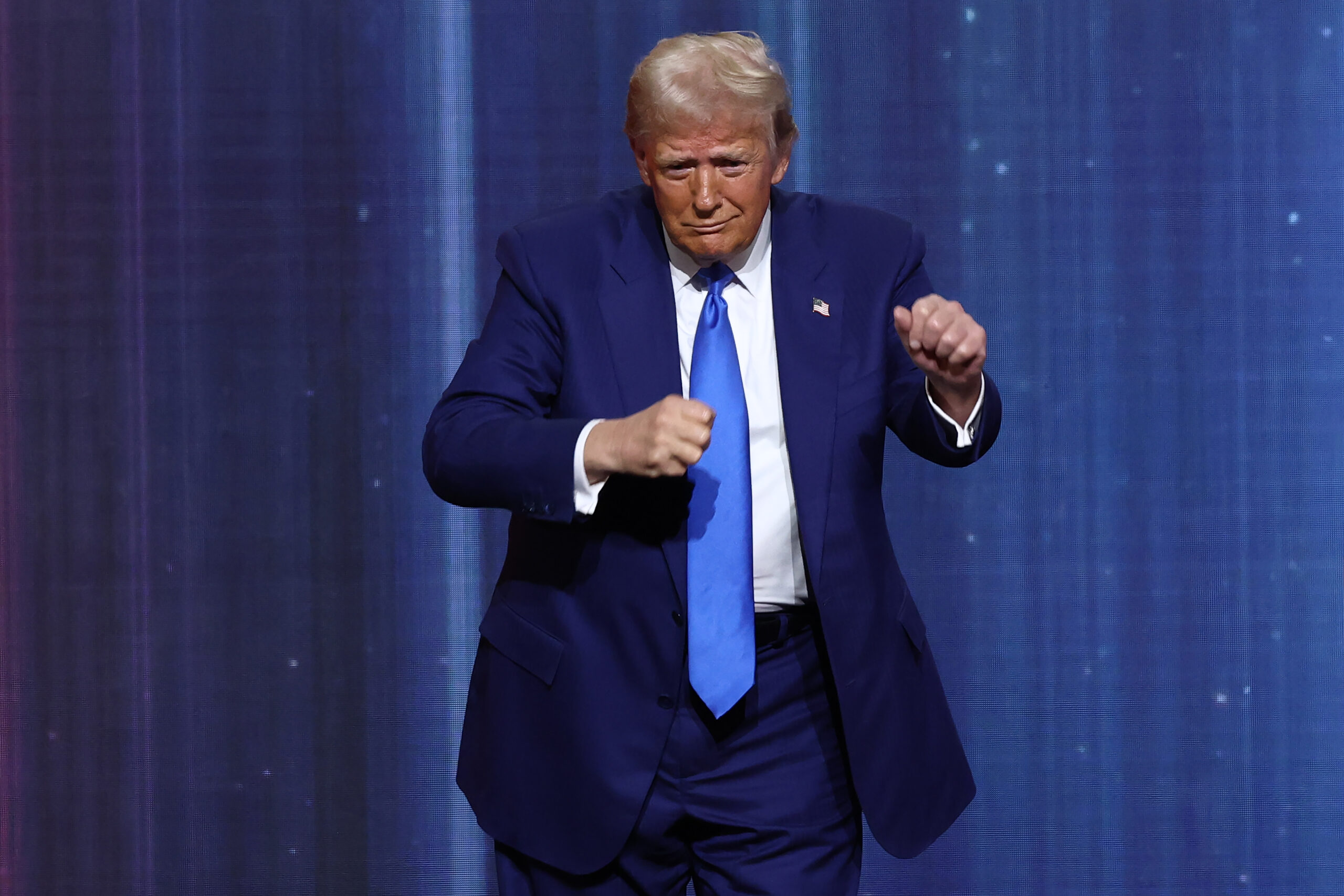
President Donald Trump, Vice President JD Vance, and Iranian negotiator Mohammad Baqer Qalibaf finalized the memorandum on June 15, with a formal signing ceremony scheduled for June 19 in Geneva. The agreement mandates a 60-day window for negotiations on a permanent settlement, specifically addressing Iran's nuclear enrichment program and the lifting of economic sanctions. Officials in Washington stated that the waterway, a vital artery for global oil supplies, will return to full capacity by mid-week, projecting a rise from 25 daily transits to nearly 50.
Despite the breakthrough, significant friction remains regarding the implementation of the deal. While Washington maintains that passage through the strait must be toll-free, Iranian officials, including Foreign Ministry spokesman Esmail Baqaei, signaled intent to collect fees for navigation and environmental services. Furthermore, reports from state-aligned agencies in Tehran suggesting the release of $25 billion in frozen assets were flatly denied by the White House, which insisted that sanctions relief remains strictly tied to verifiable nuclear milestones. Meanwhile, the region watches for the broader impact of the deal, as Pakistani mediators suggest it may also facilitate a cessation of hostilities in Lebanon, even as the administration warns that Israel retains the right to defend itself against ongoing threats.




Comments (0)
No comments yet. Be the first!