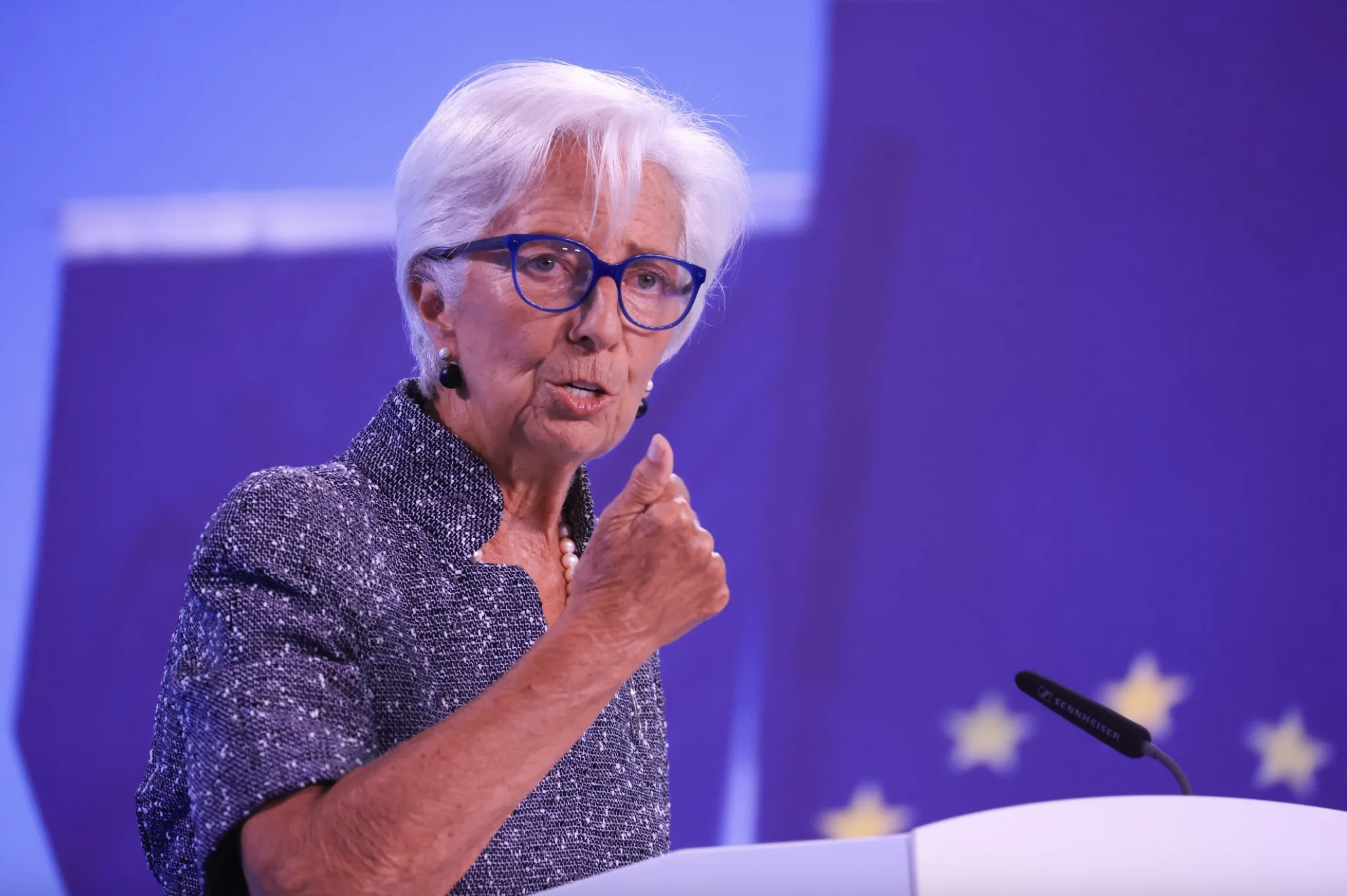
ECB President Christine Lagarde confirmed on Thursday that policymakers have yet to observe significant second-round effects tied to labor costs. While the bank maintains a close watch, current indicators suggest the energy shock lacks the breadth to force sustained upward pressure on overall inflation. Analysts note that weaker consumer demand and the specific nature of the current energy spike are helping to contain wage demands.
Economists at the bank anticipate a broader measure of wage growth will decelerate to 3.2% this year, down from 3.9% in 2025, with rates expected to plateau through 2026. This trend implies that inflation will likely outpace salary increases in the coming months, potentially eroding real wages and dampening consumer spending. Although the ECB recently implemented its first interest rate hike in nearly three years, officials remain concerned that persistent energy costs could eventually motivate workers to seek higher pay, complicating the path back to the bank’s 2% inflation target.



Comments (0)
No comments yet. Be the first!