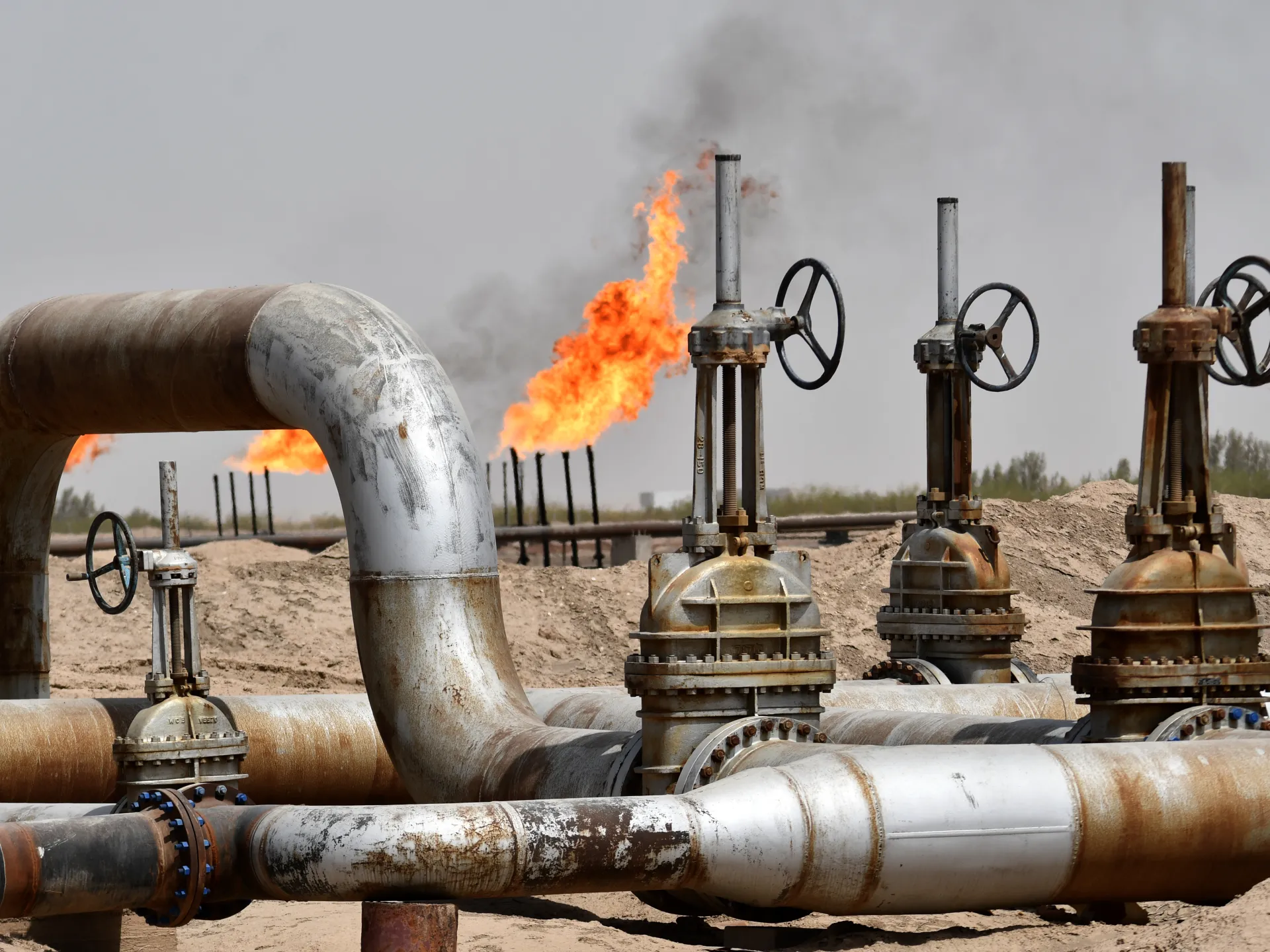
The decision follows the recent disruption of the Strait of Hormuz, which halted the flow of roughly 3.4 million barrels of oil per day for the OPEC producer. Faced with overflowing storage tanks and the sudden realization that southern Gulf terminals represent a critical vulnerability, Baghdad is diversifying its transit options. Initial crude exports via the Syrian port are slated to commence in July at 50,000 barrels per day, while fuel oil shipments are already reaching European and African markets via truck.
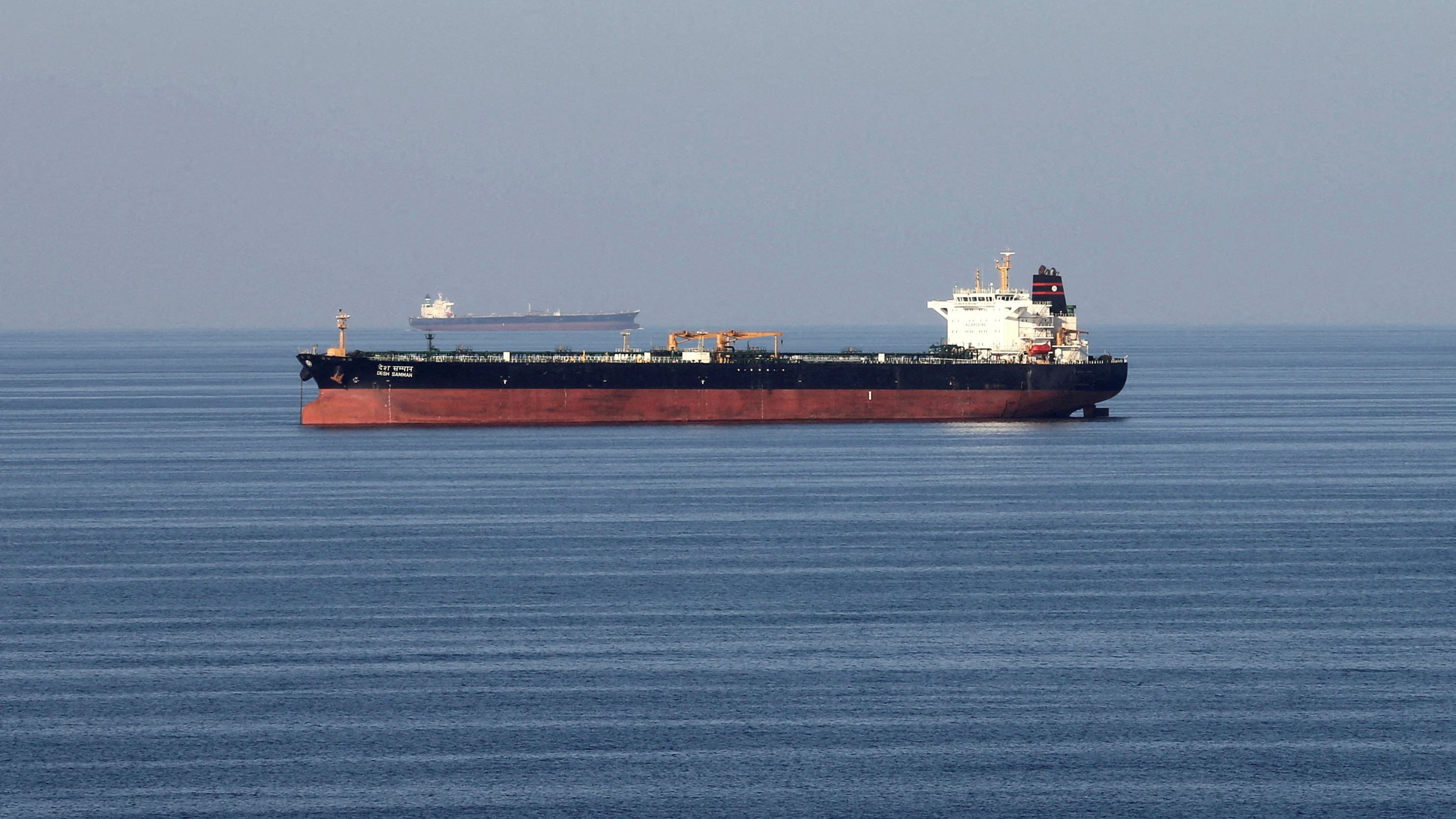
Syria is currently upgrading its infrastructure at Baniyas to accommodate the increased volume, mirroring a regional movement toward energy redundancy. Saudi Arabia is reinforcing its East-West pipeline, and the UAE is actively expanding export capacity outside the Strait. This collective push reflects a broader loss of confidence in the Strait of Hormuz as a secure transit point, particularly as tanker operators remain cautious despite the recent reopening of the lane. With US-Iran negotiations stalling and the IRGC issuing fresh warnings to vessels, energy producers in the region are prioritizing infrastructure over the assumption of maritime stability.



Comments (0)
No comments yet. Be the first!