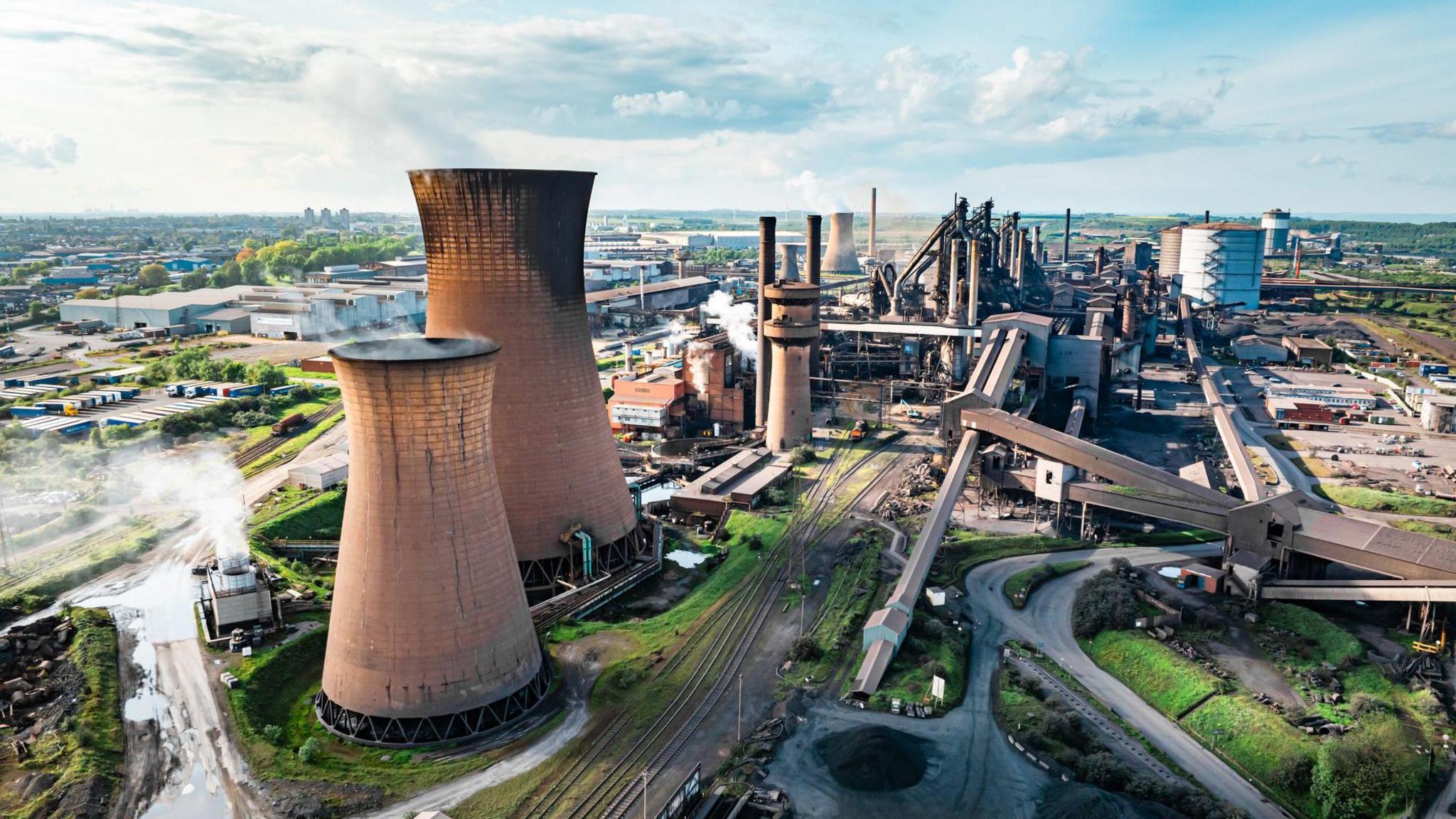
The crisis is rooted in a structural pricing disadvantage. According to Make UK and the Trades Union Congress, industrial electricity rates in the UK reach 27 pence per kilowatt-hour, nearly double the 16p average seen in other developed nations. This discrepancy has forced 25% of surveyed firms to shift production lines to Europe or Asia, while 38% have frozen investment plans entirely. Energy-intensive sectors, including steel, chemicals, and glass manufacturing, remain the most exposed to these costs.
Market mechanics exacerbate the burden. Because the UK relies heavily on natural gas for peak power, the nation’s marginal pricing system often leaves manufacturers paying the highest possible wholesale rates. Simultaneously, businesses are shouldering the costs of a £29 billion grid overhaul through non-commodity charges, which now account for roughly half of industrial energy bills. These levies, including the Renewables Obligation and Capacity Market charges, have created a compounding financial strain that renders domestic output uncompetitive.
In response, the government plans to launch the British Industrial Competitiveness Scheme in 2027 to provide levy exemptions for 10,000 qualifying firms. While this initiative aims to slash electricity costs by up to 25% and expands existing grid compensation, industry analysts remain skeptical. Current support schemes struggle to close the massive price gap between the UK and international rivals. For many, the relief arrives as a stopgap rather than a solution, leaving the future of British industrial capacity tied to the ability to stabilize energy costs in a volatile global market.




Comments (0)
No comments yet. Be the first!