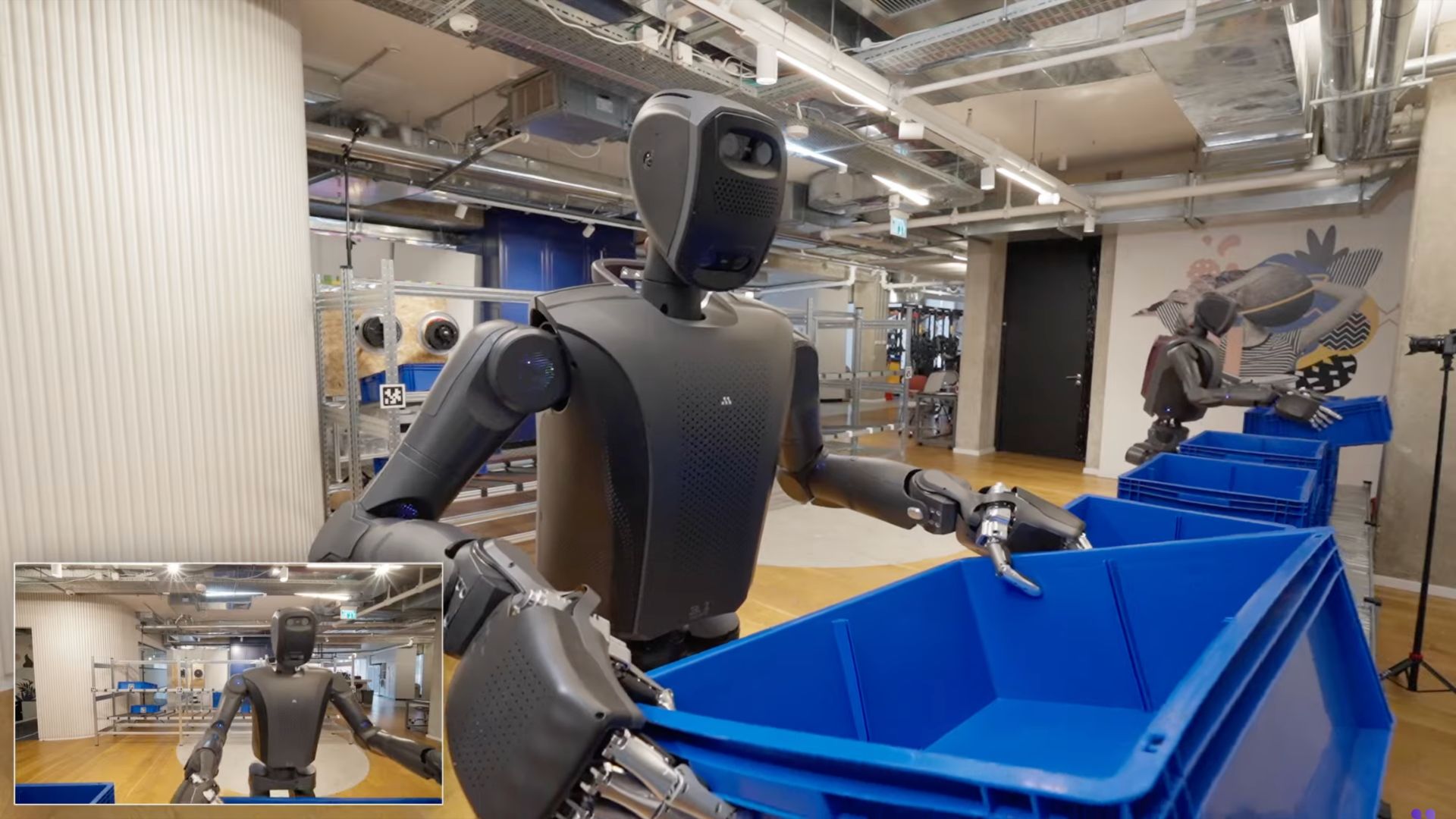
The initiative marks a strategic shift for the chipmaker, applying the safety frameworks originally developed for autonomous vehicles to the broader robotics market. By integrating AI compute, system software, and inspection tools into a unified architecture, the company hopes to provide a reliable backbone for businesses scaling their automation efforts. Deepu Talla, Nvidia’s vice president of robotics and edge AI, noted that teams require this consistency to safely deploy systems into environments shared with human workers.
Agility, a developer of humanoid robots, has become the first partner to adopt the technology. Its machines, currently utilized by major players such as Amazon, GXO, Schaeffler, and Toyota Motor Manufacturing Canada, will serve as the primary proving ground for the system. Developers can currently access the Halos Core for the IGX platform through early-access programs for Linux and QNX OS, while an open-source safety blueprint is available on GitHub.
Beyond robotics, Nvidia confirmed a significant expansion of its high-performance computing footprint in Europe. The company is currently involved in the development of 35 AI supercomputers across the continent, intended to bolster research in climate science, clean energy, and healthcare. This infrastructure buildout represents the largest single-year increase in regional supercomputing capacity to date.



Comments (0)
No comments yet. Be the first!