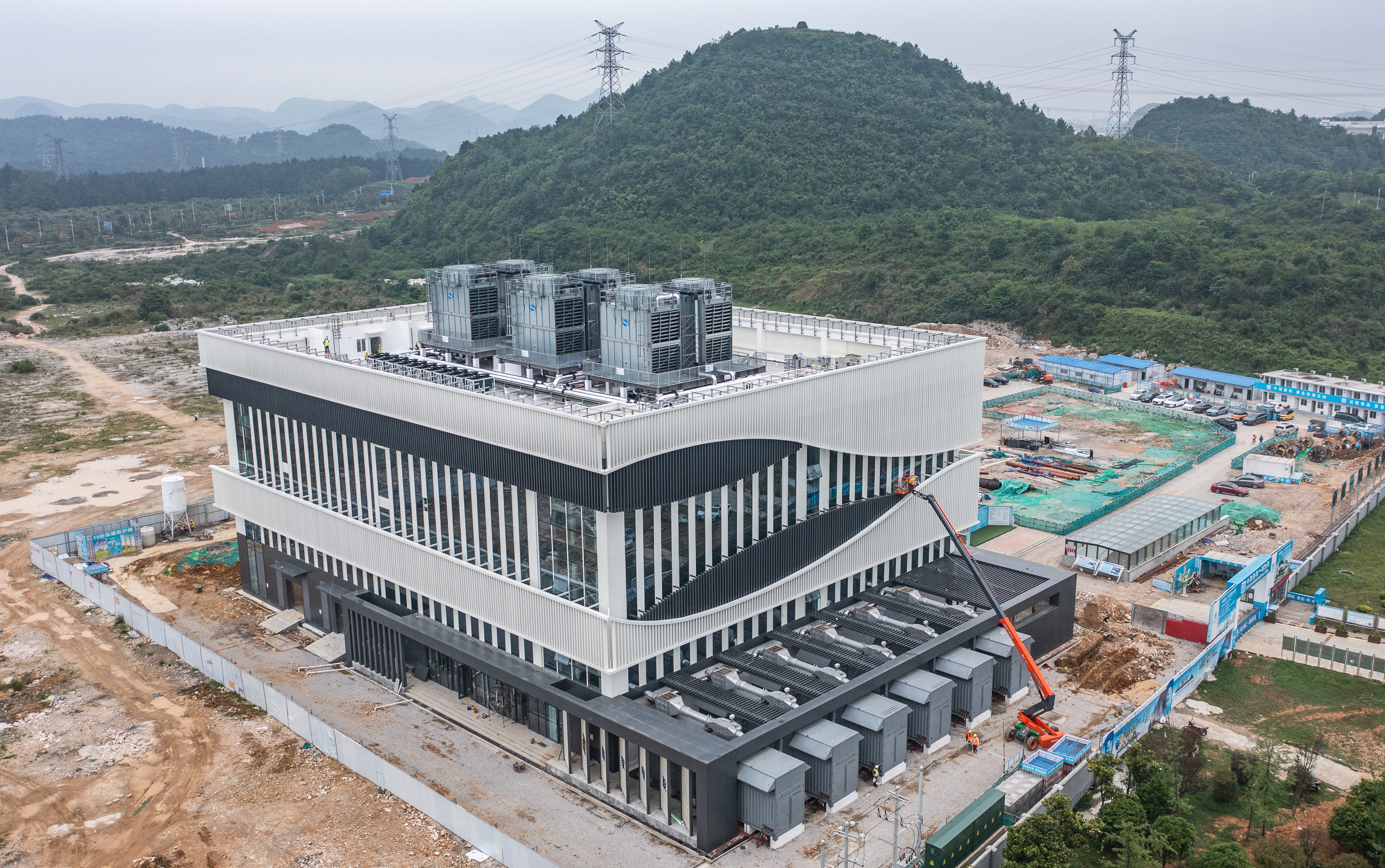
State Power Investment Corporation director Pei Shanpeng recently highlighted the tension during a Beijing industry conference. He noted that because GPUs represent massive capital investments, operators run them at peak intensity around the clock. This relentless demand profile directly contradicts the intermittent supply characteristic of wind and solar power, complicating grid management for utilities accustomed to more predictable industrial consumption patterns.
The current reality remains heavily coal-dependent. According to International Energy Agency data, coal accounts for nearly 70% of the electricity powering Chinese data centers as of 2025. While the IEA projects that solar and wind could contribute an additional 90 TWh by 2030 through provincial mandates and strategic relocation to western China, critics argue that these projections ignore the operational friction between data center load requirements and grid stability. Even experimental projects, such as the 24 MW offshore wind-powered underwater data center in Shanghai, demonstrate the difficulty of scaling these niche innovations to meet the insatiable, non-negotiable power needs of a national AI industry.


Comments (0)
No comments yet. Be the first!