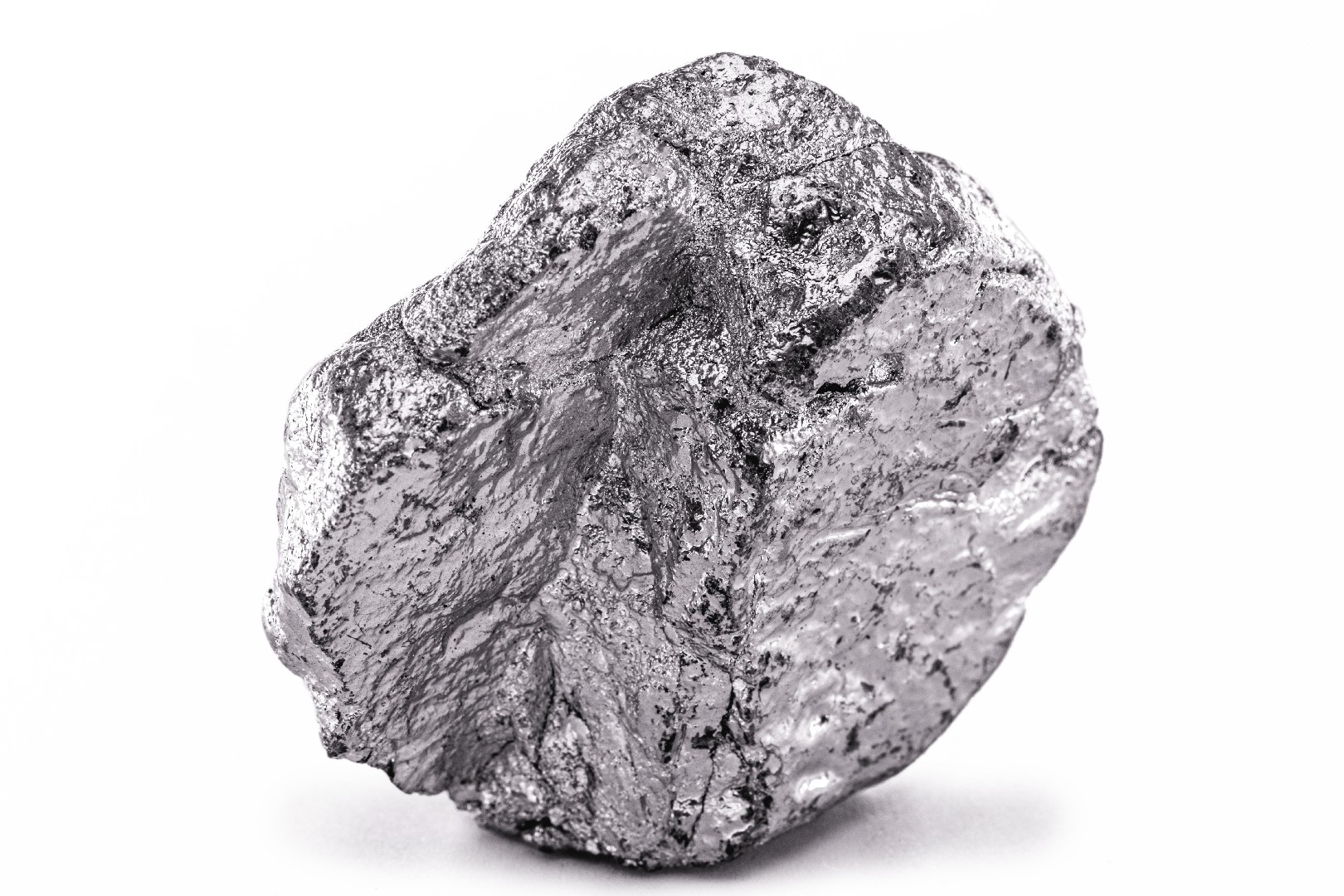
The Democratic Republic of the Congo (DRC) currently accounts for up to 75% of global raw cobalt output, concentrating primary extraction within a narrow geographic corridor. Because approximately 94% of cobalt is produced as a byproduct of copper and nickel mining, its availability is dictated by the price fluctuations of those metals rather than demand from the electric vehicle sector. This decoupling creates a structural vulnerability where a downturn in copper or nickel markets could unexpectedly choke off the supply of battery-grade cobalt.
Downstream operations are similarly centralized. China maintains a near-monopoly on the refining and chemical processing of cobalt materials, having secured control over 15 of the 17 largest mining operations in the DRC through state-backed financing and the Belt and Road Initiative. The Chinese Society for Environmental Sciences warns that this "robust-yet-fragile" architecture masks the true extent of potential failures. Because the cobalt trade network is deeply interconnected, the study suggests that the actual risk of supply chain collapse is roughly four times greater than what traditional trade volume metrics currently indicate. With Beijing already demonstrating a willingness to restrict exports of critical minerals like gallium and germanium to counter Western trade policies, analysts fear cobalt could become the next target for geopolitical leverage.



Comments (0)
No comments yet. Be the first!