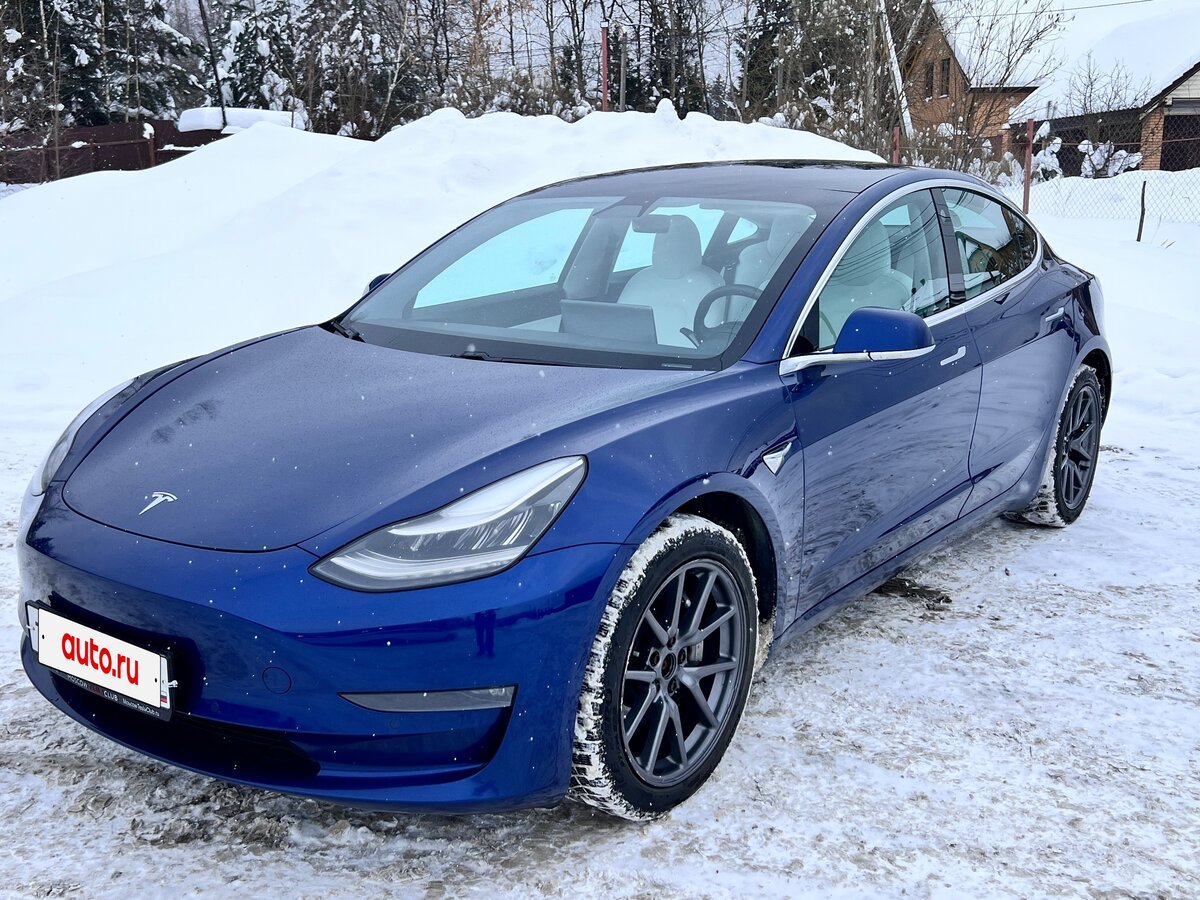
For the sixth consecutive year, Tesla claimed the top two spots with the Model 3 and Model Y. While domestic stalwarts like Jeep maintained a presence in the top five, the broader index reflects a reality where global automakers rely heavily on U.S. labor and parts. Honda placed five models in the top 10, and Toyota emerged as the manufacturer with the highest total number of vehicles featured on the list. Patrick Masterson, lead researcher for the index, noted that the results challenge consumer perceptions, illustrating that modern assembly is no longer defined by traditional corporate borders.
Economic shifts and policy changes have tightened the field, with the total number of vehicles on the list falling to 86 from 99 in 2025. Tariffs and the sunsetting of federal EV tax credits have forced manufacturers to recalibrate their lineups, resulting in a notable decline in pure electric vehicle representation. Despite these headwinds, consumer sentiment remains anchored in domestic support; 57% of shoppers surveyed by Cars.com expressed a willingness to pay a premium for vehicles that bolster U.S. employment. As the industry evolves, the geographic center of production has also drifted, with half of the 46 relevant auto plants now located in the South, surpassing the historic industrial stronghold of the Midwest.




Comments (0)
No comments yet. Be the first!