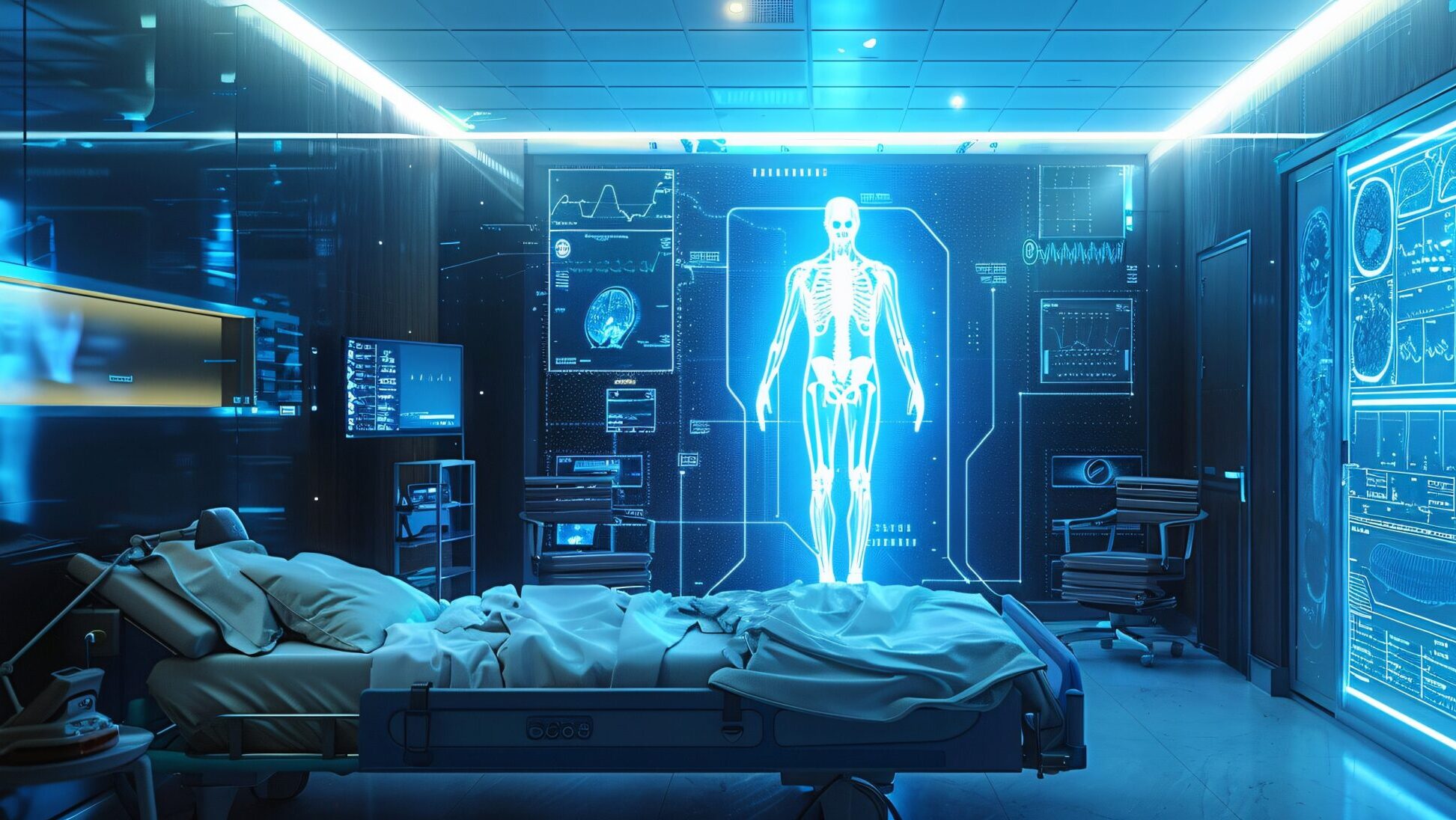
The new tool, Clinical Escalations, integrates directly into AI agent conversations to monitor for signs of distress that might otherwise go unnoticed. By utilizing the Schmidt Thompson Call Prioritization Index—the industry standard for nurse triage—the system assigns a severity score to every exchange. This allows the AI to immediately reclassify a logistical inquiry as an urgent medical event if the patient’s language indicates high risk. Infinitus reports a 0% under-triage rate in real-world settings, ensuring that patients are routed to human clinicians before a situation deteriorates.
This technology addresses the limitations of current automated phone systems, which typically rely on a generic warning to call 911. By continuously analyzing communication patterns, including variations in emotional state and clarity, the system bypasses the need for a patient to explicitly state they are experiencing an emergency. Clinical teams receive a full log of these decisions for review, providing transparency into the AI's triage process. The platform is currently available for healthcare providers, insurers, and pharmaceutical support programs, marking a shift toward more proactive, safety-focused patient interactions.
/kalakaumudi/media/media_files/uBrzqeG4z8BQxxYVU344.JPG)


Comments (0)
No comments yet. Be the first!