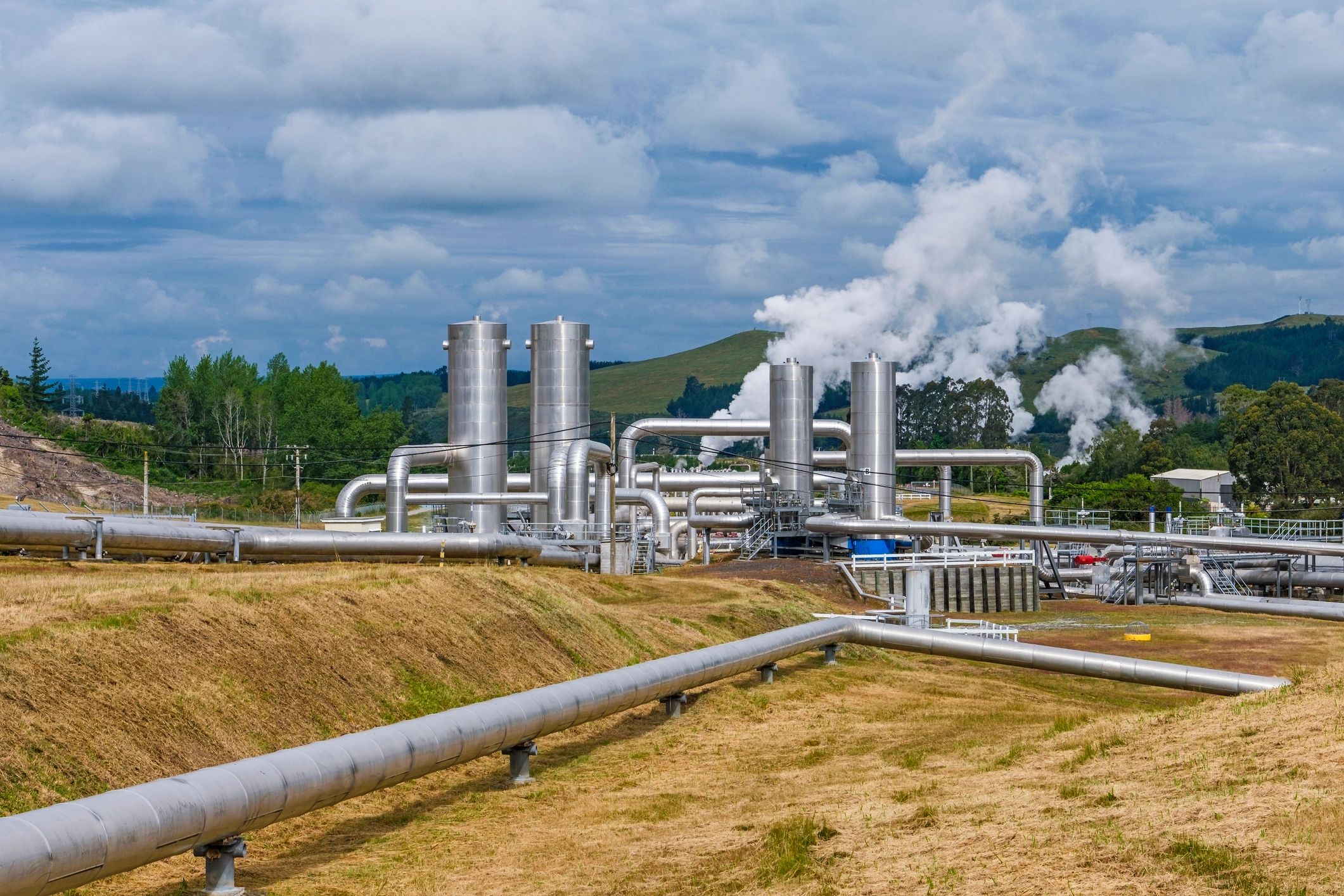
For decades, geothermal power remained tethered to rare, geologically active sites like geysers. That limitation is vanishing as advanced drilling technologies allow engineers to tap into the Earth's core heat from nearly anywhere. This shift comes at a critical juncture: the explosive demand for electricity from AI data centers has forced a scramble for constant, carbon-free energy sources that can operate around the clock.
The industry's rapid scaling relies heavily on a workforce and technical toolkit inherited from the oil and gas sector. Startups like Birch Geothermal are repurposing hydraulic fracturing expertise and reservoir management systems to stabilize water flow in wells, transforming geothermal from a fringe experiment into a reliable grid contributor. This cross-pollination of industries has turned the U.S. into a potential global leader, as the nation’s existing proficiency in high-efficiency drilling provides a unique competitive advantage.
Political momentum is accelerating this transition. Beyond bipartisan support, the current administration has identified enhanced geothermal research as a strategic priority. With capital flowing from both Silicon Valley and federal coffers, the infrastructure is falling into place to scale this technology. If these projections hold, the U.S. could see 90 gigawatts of carbon-free capacity brought online by mid-century, fundamentally diversifying the national energy mix.




Comments (0)
No comments yet. Be the first!