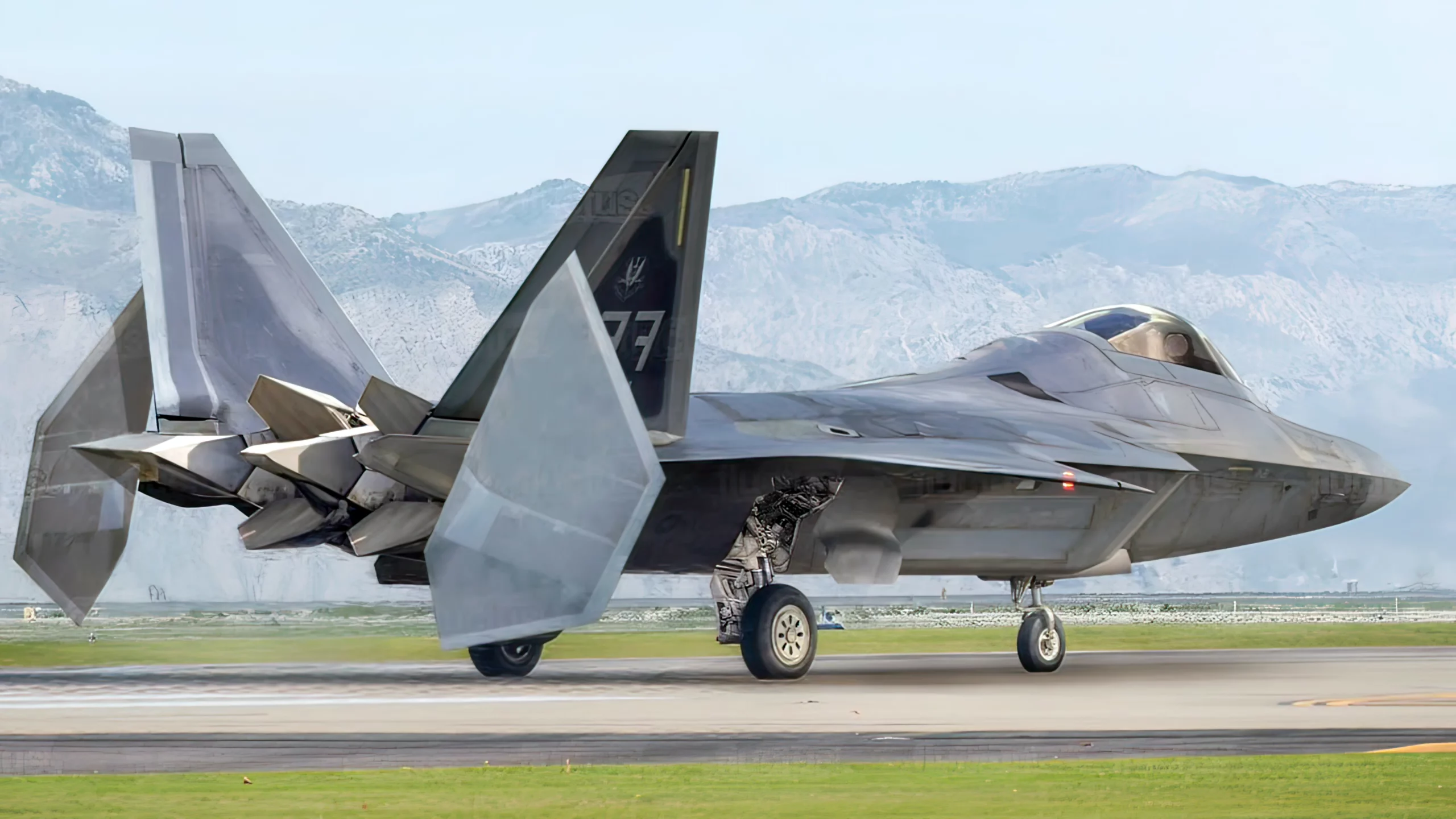
Two F119 engines drive each F-22 Raptor, enabling the aircraft to achieve supercruise—sustained supersonic speeds without using an afterburner. The engine’s design integrates stealth technology and thrust-vectoring nozzles, which provide the maneuverability and situational awareness required for modern air combat. Since entering service, the engine has served as the technological architecture for the F135 engine now found in the F-35 Lightning II.
Jill Albertelli, president of Military Engines at Pratt & Whitney, emphasized the engine's role in maintaining fleet readiness and mission success. Although production of the F119 concluded in 2013, the company continues to support the global F-22 fleet through long-term sustainment. Current maintenance efforts utilize advanced techniques such as Model-Based Systems Engineering and Usage-Based Lifing to ensure the engines remain viable for future operations.



Comments (0)
No comments yet. Be the first!