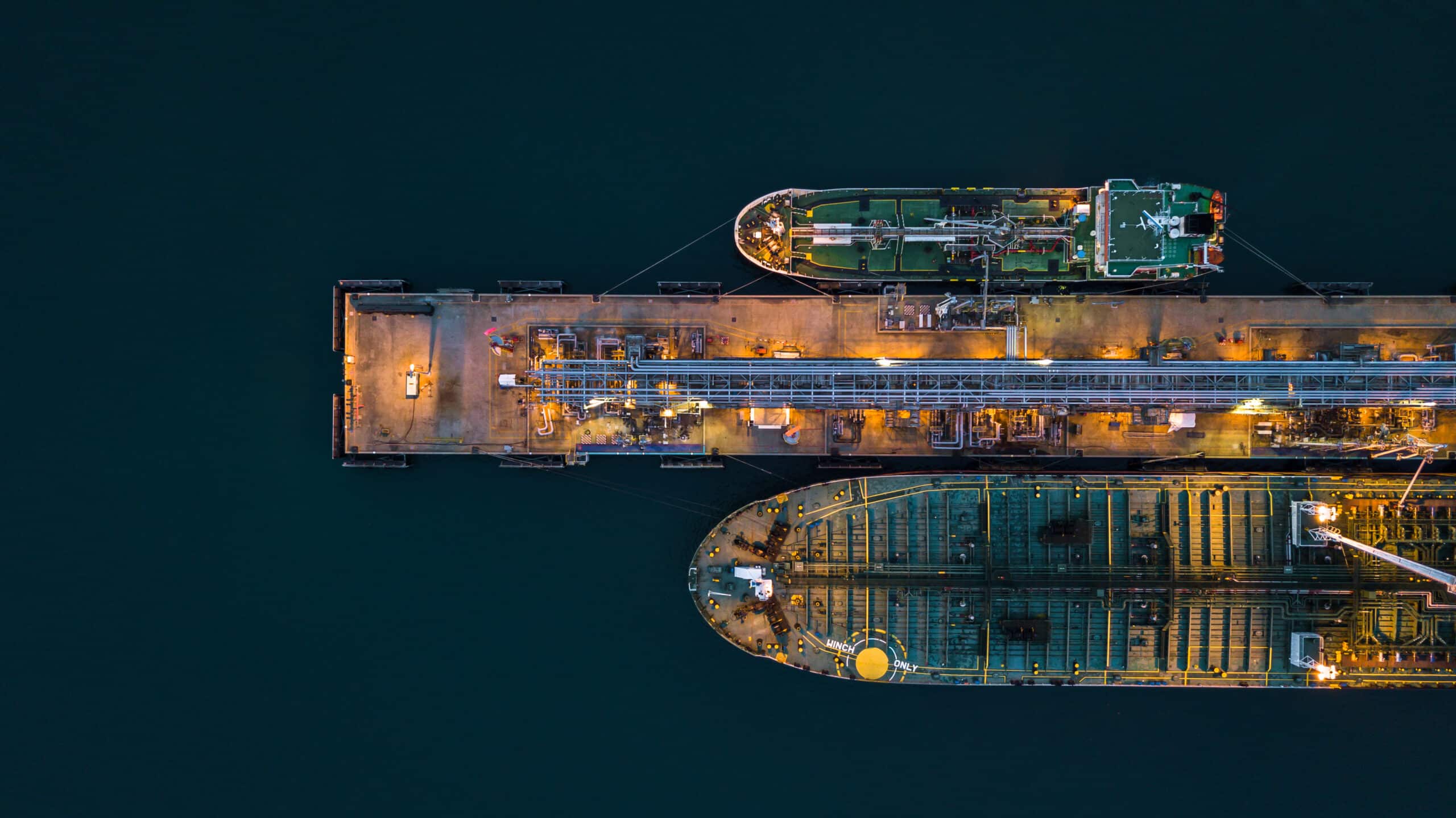
The disconnect between cargo volume and vessel movement stems from a shift in shipping tactics. While independent operators stay sidelined by war-risk insurance premiums that remain eight times higher than pre-conflict levels, state-backed fleets have stepped in. Many of these tankers now operate under sovereign insurance or transit with AIS signals disabled to avoid detection. On July 4, this tension hit a breaking point when four outbound tankers reversed course following radio warnings from Iran’s Islamic Revolutionary Guard Corps.
Major Gulf producers are simultaneously insulating themselves from these risks by rerouting supply. Saudi Arabia is leaning heavily on its East-West Pipeline to the Red Sea, while the UAE utilizes the Habshan-Fujairah line to bypass the strait entirely. Despite the recovery in export volumes, Iran is moving to exert more control over the remaining traffic. Ambassador Abdolreza Rahmani Fazli indicated that Tehran plans to impose service charges on vessels using the waterway, with potential exemptions for nations deemed friendly, such as China.




Comments (0)
No comments yet. Be the first!