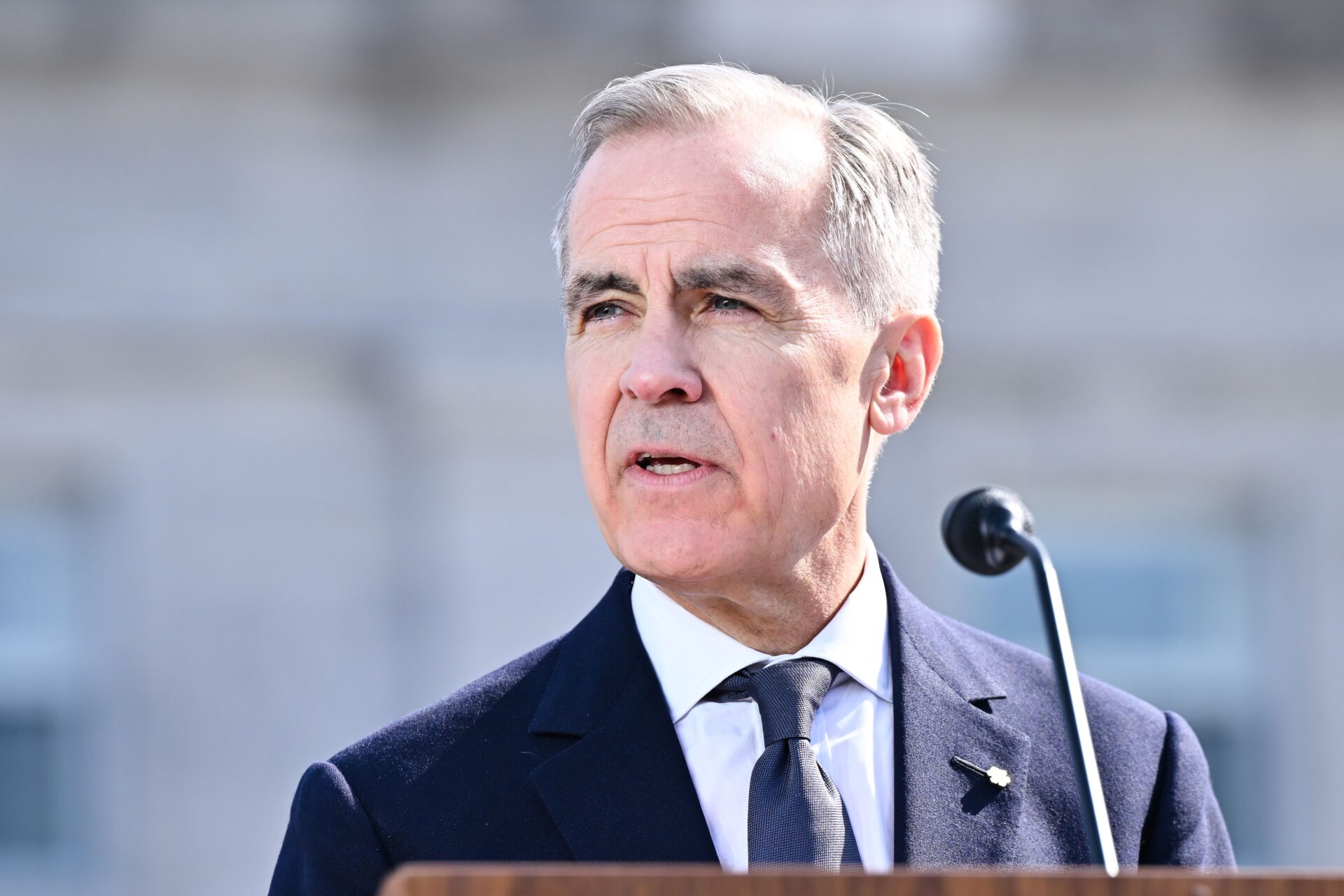
The pledge comes as Canada navigates a significant shift in its military posture, aiming to elevate defense spending from roughly 1.4% of GDP to 5% by 2035. While the government has already factored the pending purchase of up to a dozen submarines from Germany’s TKMS into its fiscal framework, the total cost remains undisclosed. Analysts estimate the deal could reach tens of billions of dollars, marking the largest procurement in Canadian history.
NATO Secretary-General Mark Rutte recently demanded that member nations provide concrete plans to meet shared spending targets. Canada’s pivot toward rearmament follows years of criticism from U.S. administrations regarding the country’s contribution to the alliance. Beyond submarines, the government is pursuing a broad modernization program encompassing icebreakers, aircraft, missiles, and cyber infrastructure. Officials project total military-related investments will hit C$500 billion by 2035.
Despite these projections, skepticism remains regarding the government's accounting methods. Don Drummond, a former senior finance official, described the current lack of transparency as the worst he has encountered. The government’s recent inclusion of "security resilience" spending—amounting to 1.5% of GDP—to reach its targets has drawn particular scrutiny. Critics argue that without itemized details, it is impossible to determine if these investments offer genuine military value or merely represent vague fiscal maneuvering.



Comments (0)
No comments yet. Be the first!