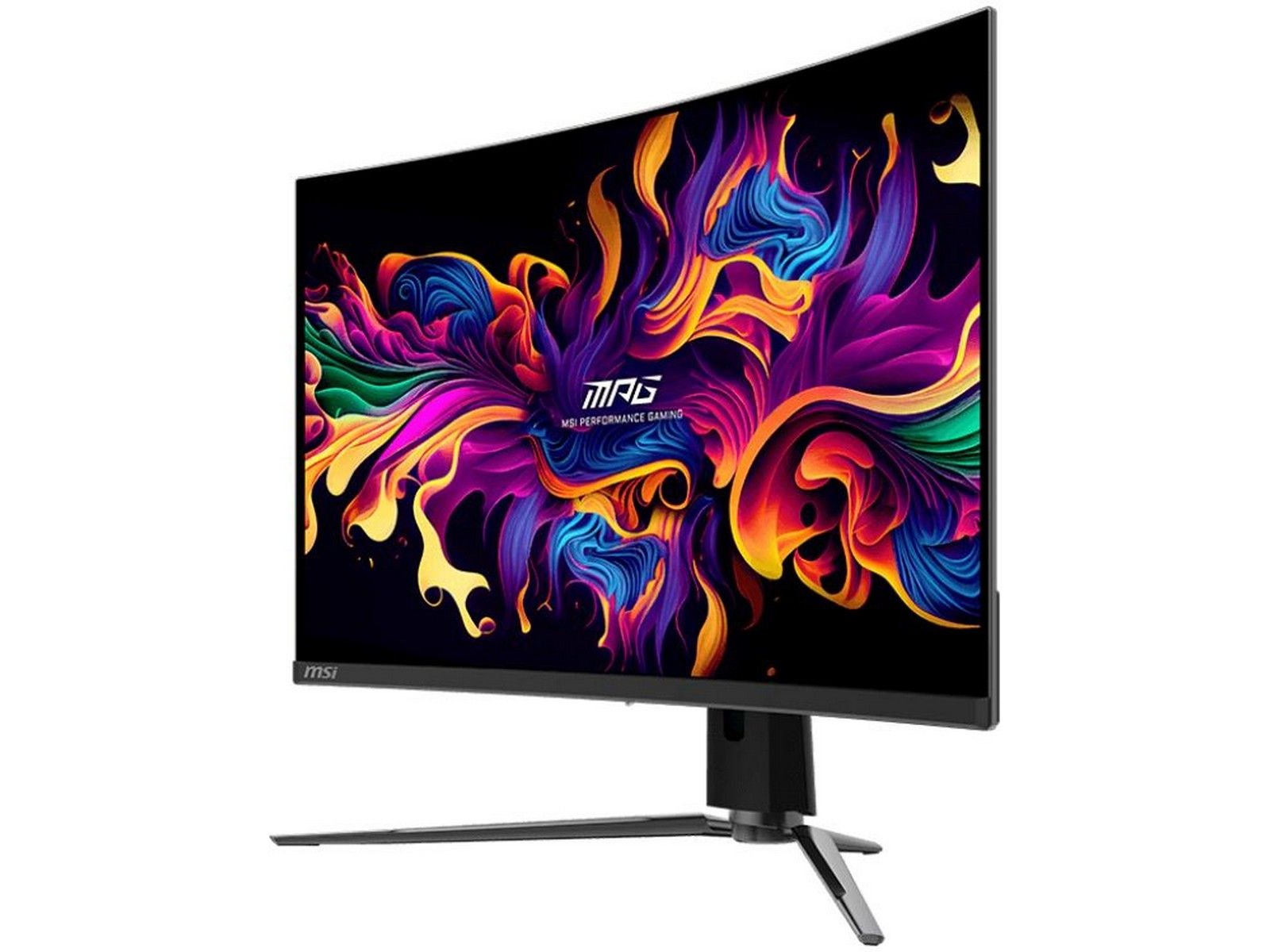
The certification addresses the rapid evolution of OLED display technology, specifically the adoption of tandem architectures that allow for higher output without compromising contrast. By requiring black levels as low as 0.0005 cd/m², the new specification ensures that screens remain suitable for color-critical work in environments with varying ambient lighting. The standard also incorporates rigorous validation requirements for color accuracy and contrast performance established in the DisplayHDR CTS 1.2 framework.
Industry adoption is already underway, with Samsung Display touting its tandem OLED panels as fully compatible with the new metrics. Lenovo has confirmed it will be among the first to market with compliant hardware, featuring the Yoga Pro 16 as the world's first notebook to carry the certification. The initial wave of products meeting these requirements will be demonstrated at Bilibili World 2026 in Shanghai this July.



Comments (0)
No comments yet. Be the first!