For years, Baghdad’s playbook involved securing U.S. funding while maintaining illicit energy ties to Tehran. That cycle has stalled under a rigorous U.S. pressure campaign. By blocking dollar shipments to Iraqi banks and sanctioning officials involved in smuggling networks, Washington has systematically dismantled the financial conduits that previously allowed Iraq to bypass international restrictions. Legislative efforts, including the ‘Free Iraq from Iran Act’, have further tightened the grip on Baghdad’s energy sector, forcing a pivot toward Western-led development.
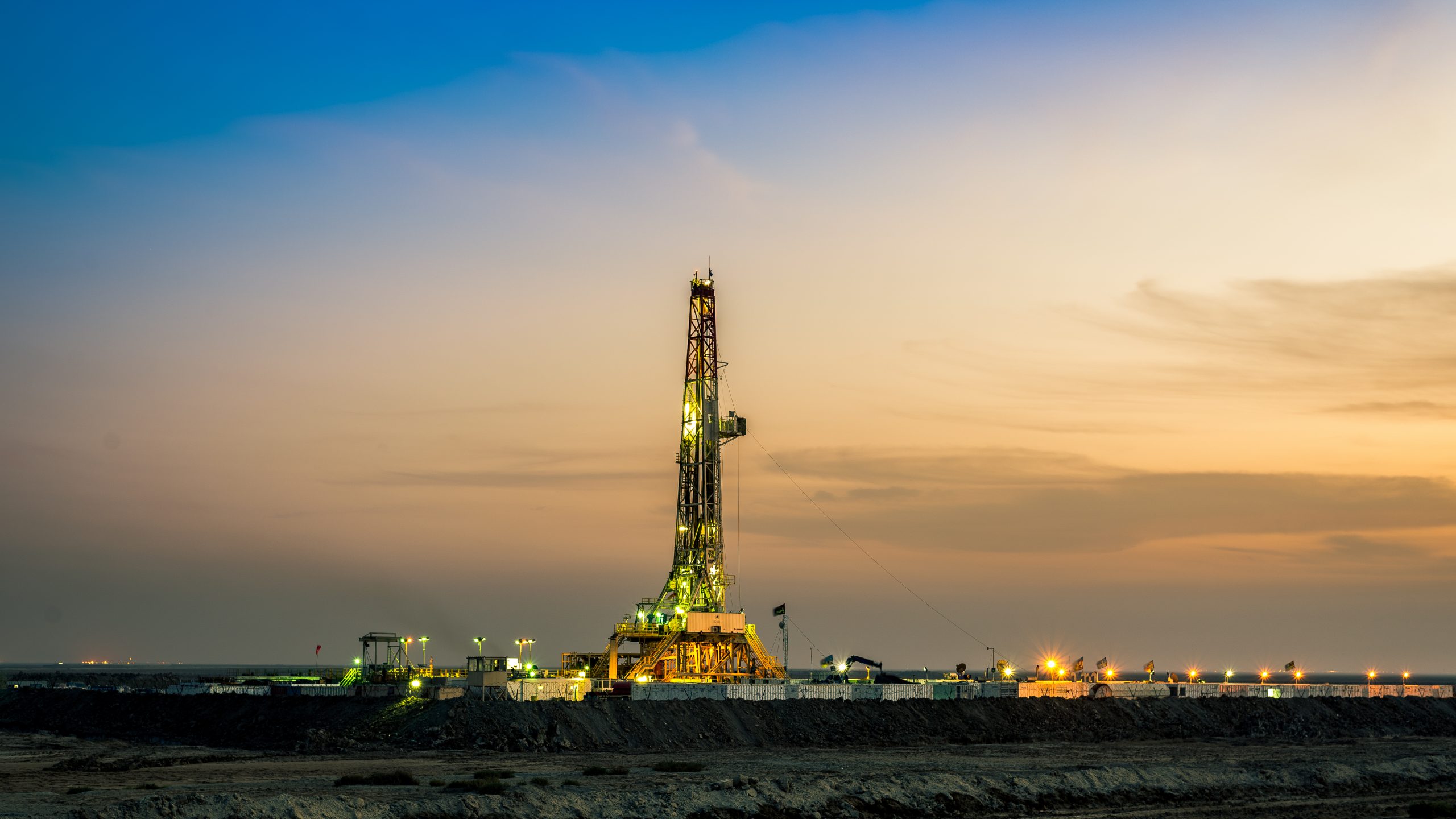
This shift is increasingly visible in the oil fields. TotalEnergies is now spearheading vital infrastructure projects, while Chevron has entered exclusive negotiations to develop the 13-billion-barrel West Qurna 2 field. The departure of Russian firms, most notably Lukoil, has cleared a path for American supermajors to modernize production. With Iraq holding an estimated 145 to 215 billion barrels of reserves, these Western partnerships are intended to move the country toward a 7-million-barrel-per-day output target.
Baghdad’s long-standing strategy of playing global powers against one another has lost its efficacy as Moscow retreats from the region and Beijing adopts a more cautious stance. Facing an urgent need to revitalize its energy infrastructure, the Iraqi leadership appears to be reaching a point where the luxury of strategic ambiguity is no longer sustainable. The upcoming talks in Washington are expected to be less about hedging and more about formalizing a decisive tilt toward the West.



Comments (0)
No comments yet. Be the first!