
The instability in the Middle East has reached a boiling point, with the U.S. and Iran trading strikes that have crippled regional infrastructure. As Iran threatens to close the Strait of Hormuz, the proposed introduction of mandatory transit fees—some reported as high as $2,000,000 per tanker—has created a dangerous precedent. While Oman characterizes these as optional service charges, the normalization of such costs in the Middle East has drawn wary eyes toward Southeast Asia.
The Strait of Malacca serves as the planet's busiest maritime chokepoint, handling nearly half of the world’s seaborne oil and 30% of global trade. A bottleneck near Singapore, only 2.8 kilometers wide, forces 94,000 vessels annually through a narrow passage essential to the economies of China, Japan, and South Korea. Any attempt to impose similar levies here would trigger a surge in insurance premiums and fuel costs, fundamentally altering the economics of global shipping.
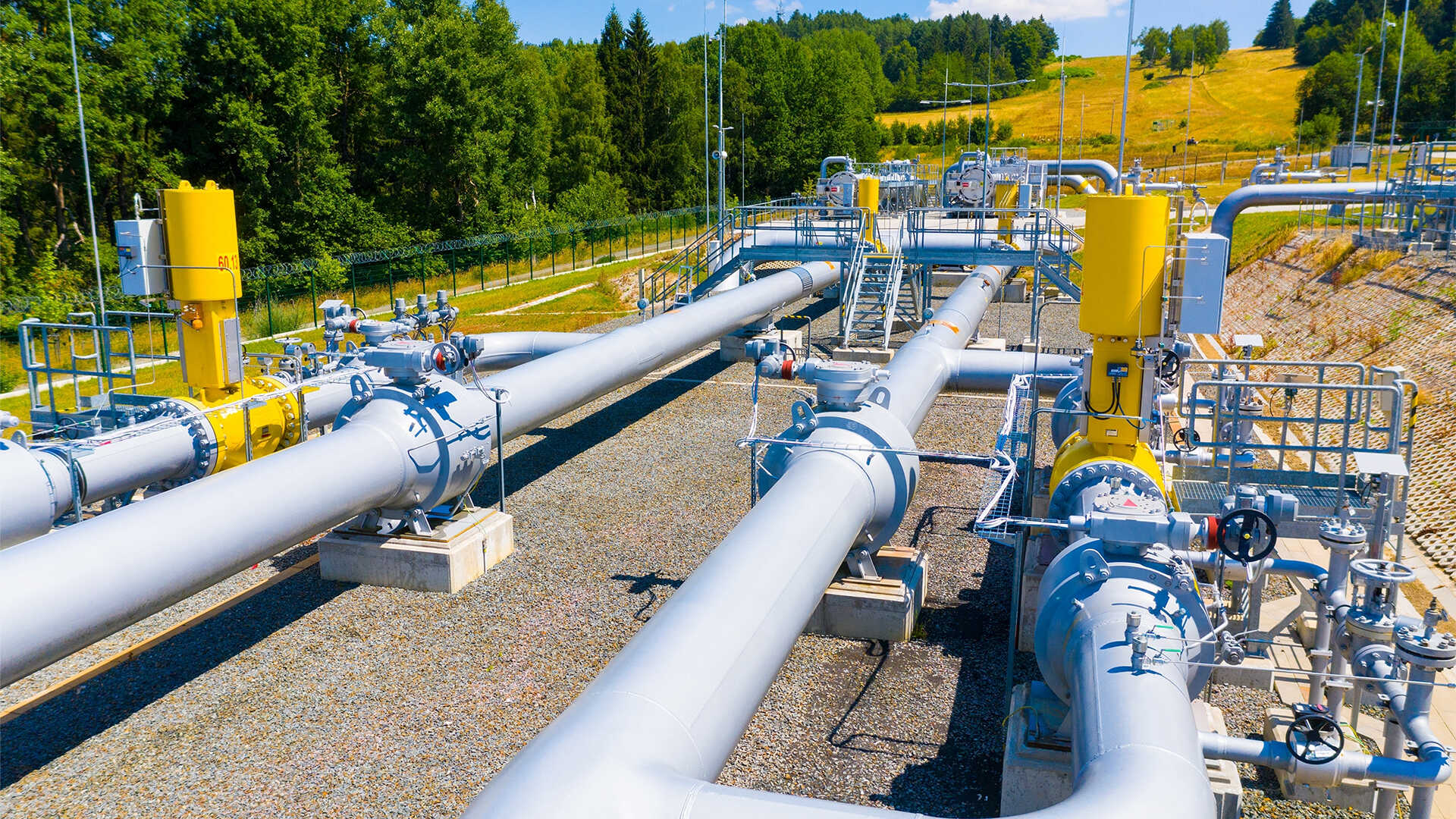
China, in particular, remains acutely vulnerable to the "Malacca Dilemma," with 80% of its oil imports dependent on the route. To mitigate this, Beijing has invested heavily in the China-Myanmar Economic Corridor and the China-Pakistan Economic Corridor. These infrastructure projects, including the 22-million-ton capacity oil pipeline from Myanmar’s Kyaukpyu port to Yunnan, offer a strategic bypass. Despite these efforts, the Strait of Malacca remains the primary gateway for Asian energy, and any disruption to its status quo would send shockwaves through international commodity markets.



Comments (0)
No comments yet. Be the first!