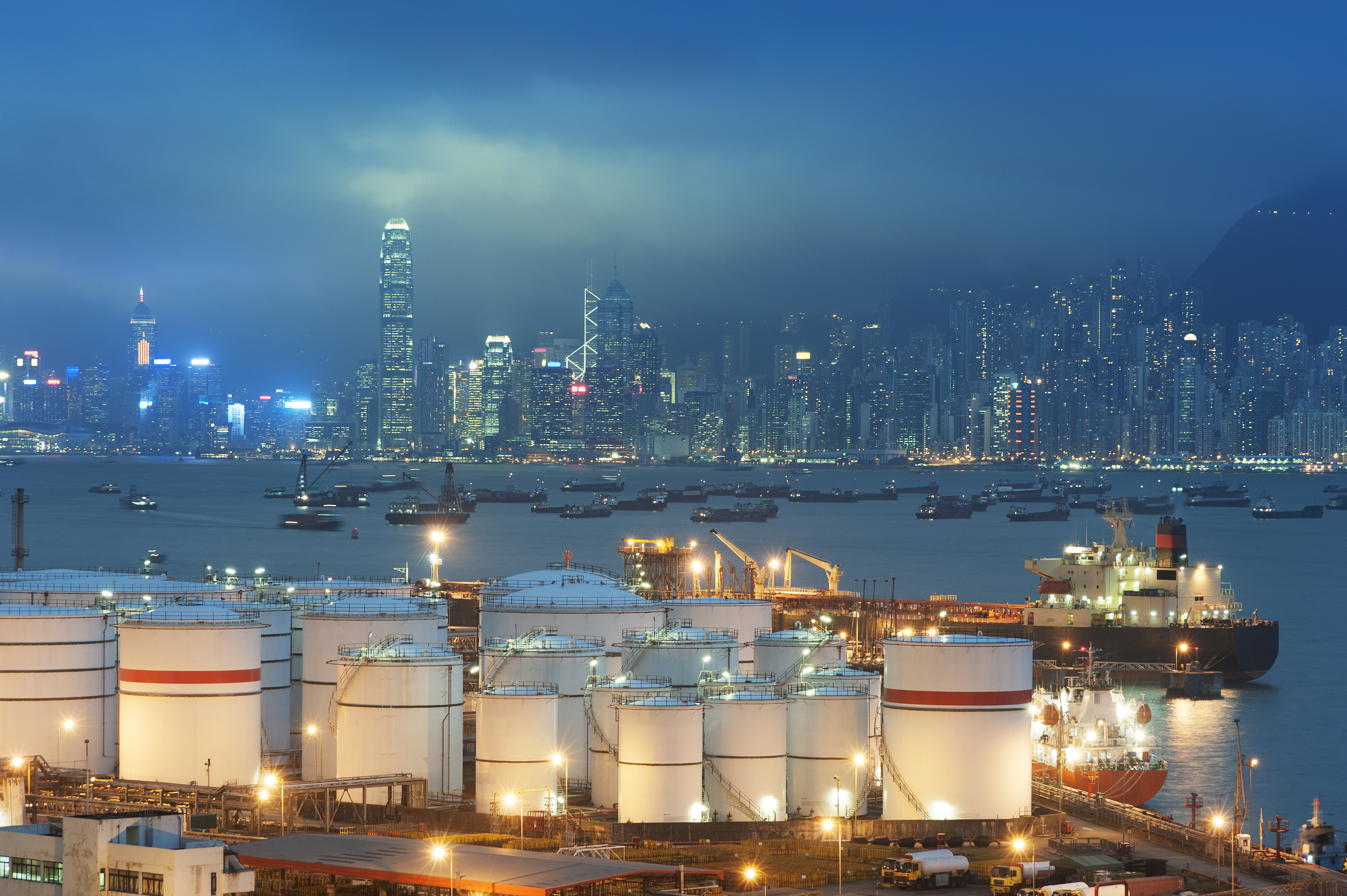
While reports suggested that the UAE’s desire to ramp up production signaled the end of OPEC as a cohesive entity, such claims rested on the fragile assumption of a lasting peace. With U.S. airstrikes resuming following Iranian attacks on vessels in the Strait of Hormuz, the prospect of a post-war market share race has been sidelined by the reality of long-term supply chain disruption. Building new infrastructure to bypass blocked waterways is a slow process, leaving exporters struggling to move barrels regardless of their official production targets.
Analysts who predicted a massive oil glut have frequently underestimated the resilience of global demand. History shows that consumers do not pivot away from oil as quickly as markets expect, even during periods of price volatility. Furthermore, while individual nations like the UAE may feel stifled by Saudi-led restraint, the collective power of OPEC remains the only mechanism preventing prices from collapsing to the $40 range. Once the current hostilities subside, producers will likely find that their individual influence is no match for the price-setting authority they derive from the cartel, making the organization more relevant to their long-term economic stability than their short-term impulse to pump.



Comments (0)
No comments yet. Be the first!