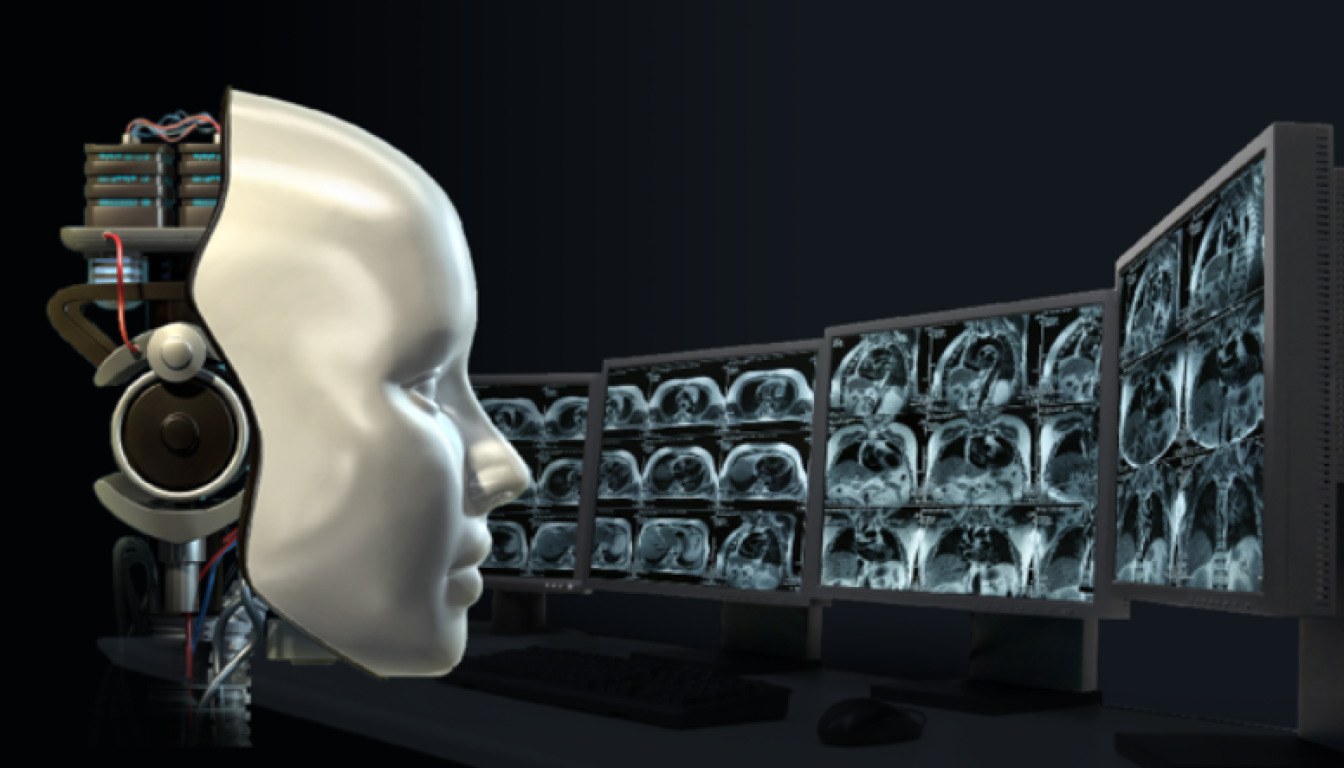
The platform distinguishes itself by moving away from traditional interfaces that have remained largely unchanged for two decades. By integrating whole-body lesion detection and automated segmentation models into a single viewer, Raidium seeks to reduce the cognitive load and repetitive tasks currently plaguing clinical reading rooms. According to company CEO Paul Herent, the technology leverages agentic AI to provide fluid, reasoning-based workflows that standard PACS viewers have failed to support.
For researchers and clinicians, the practical benefits focus on precision and efficiency. Early data suggests the tool can decrease inter-reader variability by 3x through organ-agnostic RECIST measurements. While the platform is currently limited to clinical trials and research, Raidium is actively pursuing 510(k) regulatory clearance, which the company expects to secure by the end of 2026. For now, the rollout offers cancer centers a way to bypass heavy integration requirements, allowing immediate access to the software for oncology research environments.




Comments (0)
No comments yet. Be the first!