A Strategic Pivot Amid Trade Tensions
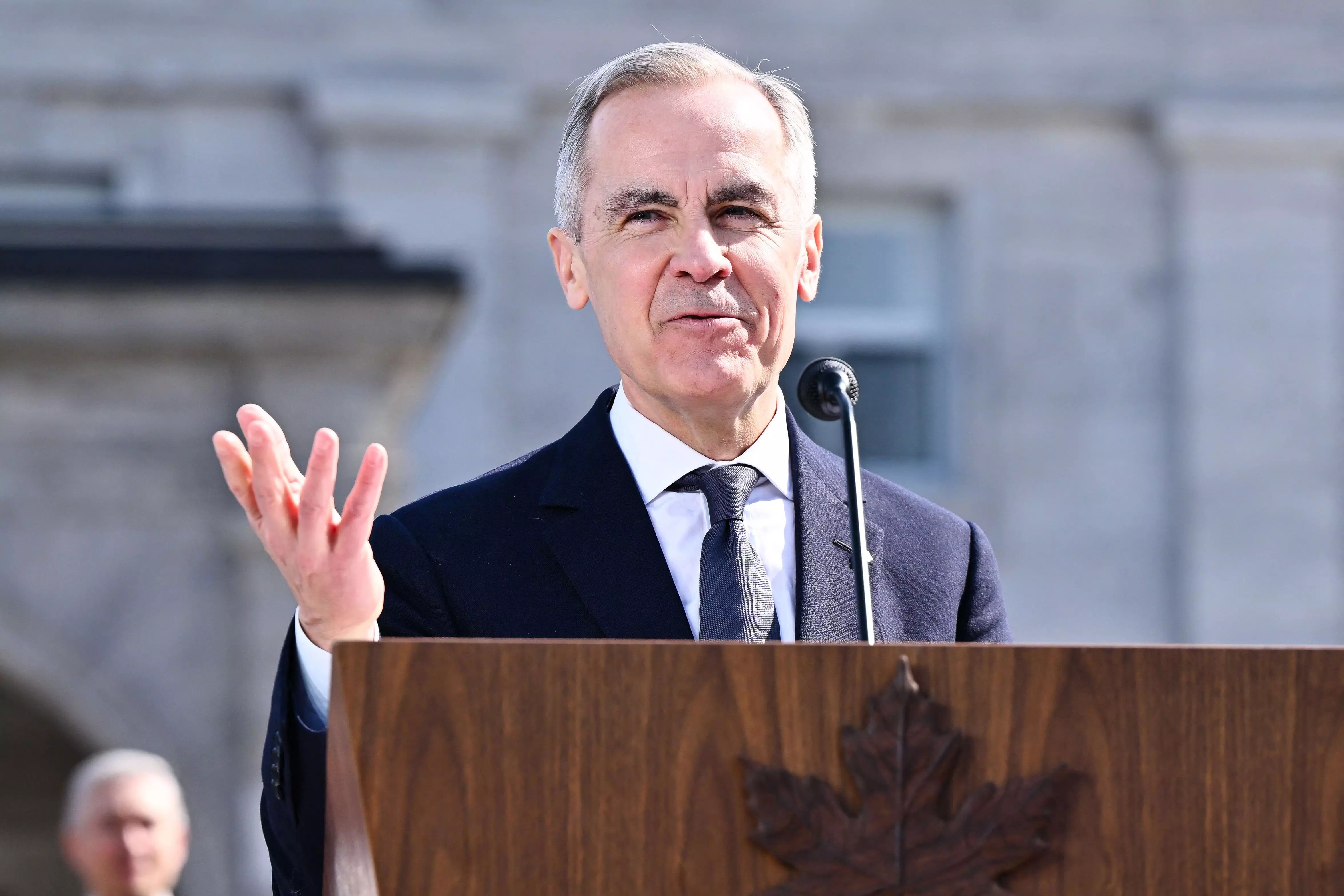
The new framework arrives as Canada navigates a volatile trade landscape with its southern neighbor. While the Trump administration has moved to ease fuel-economy standards in the U.S., Ottawa is tightening its grip on emissions to prepare the domestic sector for global electrification. The stakes are high for Canadian manufacturers, as over 90% of Canadian-made vehicles are currently exported to the U.S., where they face a 25% tariff. This friction is expected to be a primary point of contention during the upcoming renewal negotiations for the U.S.-Mexico-Canada Agreement (USMCA).
To mitigate these pressures, the Carney government has significantly lowered tariffs on Chinese EVs—dropping from 100% to approximately 6%—in exchange for increased investment and better market access for Canadian agricultural products. However, the strategy has faced pushback from established industry players. General Motors Chief Executive Mary Barra warned that the Canada-China arrangement poses a direct threat to the stability of North American auto manufacturing.
Balancing Manufacturing and Climate Goals
The transition to the new emissions regime will begin with the 2027 model year, with finalized regulations expected later this year. By repealing the 20% sales mandate previously set for 2026, the government claims it is removing "undue burdens" on automakers, allowing them to utilize a broader range of technologies to meet environmental targets. To incentivize consumers, the plan reintroduces rebates for EVs manufactured in countries with which Canada holds free-trade agreements, effectively excluding Chinese-made models from the subsidy pool.
While the Canadian Vehicle Manufacturers Association welcomed the move as a source of medium-term stability, environmental groups remain skeptical. The Pembina Institute cautioned that the absence of finalized, enforceable regulations could lock in higher emission levels for years. Despite the policy shift, the government maintains its commitment to the sector’s long-term transformation, supported by $20 billion in previously pledged subsidies for battery production facilities involving Volkswagen, Stellantis, and LG Energy.


Comments (0)
No comments yet. Be the first!