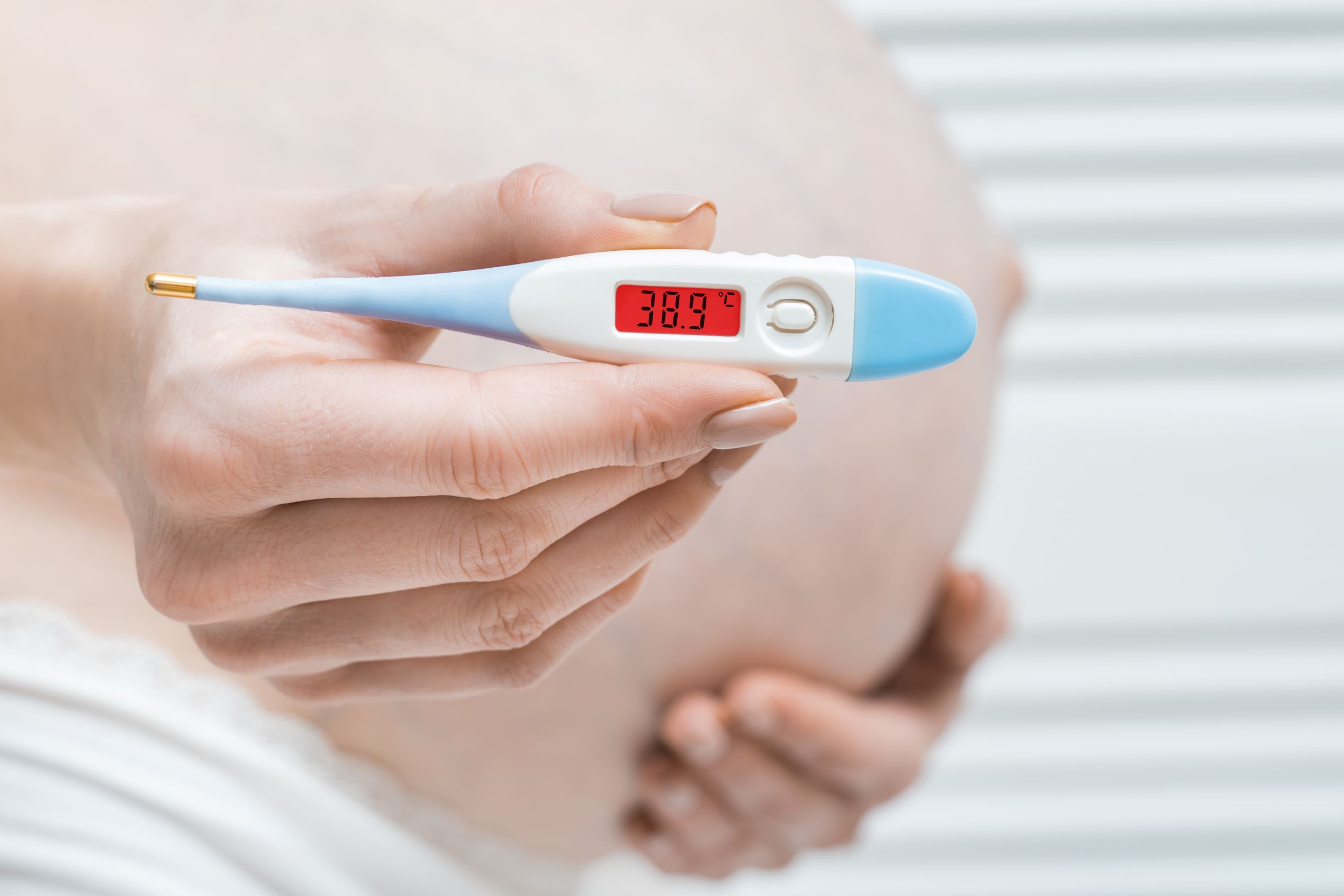
The analysis, published in the Birth Defects Research Journal, synthesized decades of global data to map the connection between elevated maternal body temperatures and adverse outcomes. Findings link fevers—often triggered by influenza, tonsillitis, or gastroenteritis—to structural issues such as spina bifida, cleft lip, cardiac defects, and colon atresia. While the precise biological mechanism remains under investigation, evidence points toward high temperatures and inflammation interfering with proteins critical to early fetal growth.
Dr. Sawangkum emphasizes that fever duration and severity are key variables, with the first trimester serving as the most vulnerable window for the fetus. To mitigate these risks, specialists are advocating for the proactive use of acetaminophen and consistent folic acid supplementation. Although some concerns regarding acetaminophen have emerged in recent years, Dr. Sawangkum maintains that the drug remains a safe, evidence-based intervention. Clinical data suggests that patients who treat fevers promptly are less likely to experience complications, highlighting the importance of managing hyperthermia as a modifiable risk factor in prenatal care.




Comments (0)
No comments yet. Be the first!