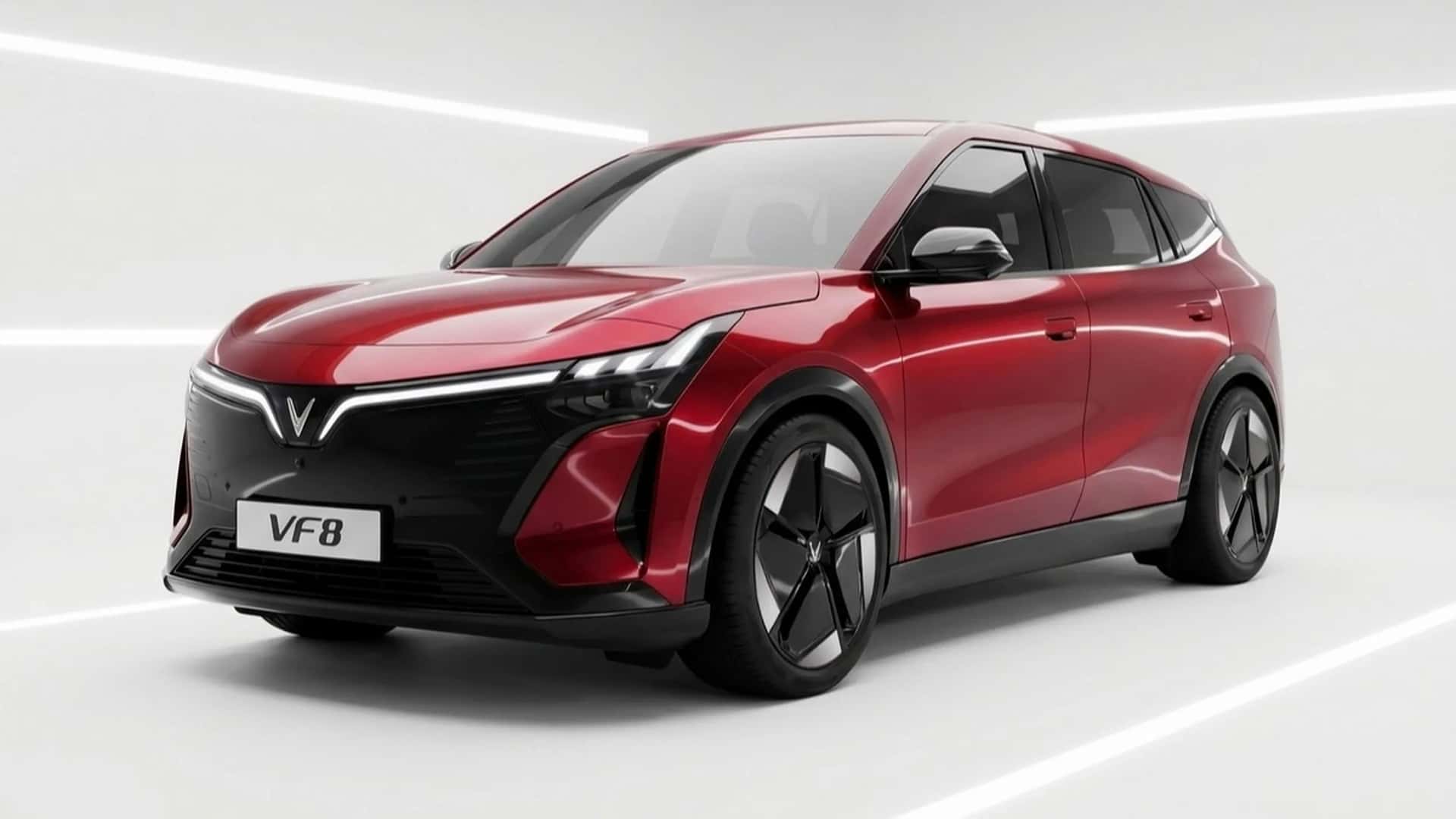
Battery electric vehicles accounted for 17.4% of new passenger car registrations in the European Union in 2025, marking a steady rise from the previous year's 13.6%. Yet, as these vehicles become common, the metrics of success are evolving. The European Commission’s New EU Urban Mobility Framework now prioritizes accessibility, safety, and quality of life over simple carbon reduction targets. This shift forces a move away from optimizing individual transport modes toward building a cohesive, multimodal infrastructure that links public transit, cycling, and ride-hailing into a single user experience.
The Shift to Integrated Mobility
Companies are now pressured to look beyond the hardware of the vehicle itself. Vingroup, through its Green SM service, is attempting to bridge this gap by connecting VinFast electric vehicles, public electric buses, and charging networks into one value chain. Having completed over 4.2 billion kilometers of all-electric travel and facilitating 1.8 million daily trips as of March 2026, the company aims to integrate into Europe’s existing, complex urban landscapes rather than disrupt them. For mature markets, the challenge is no longer just adding capacity, but ensuring that new mobility models offer tangible improvements to the daily commute, fostering competition that drives innovation across the entire transportation sector.




Comments (0)
No comments yet. Be the first!