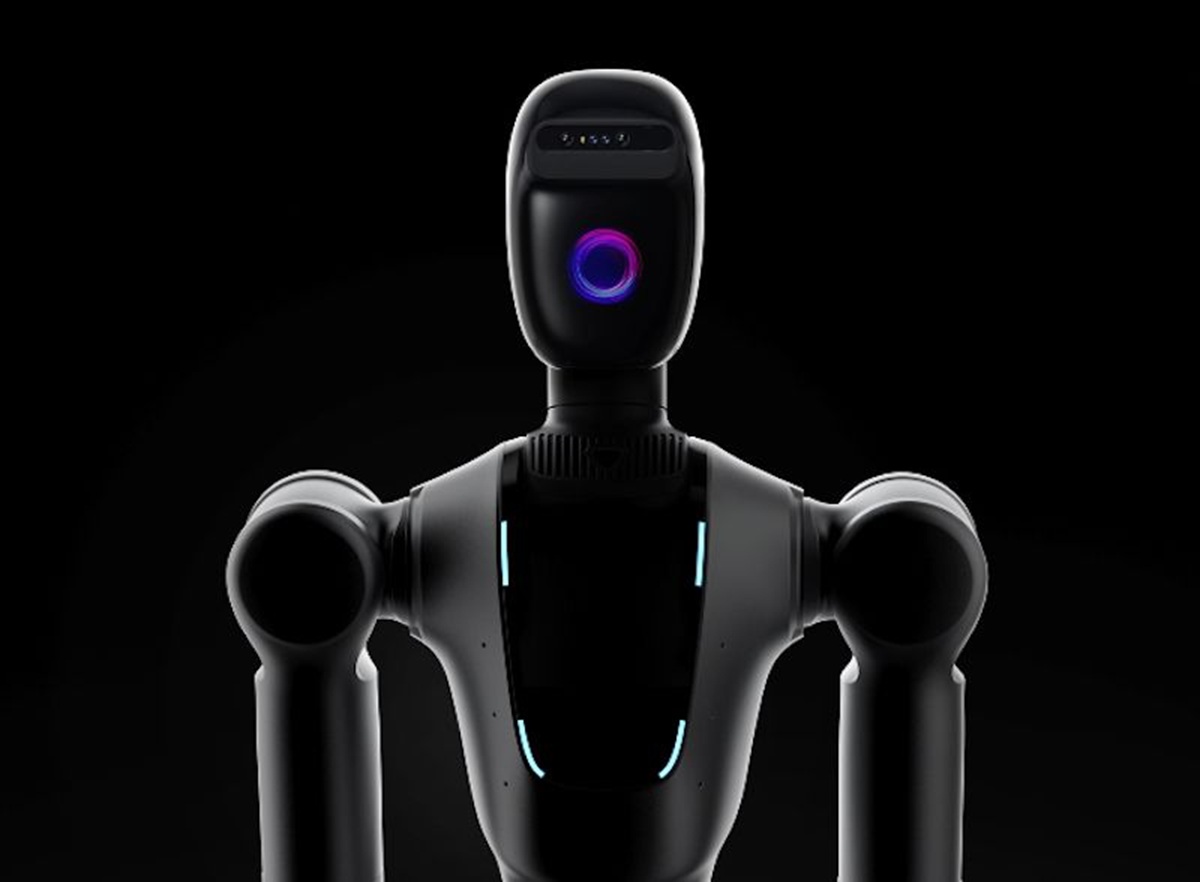
The updated architecture centers on five core components—ABot-N1, ABot-M0.5, ABot-ER, ABot-AgentOS, and ABot-C0—designed to handle distinct challenges from long-range navigation to object manipulation. By integrating world models with foundation models, the system allows robots to refine their performance through simulation training and physical interaction feedback. According to Amap, this suite achieved state-of-the-art results across 17 industry benchmarks.
Key to this release is the ABot-N1 navigation model, which employs a dual-system architecture to manage both real-time control and long-range reasoning. This model demonstrated a 92.9% success rate in outdoor navigation tests. Meanwhile, the ABot-M0.5 manipulation model utilizes a "dream self-healing" training method to overcome visual noise, surpassing previous benchmarks by 20.4% in complex tasks. Supporting these is the ABot-AgentOS, which serves as an execution layer, allowing the software to operate across diverse hardware forms, including humanoid, quadruped, and wheeled robots.


)

Comments (0)
No comments yet. Be the first!