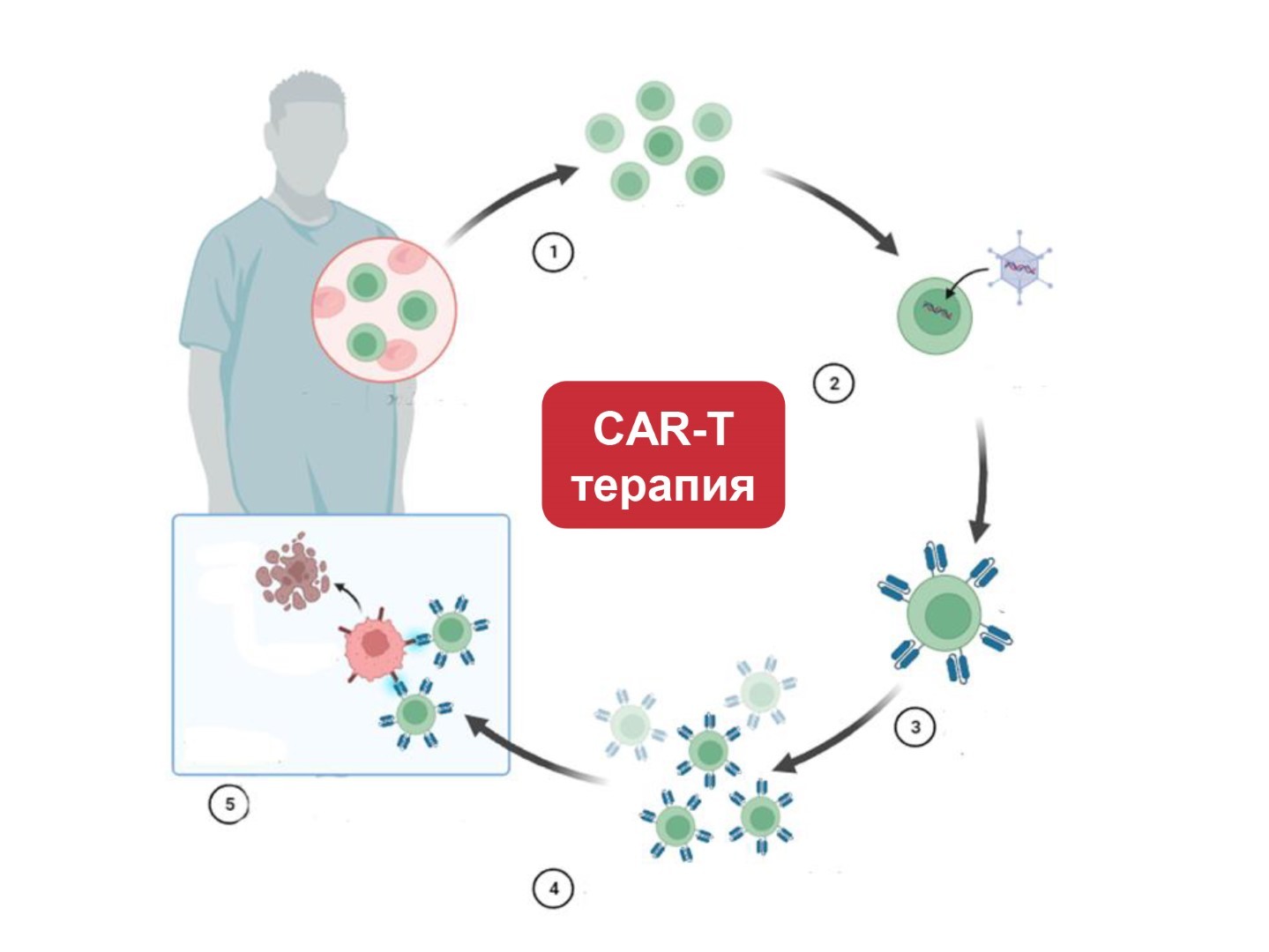
The trial, led by Dr. Tingbo Liang and Dr. Qi Zhang at The First Affiliated Hospital of Zhejiang University, evaluated 36 patients who had undergone a median of four prior lines of treatment. The therapy, now designated as AZD7003, utilizes a dominant-negative transforming growth factor-beta receptor II (dnTGFβRII) armoring platform. This mechanism is engineered to shield immune cells from the restrictive tumor microenvironment, allowing them to remain active against glypican-3 (GPC3) targets.
Clinical results showed an objective response rate of 44.4%, with a median overall survival of 14.2 months. While 32 of the 36 participants experienced tumor reduction, the study noted a manageable safety profile, with only two instances of grade 3 cytokine release syndrome. Following a series of development agreements, AstraZeneca has assumed sole responsibility for the global commercialization of the therapy. AbelZeta Pharma, which co-developed the initial candidate, maintains that the data represent a significant milestone for cell-based treatments in solid tumor oncology.



Comments (0)
No comments yet. Be the first!