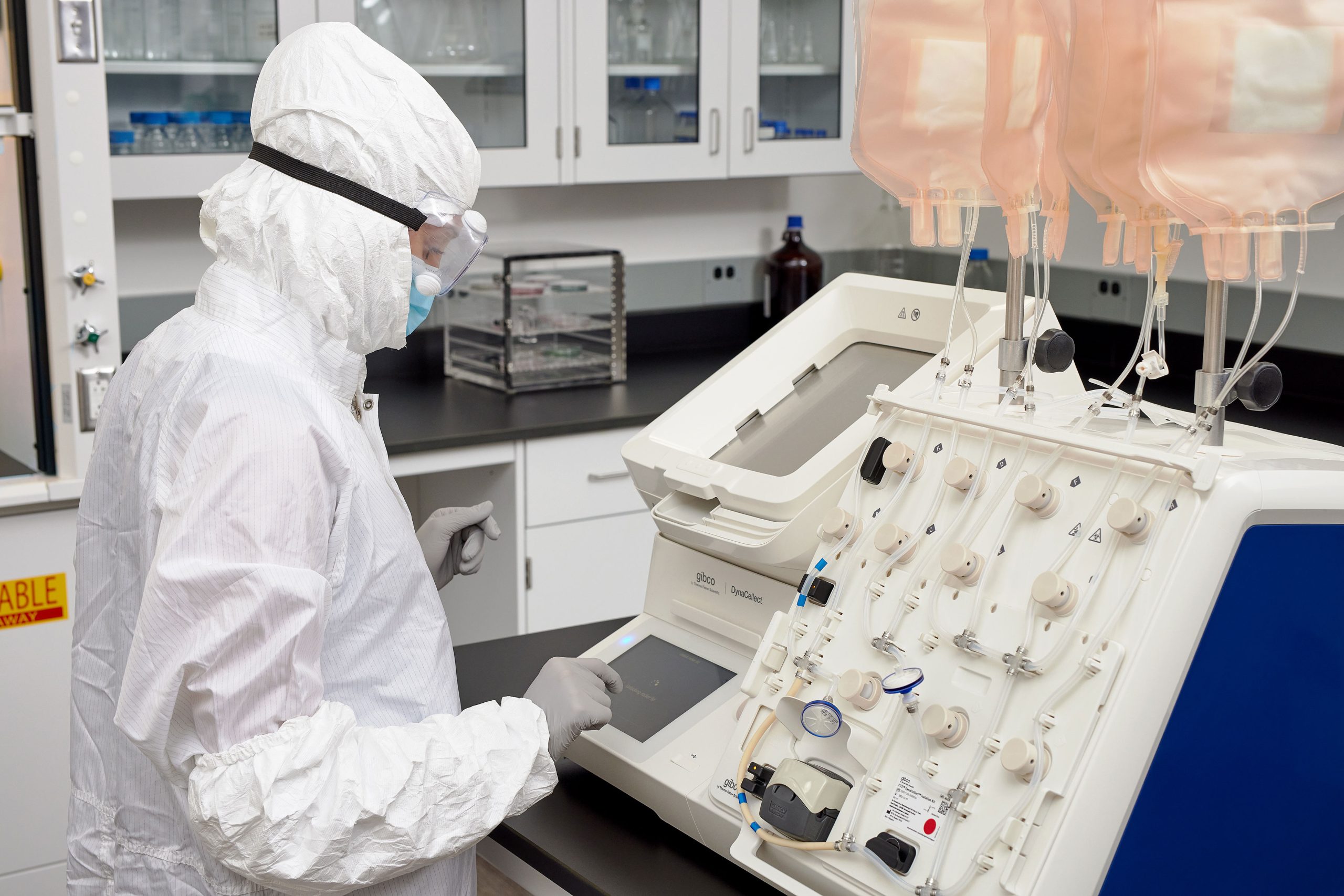
The surge in market value reflects a broader transition within the biopharmaceutical industry as personalized therapies move toward widespread adoption. Commercial-scale manufacturing currently accounts for 58% of global demand, underscoring the industry's focus on building validated Good Manufacturing Practice (GMP) facilities. These sites are essential for maintaining the stringent quality controls required for patient-specific treatments like CAR-T cell therapies.
Technological advancement remains a primary catalyst for this expansion. Viral vector production holds a 32% market share, serving as a cornerstone for gene-modified therapies. To meet rising demand, manufacturers are increasingly integrating automated closed-processing systems and digital quality analytics. Anurag Sharma, a principal consultant at Future Market Insights, noted that the industry is currently facing a control challenge that precedes capacity needs, forcing developers to prioritize batch identity and rapid product release capabilities.
While the United States maintains its position as the largest market, emerging regions are showing significant momentum. India and Japan are expected to lead in growth, with projected CAGRs of 17.2% and 16.4% respectively. Companies such as Lonza Group, Thermo Fisher Scientific, and Danaher Corporation are currently competing to capture this market share by scaling production infrastructure and refining regulatory compliance to support the next generation of biologics.



Comments (0)
No comments yet. Be the first!