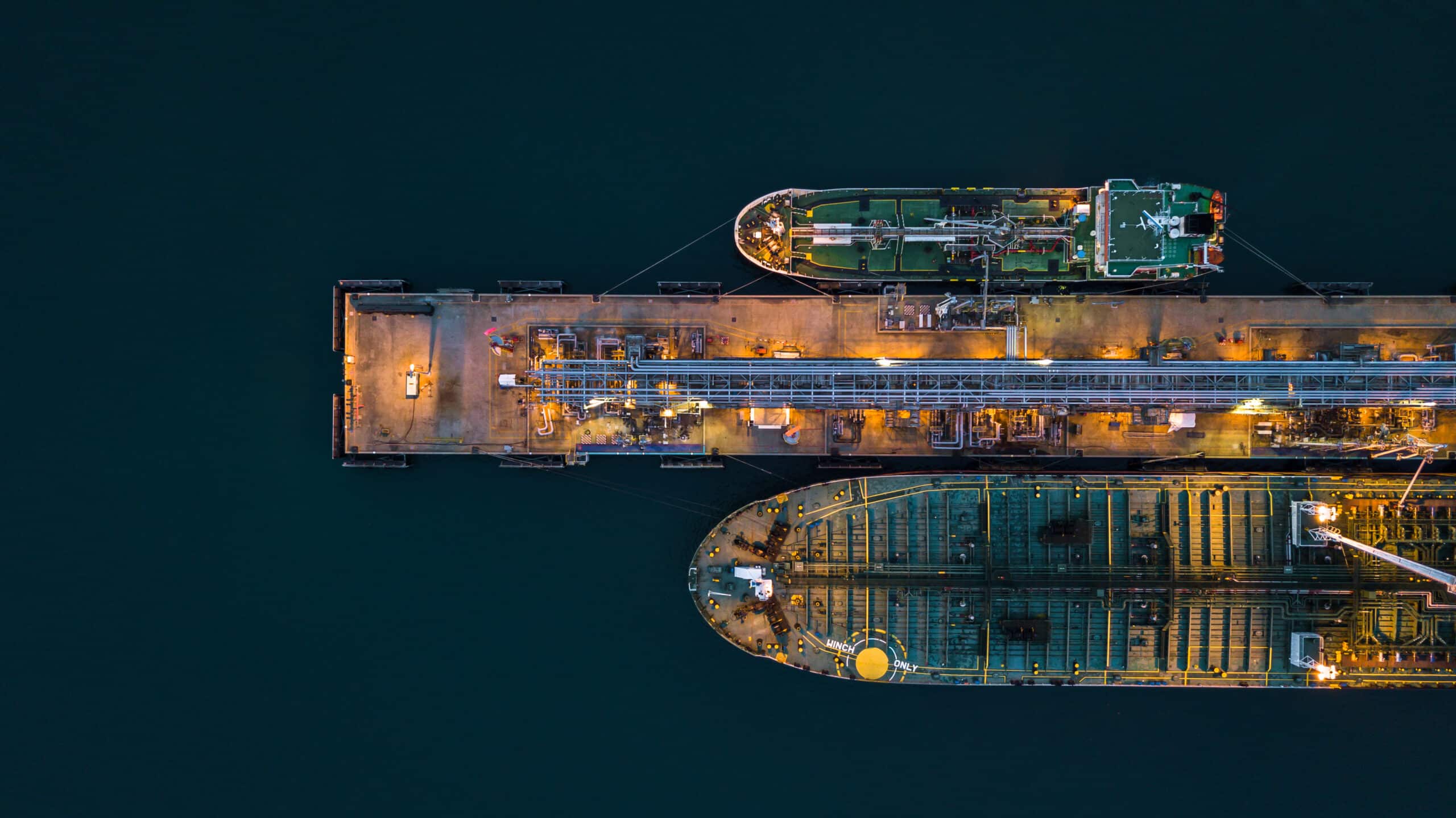
The diverted fleet, consisting of six empty supertankers, altered course in the Arabian Sea to head south toward refueling hubs in Gibraltar, Durban, and Algoa Bay. This change adds a minimum of two weeks to the journey, a significant operational burden compared to the standard route through the Suez Canal. Vessel-tracking data confirms this unusual deployment, highlighting the instability currently plaguing one of the world's most critical maritime chokepoints.
Saudi Arabia is simultaneously reconfiguring its export logistics by directing at least eight empty very large crude carriers to the Egyptian port of Sidi Kerir. By utilizing the SUMED pipeline, the kingdom intends to bypass the southern Red Sea entirely. This strategy relies on shuttling crude from Yanbu to Ain Sukhna before pumping it overland to the Mediterranean coast, effectively insulating the cargo from Houthi interference. As attacks persist, global operators are increasingly viewing the longer, safer route around the Cape of Good Hope as the necessary cost of doing business in a volatile region.




Comments (0)
No comments yet. Be the first!