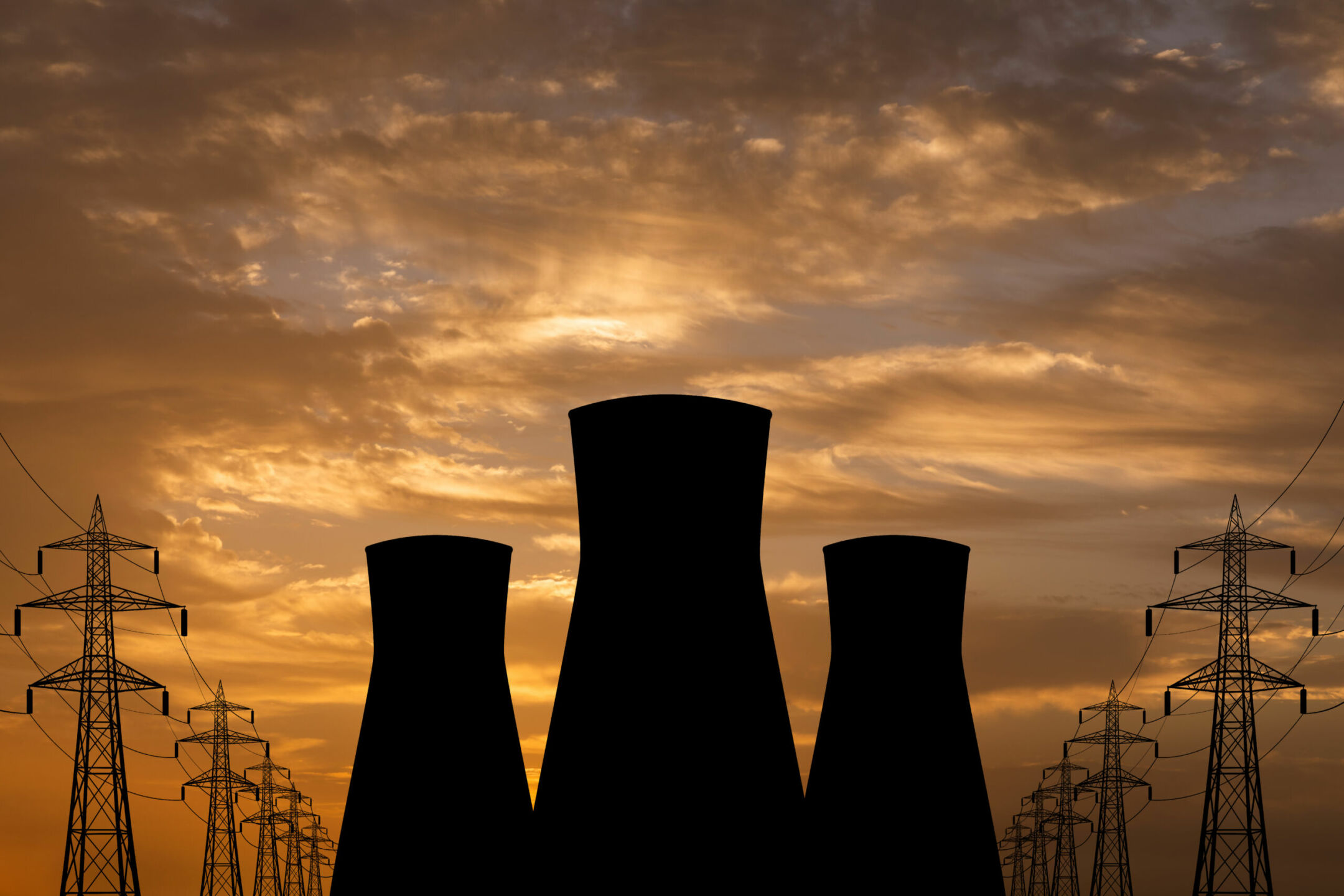
Data center hyperscalers face unprecedented power requirements, viewing nuclear energy as the only viable source of round-the-clock, zero-emissions electricity. This shift has attracted major capital from high-profile figures like Bill Gates and Sam Altman, who advocate for fusion as a critical solution to the AI power crunch. The Trump administration has mirrored this enthusiasm, issuing Executive Order 14301 in May 2025 to fast-track the commercialization of advanced reactors through the Department of Energy’s Reactor Pilot Program.
While traditional plants like Georgia’s Plant Vogtle were plagued by multi-billion dollar cost overruns and years of delays, the industry is pivoting toward small modular reactors (SMRs). These systems are designed for offsite construction, theoretically bypassing the red tape and prohibitive costs of legacy infrastructure. However, the path to market remains fraught with regulatory hurdles. The U.S. Nuclear Regulatory Commission previously required six years to approve a single design from NuScale, a timeline President Trump now aims to compress to 18 months.
Rapid privatization and an influx of venture capital have sparked concerns regarding industry oversight. Critics point to a growing disregard for established voluntary safety guidelines among new market entrants. Furthermore, some analysts argue that prioritizing speculative, unproven technologies diverts necessary investment from large-scale reactors that could provide more immediate, reliable additions to the national power grid.




Comments (0)
No comments yet. Be the first!