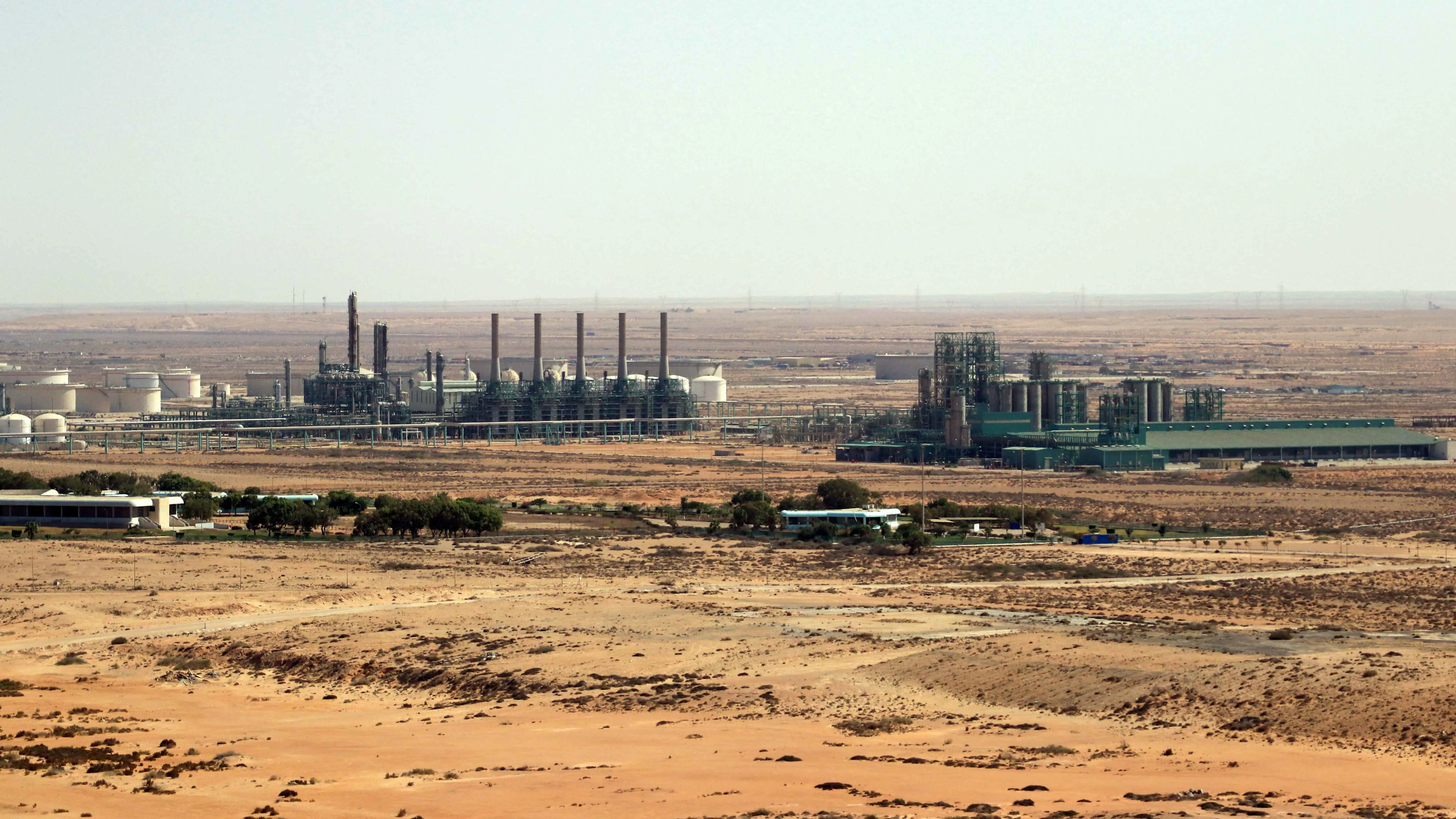
The current equilibrium relies on a simple, lucrative arrangement: Haftar’s family dominates the east and key oil infrastructure, while Dbeibah’s GNU maintains the western state apparatus. Both sides have systematically avoided national elections to preserve their grip on oil revenues and government contracts. This stalemate, however, is now being tested by a U.S.-led initiative aiming to formalize the split. Washington’s proposal seeks to install Saddam Haftar into a new presidential body while keeping Dbeibah in power, effectively turning a de facto division into a state-sanctioned dynasty.
This architecture prioritizes the interests of ruling families over democratic transition. By pushing for a unified budget and expanded U.S. oil sector presence, the deal assumes the citizenry will remain a passive observer of its own disenfranchisement. Yet, the assumption that Libya’s internal stability can be bought through elite patronage ignores the growing pressure from citizens who have been excluded from the political process for nearly a decade.




Comments (0)
No comments yet. Be the first!