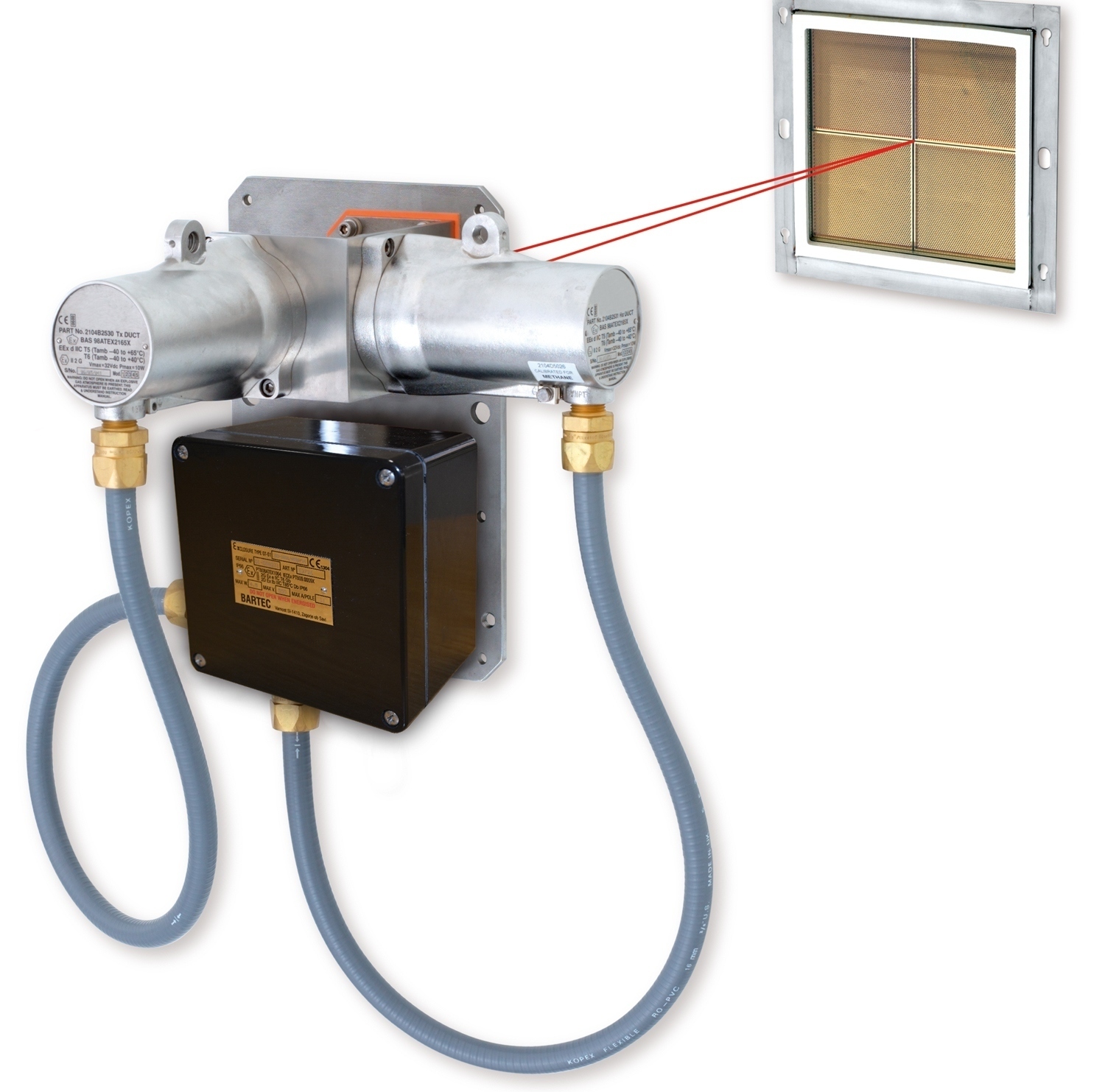
The drive toward industrial safety is reshaping the sector, particularly within high-risk environments like oil and gas, petrochemicals, and power generation. As organizations prioritize the protection of critical assets and personnel, demand is surging for intelligent detection systems that integrate seamlessly with automated emergency response frameworks. While the fire detection segment currently maintains the largest market share, driven by widespread adoption of flame and heat sensing technologies, the fixed gas detection segment is expected to see the most rapid acceleration, with a projected CAGR of 8.5%.
Technological innovation is playing a central role in this shift, specifically regarding acoustic detection. By identifying ultrasonic sound waves from pressurized leaks, this technology allows for immediate hazard identification in open or ventilated environments, such as offshore platforms and LNG terminals. Despite these advancements, the industry faces persistent financial hurdles, including high initial installation costs and the ongoing necessity for rigorous calibration in brownfield facilities. Major players currently leading this transition include Honeywell, Siemens, MSA Safety, and Emerson, all of whom are navigating a landscape defined by stricter regulatory compliance and the expansion of hydrogen and carbon capture infrastructure.



Comments (0)
No comments yet. Be the first!