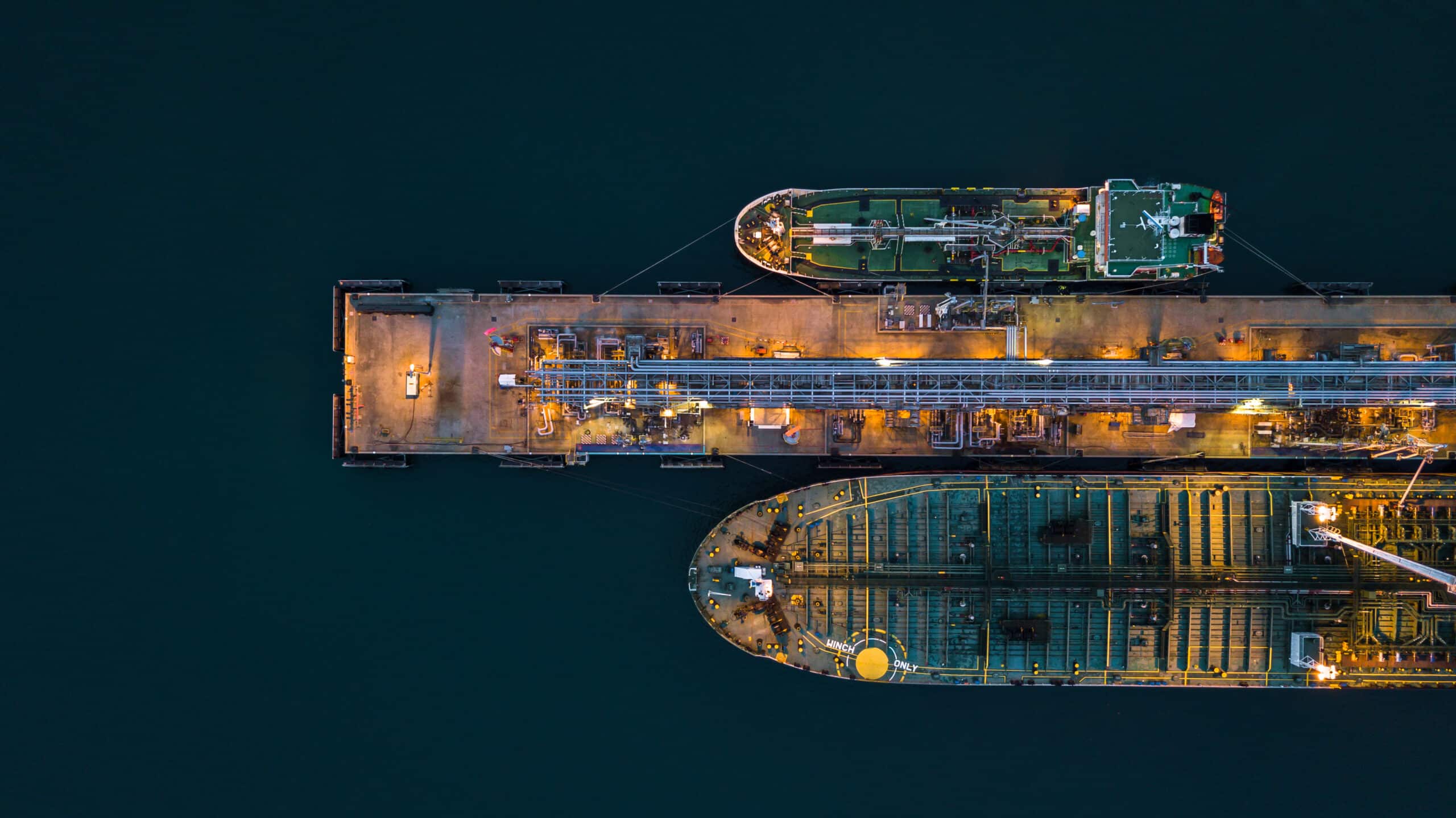
The conflict has shifted from initial goals of regime change and nuclear containment to a singular, desperate focus on reopening the Strait of Hormuz. Iran’s ability to strike targets with precision missiles and drones from deep inland renders traditional territorial control of the coastline ineffective. Even if U.S. forces secured the shoreline, they could not stop Iranian assets from crippling shipping lanes. This tactical reality is compounded by critical shortages in American high-tech munitions. Replenishing depleted anti-missile batteries and precision ordnance will require years, leaving U.S. bases in the Persian Gulf increasingly vulnerable.
President Trump faces a narrow set of unpalatable choices. Escalating offensive operations risks overwhelming remaining missile defenses, potentially triggering a retaliatory strike on energy infrastructure that would ignite a global economic depression. Conversely, a full military withdrawal would signal a humiliating defeat, emboldening rivals in the South China Sea and Taiwan while inviting domestic political backlash before the midterm elections. Maintaining the current embargo offers no escape, as the prolonged closure of the strait guarantees the same economic catastrophe. Like the trapped monkey, the administration remains paralyzed by the refusal to release its grip on a objective that has become the primary instrument of its own undoing.




Comments (0)
No comments yet. Be the first!