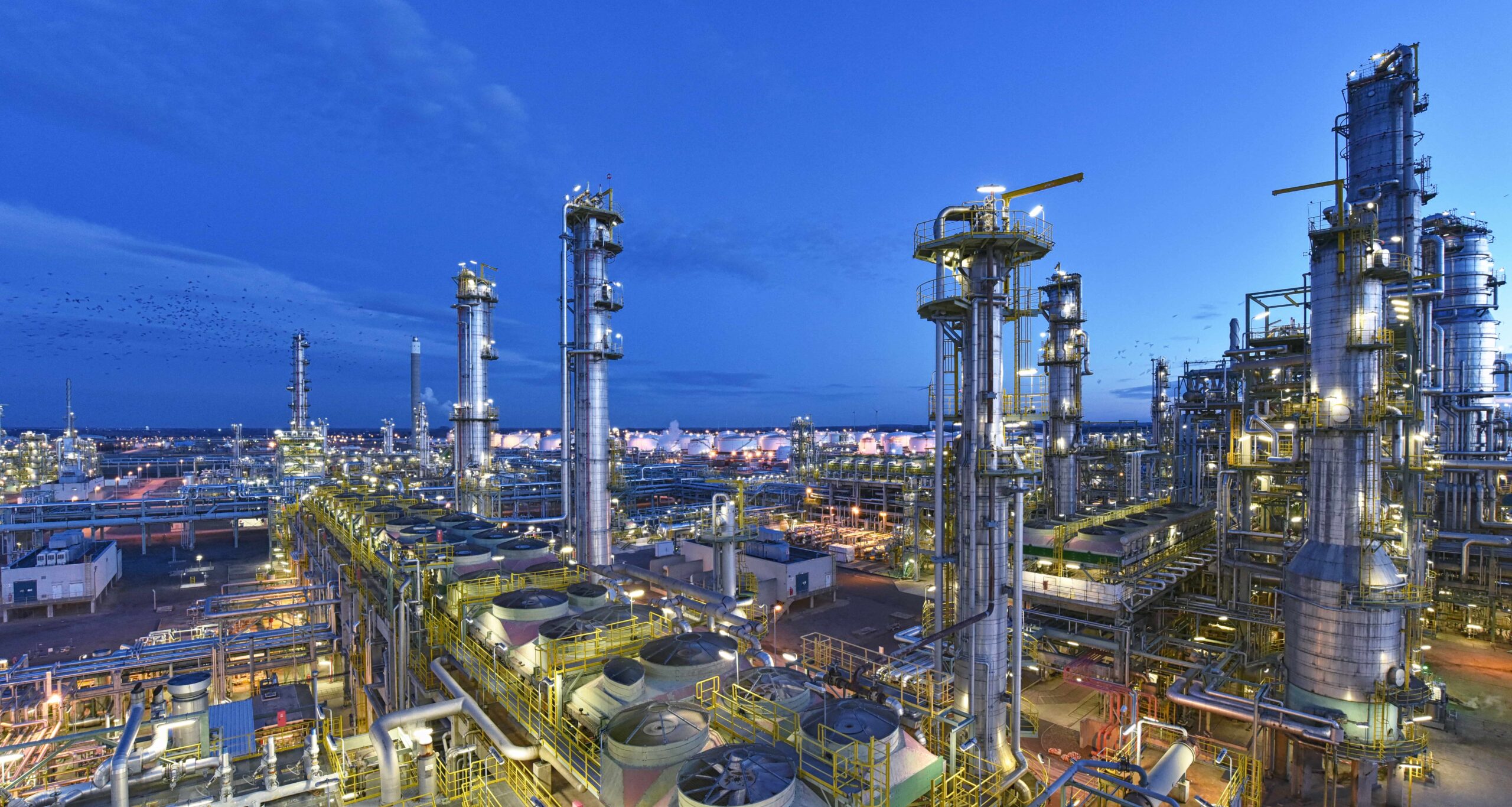
Industry growth is anchored by the adoption of specialty chemicals across home care, personal care, and agricultural sectors. Anionic surfactants currently maintain the largest market share at 42.1 percent, while the agrochemicals segment is positioned to record the highest growth rate at 6.27 percent as precision farming practices increase the need for advanced adjuvants. Non-ionic variants follow in market reach, valued for their ability to improve the efficacy of herbicides and fungicides.
Geographically, the Asia Pacific region remains the dominant force, controlling nearly 40 percent of the market value as of 2025. North America holds the second-largest position, where sustainability mandates are pushing manufacturers to replace traditional ingredients with renewable, vegetable-derived raw materials. Major industry players including BASF SE, Dow Inc., and Evonik Industries AG continue to scale their portfolios to meet these evolving environmental and performance standards. As industrial manufacturing output rises globally, the reliance on these chemical agents for wetting, dispersing, and emulsifying remains a primary driver for long-term valuation gains.




Comments (0)
No comments yet. Be the first!