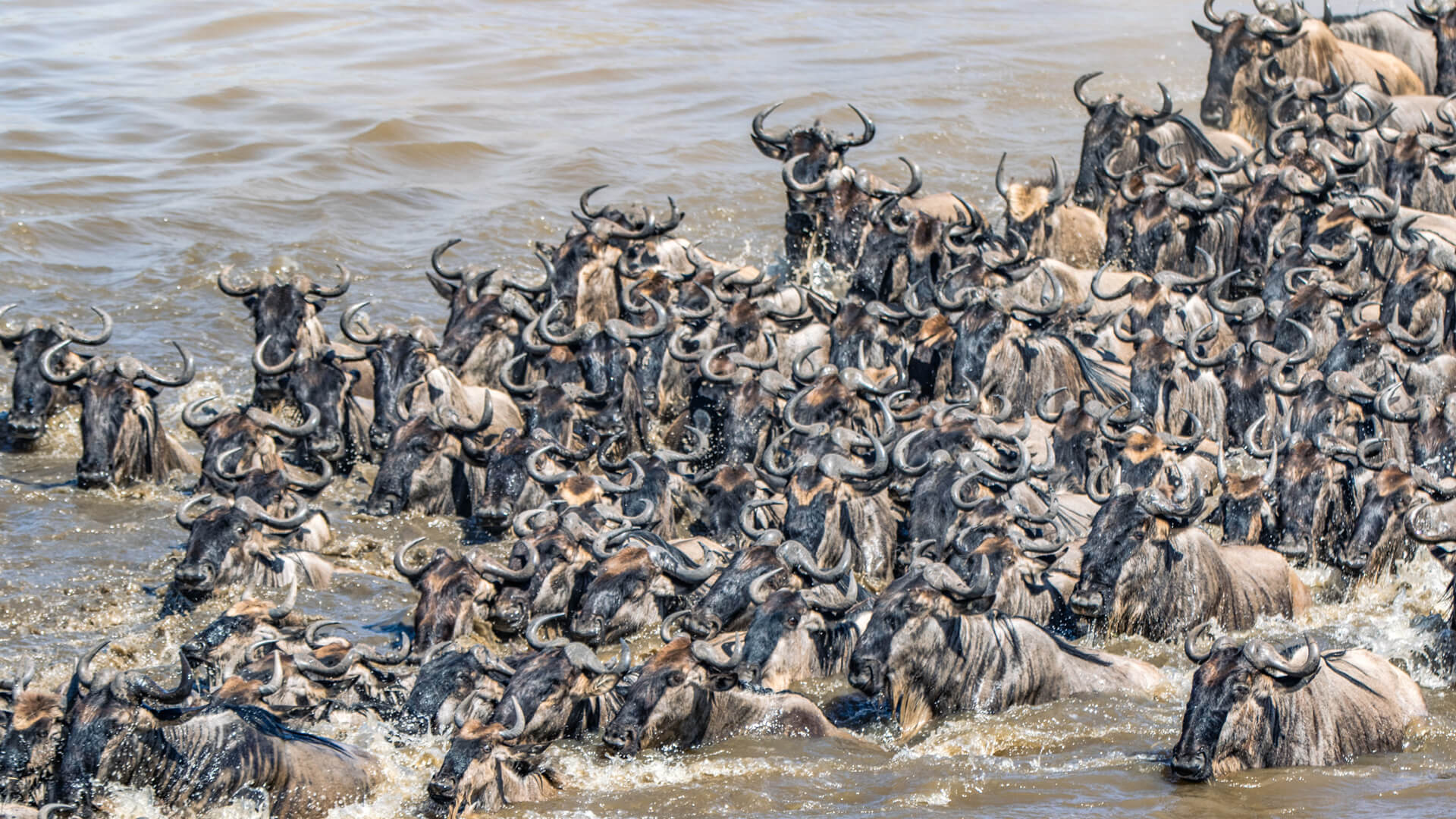
South Africa currently leads the market, capturing 36.5% of safari bookings with an average trip cost of $25,198. While destinations like Tanzania and Kenya remain popular for witnessing the Great Migration, they carry State Department advisory levels of three or higher, signaling significant risks. Uganda stands out as particularly volatile; despite its lower average cost of $18,479, it carries a Level 4 advisory, the highest possible warning to avoid all travel.
Financial protection has become a critical, yet often overlooked, component of these trips. Squaremouth reports that fewer than 25% of travelers secure 'Cancel For Any Reason' or 'Interruption For Any Reason' policies. Given that standard coverage rarely accounts for civil unrest or health-related fears, this oversight leaves a vast majority of tourists exposed to total financial loss. Chrissy Valdez, Senior Director of Operations at Squaremouth, notes that travelers frequently rely on optimism rather than adequate insurance, risking tens of thousands of dollars if plans shift.
Beyond financial security, the logistical reality of remote terrain dictates specific insurance needs. Experts recommend securing at least $250,000 in medical evacuation coverage. In the event of an emergency, basic travel insurance often falls short, leaving tourists without the necessary resources to reach adequate care from the depths of the Serengeti or the Masai Mara.



Comments (0)
No comments yet. Be the first!