The escalation has effectively choked the Hormuz corridor, where insurance premiums have spiked to 60 times their prewar levels. Lloyd’s List reports that these rising costs are adding an immediate premium of $7 to $8 per barrel, complicating global supply chains. While the U.S. maintains a hardline stance, refusing diplomatic engagement until attacks on shipping cease, the human and economic toll continues to mount. A recent strike on a wedding in southern Iran, which killed five civilians, has drawn international scrutiny, further complicating the administration's military objectives.
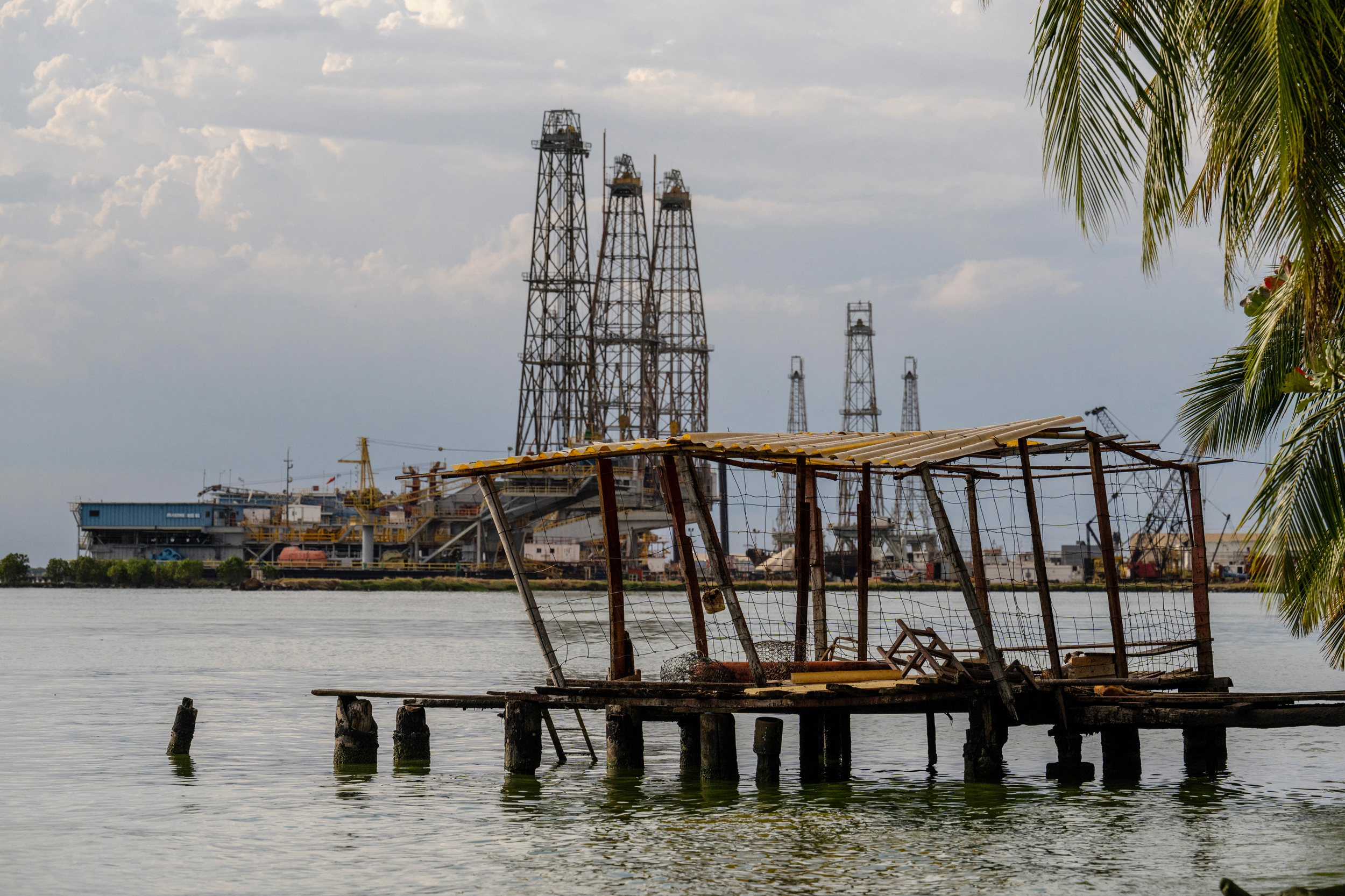
Against this volatile backdrop, Chevron is committing $7 billion over the next five years to overhaul and expand its Venezuelan operations. The strategy aims to increase output to 600,000 barrels per day, signaling a calculated reliance on the permanence of current U.S. policy toward the country’s energy sector. This shift is mirrored by North American Blue Energy Partners, which recently secured majority control of key local assets, underscoring a broader industry pivot away from the increasingly dangerous Middle Eastern transit routes.



Comments (0)
No comments yet. Be the first!