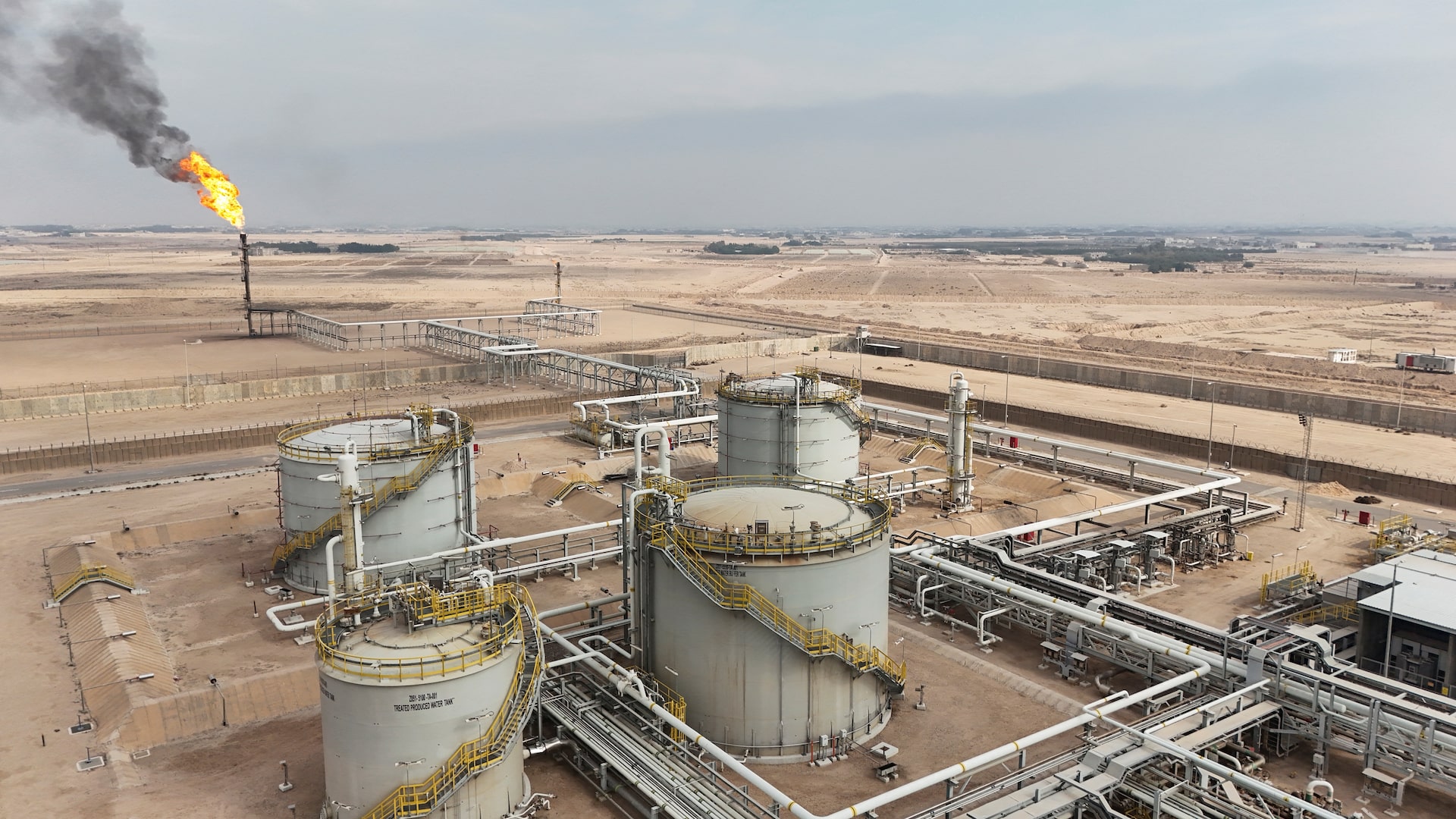
Iraq’s historical production figures—averaging 2.38 million barrels per day between 1973 and 2026—pale in comparison to the 8.29 million average maintained by Saudi Arabia. However, the potential for expansion remains significant, supported by vast, under-tapped reserves. Official EIA estimates place Iraq’s proved reserves at 145 billion barrels, though internal ministry data and independent studies suggest undiscovered resources could push that figure closer to 246 billion barrels. These volumes align with the 2013 Integrated National Energy Strategy, which once modeled capacity scenarios as high as 13 million barrels per day.
Two critical shifts are now bolstering these projections. First, the Baghdad government is showing renewed urgency in addressing the systemic corruption that previously drove away the Western firms essential for large-scale infrastructure development. As diplomatic pressure from Washington mounts, the return of experienced international oil companies is providing the technological expertise required to optimize well recovery rates. Second, the ratification of TotalEnergies’ $27-billion mega-project serves as a cornerstone for this growth. By capturing associated gas for domestic power, Iraq can divert more crude to export markets, while the Common Seawater Supply Project addresses the long-standing need for pressure maintenance in the country’s largest fields.
Calculations based on peak plateau targets for super-giant fields like Rumaila, West Qurna, and Majnoon suggest a technical capacity of 11.5 million barrels per day. This estimate excludes smaller fields and those in the Kurdistan region, reinforcing the possibility that if Iraq maintains its current trajectory, it could fundamentally reshape the regional energy hierarchy.




Comments (0)
No comments yet. Be the first!