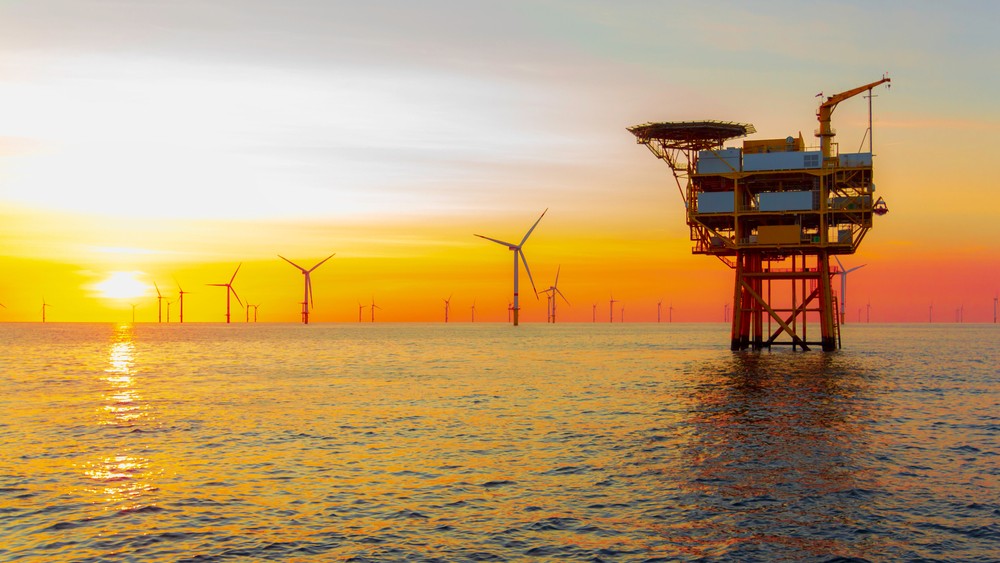
National Energy System Operator data shows total clean energy generation reached 127 terawatt-hours last year, accounting for 44 percent of the country's electricity mix. Offshore wind alone contributed 52 TWh, a milestone that underscores the sector's growth. RenewableUK CEO Tara Singh noted that recent auctions confirm onshore wind costs are half those of new gas plants, with offshore projects proving 40 percent more economical. This shift has gained momentum in early 2026, with wind output rising 31 percent in the first quarter compared to the previous year.
The policy landscape has shifted significantly since 2024, when the government lifted a long-standing de facto ban on onshore wind in England. Developers have since submitted 45 applications for new farms, pushing the total onshore pipeline to over 50 GW. Scotland currently leads the sector, holding 75 percent of the national portfolio, while England’s share sits at 8 percent. Looking toward the next decade, the U.K. is coordinating with nine European nations to convert the North Sea into a massive clean energy hub. This initiative aims to deploy 100 GW of offshore capacity, potentially powering 143 million homes via a shared high-voltage subsea grid. With 40,000 workers already employed in offshore wind, the industry projects that workforce numbers could more than double by 2030, further insulating the British economy from the geopolitical instability currently roiling global fossil fuel markets.




Comments (0)
No comments yet. Be the first!