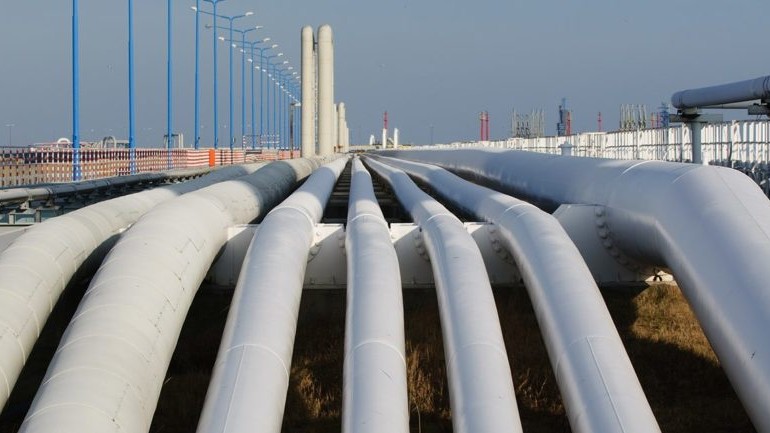
The pattern of energy insecurity has become a recurring cycle of crises, from the weaponization of Russian pipeline gas to the sabotage of subsea infrastructure. Each disruption is framed as an anomaly, yet the structural reality remains: global economies rely on the continuous, volatile movement of combustible fuels across unstable borders. As transit routes become targets, the cost of insurance, shipping, and security creates a permanent transfer of leverage from consuming nations to whoever controls the narrow waterways.
Strategic reserves and alternative supply chains offer temporary relief but fail to address the core vulnerability. While the IEA describes recent conflicts as the largest oil-supply disruption in market history, the true failure lies in the continued reliance on a model that requires daily deliveries of fuel. The transition to renewables, including wind, solar, and heat pumps, is not merely an environmental imperative but a necessary shift toward strategic autonomy. Unlike oil, which must be constantly replenished, electrified infrastructure embeds energy security into the hardware itself. Europe’s path forward requires a dual approach: accelerating domestic renewable deployment and securing the supply chains for critical minerals to avoid merely swapping one form of import dependency for another, such as an over-reliance on Chinese manufacturing. True energy independence will not arrive through better route management, but by reducing the necessity of these volatile transit points altogether.



Comments (0)
No comments yet. Be the first!