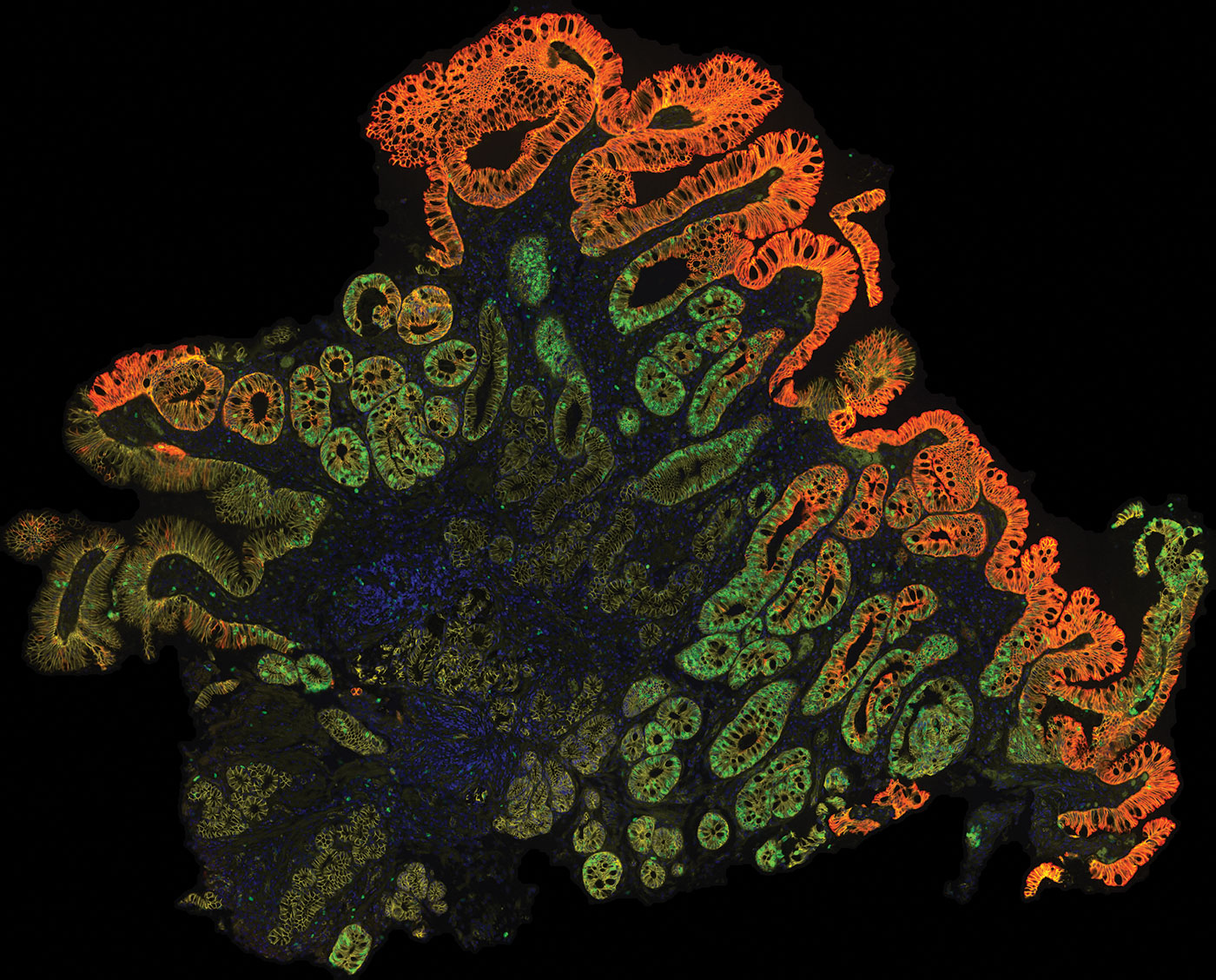
Standard clinical protocols often struggle to distinguish between patients with non-dysplastic Barrett's esophagus who will progress to cancer and the majority who will not. Researchers from Amsterdam University Medical Centers, alongside collaborators from five major institutions, utilized a clinical decision-tree model to analyze data from 699 patients. The findings indicate that integrating the TissueCypher test into routine practice could raise the percentage of patients receiving appropriate management from 59.8% to 75.3%.
The most significant impact was observed in patients with non-dysplastic Barrett's esophagus who eventually progressed to high-grade dysplasia or esophageal adenocarcinoma. For this specific group, the use of the test nearly doubled the rate of appropriate escalation to short-interval surveillance or endoscopic eradication therapy, moving from 30.4% to 56.9%. Conversely, the model showed a 41.7% reduction in overtreatment among non-progressors, addressing a long-standing challenge in gastroenterology where surveillance endoscopies are frequently over-utilized.
"The central challenge is that standard histology and clinical factors alone do not reliably distinguish the patients who are likely to progress," said co-first author Lucas C. Duits. By identifying molecular signatures that precede dysplasia, the test provides a precision-medicine alternative to traditional assessment, allowing clinicians to tailor surveillance intervals more effectively across various stages of the condition.


Comments (0)
No comments yet. Be the first!