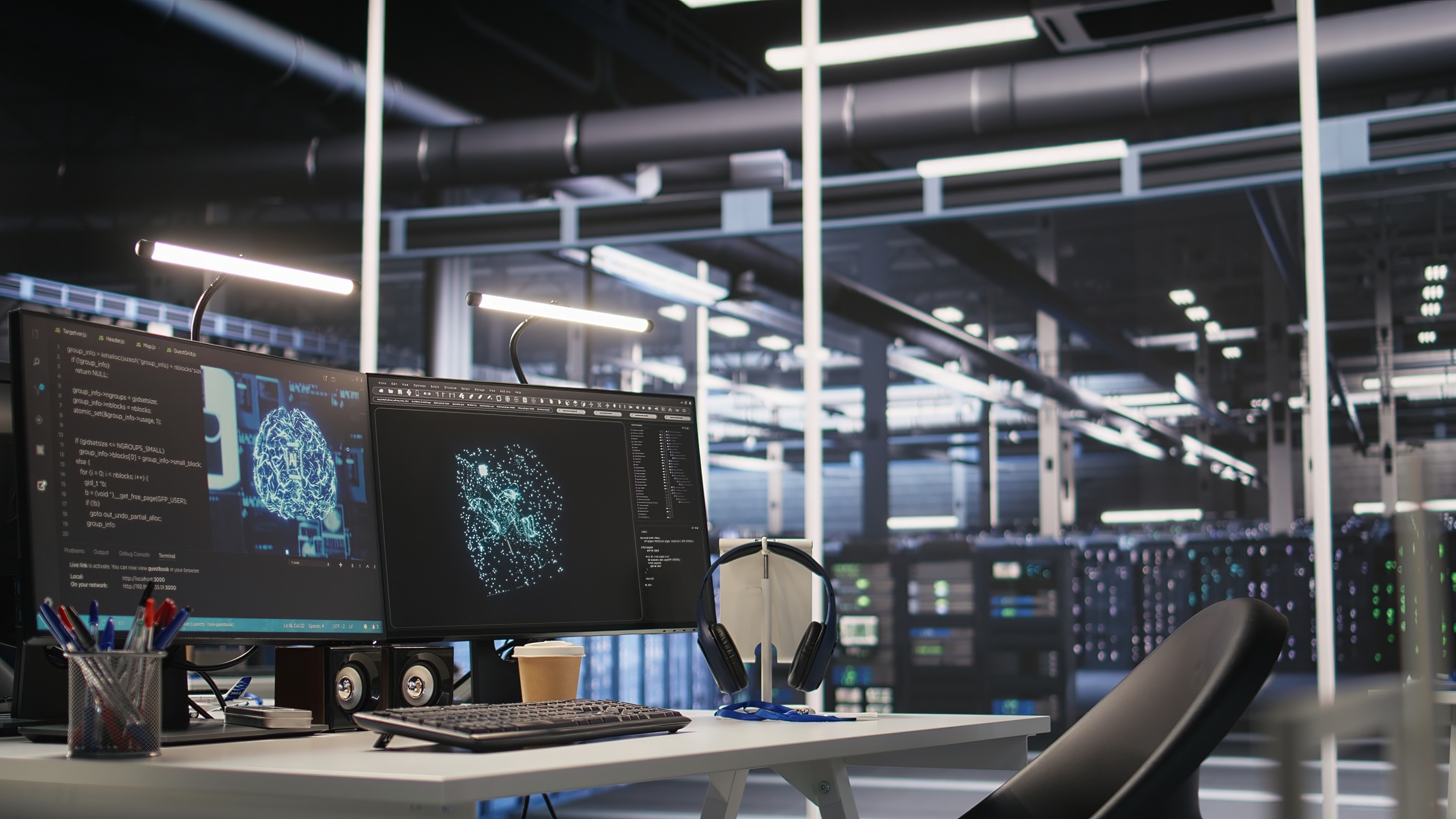
The Federal Energy Regulatory Commission’s July 16 order reflects the rapid escalation of power demand, with U.S. data center loads expected to climb from 80 gigawatts to 150 gigawatts by 2028. Gartner projects that power shortages will constrain 40 percent of existing AI facilities within three years. Tom Eyford, a specialist at Oracle, warns that these centers function like massive, unstable power plants in reverse; they pull hundreds of megawatts instantly and risk destabilizing the system if they drop off the grid unexpectedly. Experts argue that utilities must pivot from viewing these campuses as passive customers to treating them as active grid participants.
Simultaneously, the threat of wildfire-related liability is reshaping utility operations. While California pursues "fast pay" legislation to settle claims, other states like South Dakota have moved to restrict strict liability suits. These legal battles have reached a scale that threatens the existence of some providers. To combat these twin pressures, utilities are turning to deep learning models that integrate vegetation LiDAR data and historical outage patterns. Arun Nimmala of Oracle notes that such frameworks have already demonstrated a 35 percent reduction in load shedding during extreme weather. The technology to manage these risks exists, but the industry faces a race against time to implement these tools before the combined strain of industrial growth and climate-driven volatility outpaces the current infrastructure.


Comments (0)
No comments yet. Be the first!